
Last updated November 16, 2026
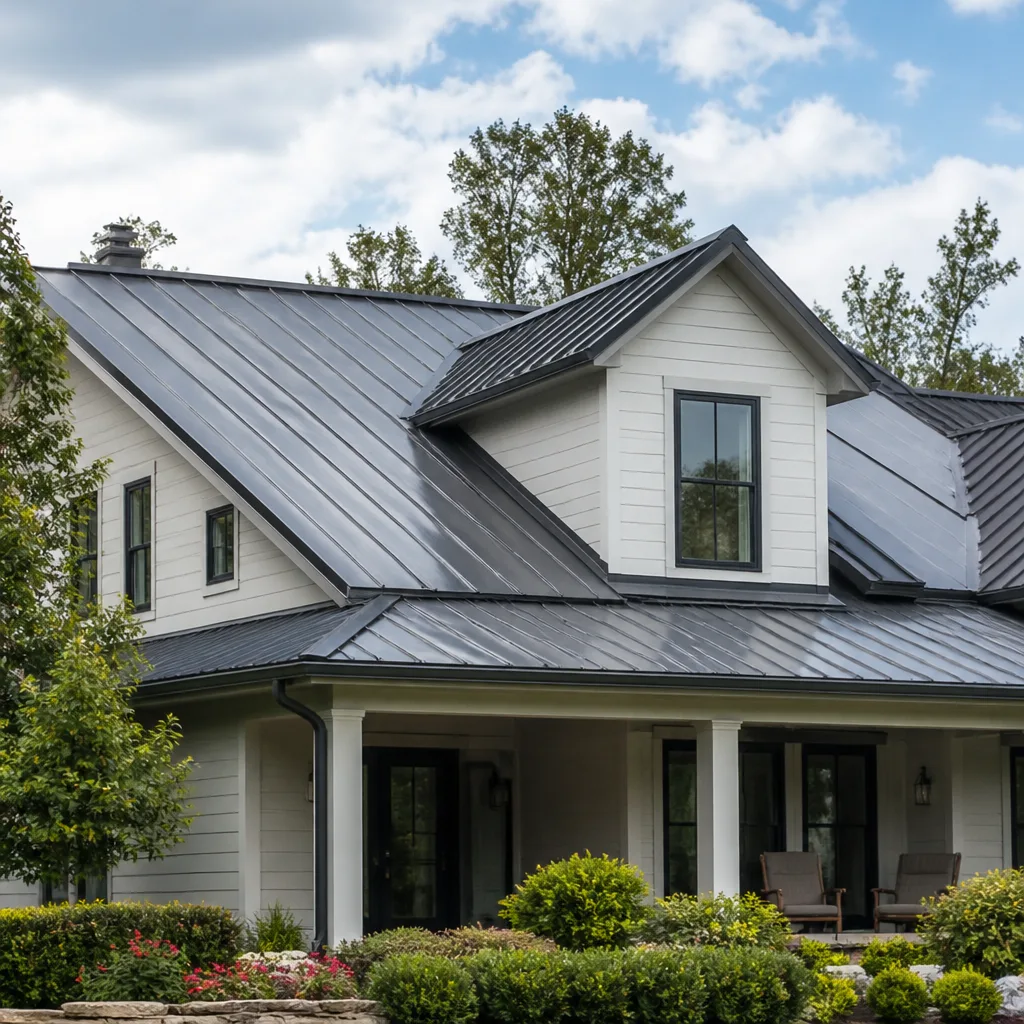 Metal roofing
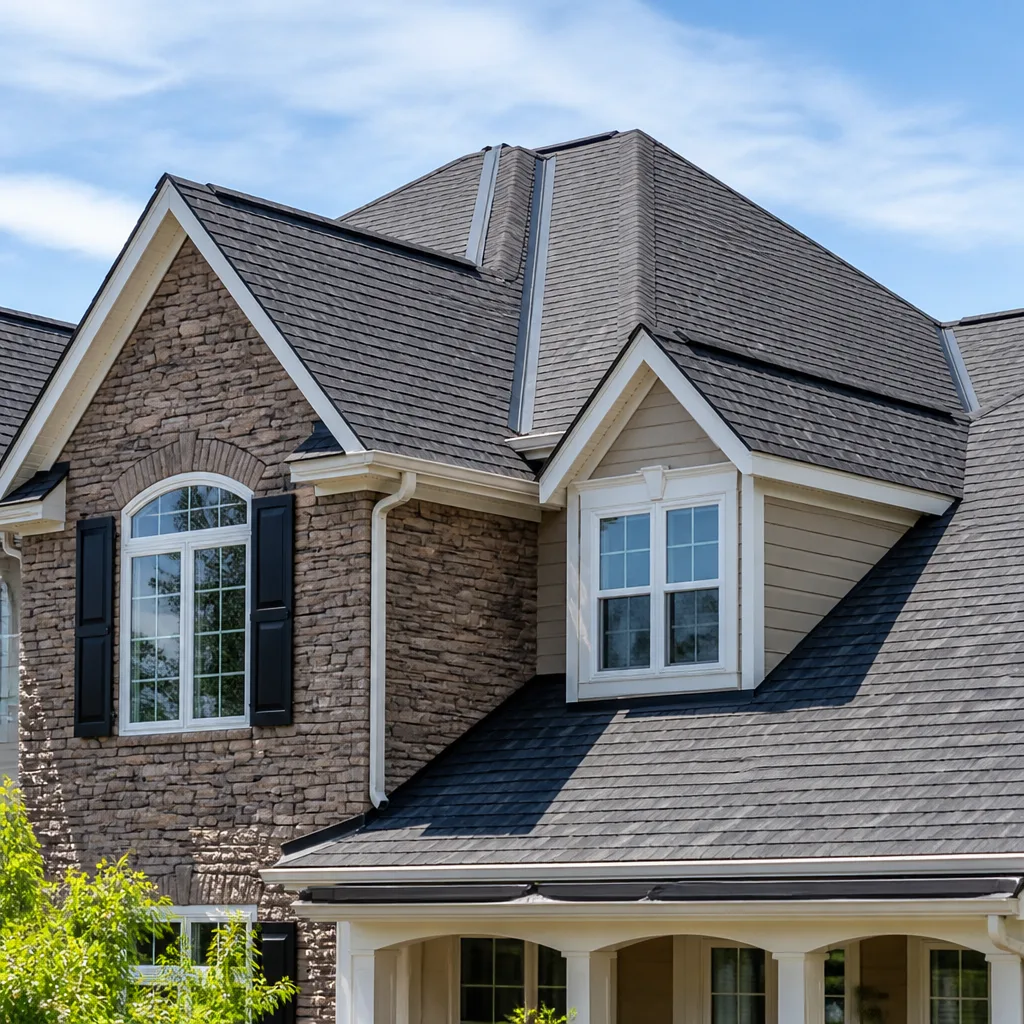 Architectural shingles
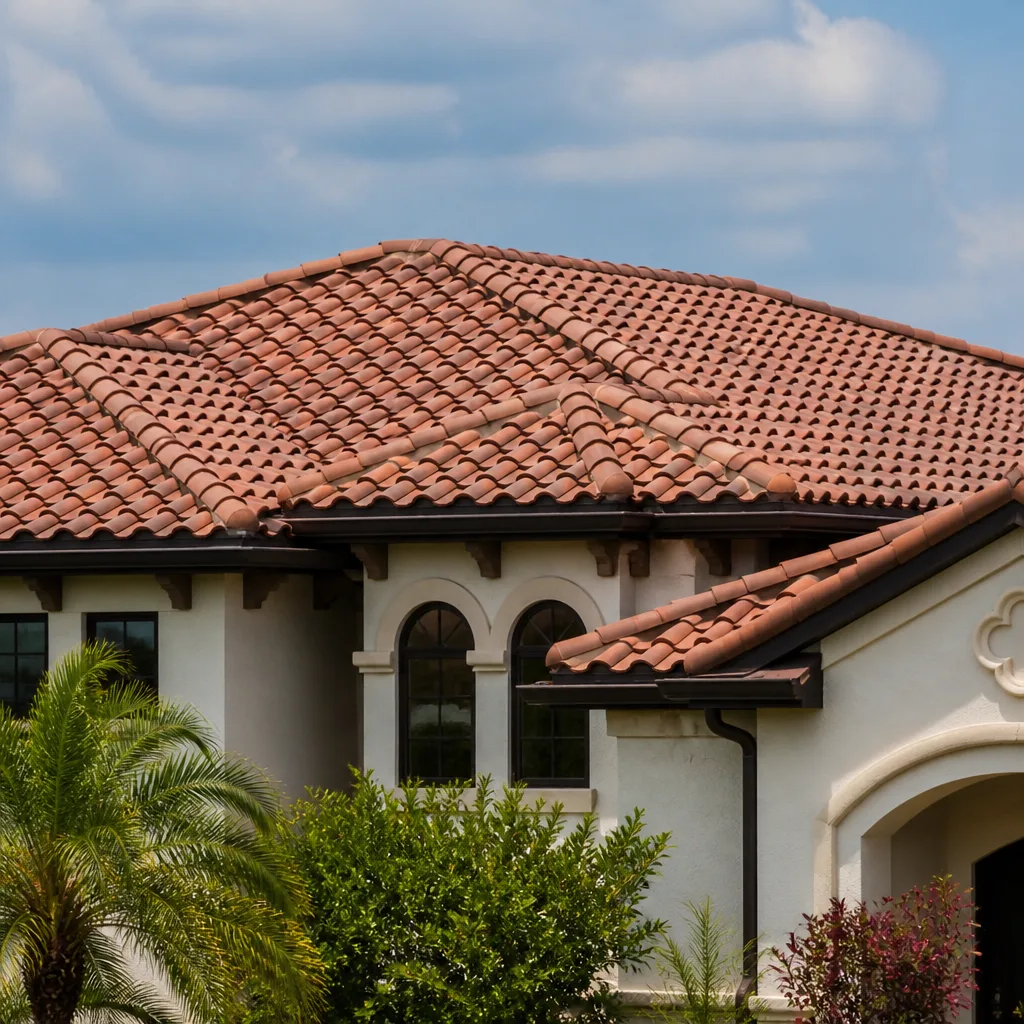 Tile roofing
 GAF
 Owens Corning
 Flat & low-slope
Free roof inspection with deck photos before we talk money - GAF and Owens Corning certified installation
Roofing Permits, Codes & Inspections in Ventura, CA: What You Need to Know
If your Ventura home sits in a High Fire Hazard Severity Zone, and a significant portion of the city does, the roofing material your neighbor just installed may not be code-legal for your lot. That single fact surprises more homeowners than any other part of the roofing process. Most people think a permit is paperwork you deal with after the crew leaves. In Ventura, it’s the opposite: the permit and the code behind it decide which materials you’re even allowed to put on your roof. This guide walks through how the City of Ventura permitting process actually works, what inspectors check at each stage, how Title 24 cool-roof rules interact with HOA design standards, and what happens down the road when roofing work was done without a permit.
Quick Answer
In Ventura, most roof replacements and any structural roof work require a building permit from the City of Ventura, and the permit application triggers fire-rating requirements based on your parcel’s Fire Hazard Severity Zone designation plus Title 24 cool-roof compliance. Like-for-like shingle swaps are sometimes exempt, but only under narrow conditions, and assuming you’re exempt is the most common permitting mistake we see. A permitted job includes plan review and inspections at key stages, and the final signed-off permit protects you at resale, on insurance claims, and during a lender appraisal.
Styles & brands we work with
- Architectural shingles
- Metal roofing
- Tile roofing
- GAF
- Owens Corning
- Flat & low-slope
Table of Contents
- What Triggers a Roofing Permit in Ventura?
- How to Look Up Your Fire Hazard Severity Zone
- What Class A Fire Ratings Mean for Material Choice
- Title 24 Cool-Roof Rules and HOA Conflicts
- What Ventura Inspectors Check at Each Stage
- Unpermitted Roofing: Resale, Insurance, and Appraisal Problems
- How Long the Permitting Process Takes
- Common Mistakes to Avoid
What Triggers a Roofing Permit in Ventura?
A full roof replacement in Ventura requires a building permit in nearly every case. So does any work that changes the roof structure, adds or enlarges a skylight, alters ventilation, or replaces sheathing beyond minor patching. The permit exists so the city can confirm the roof assembly meets current fire, energy, and structural standards for your specific address, not the standards that were in place when your house was built.
The confusion usually starts with repairs. A small repair, say replacing a handful of damaged shingles or resealing a flashing detail, generally doesn’t need a permit. The line between “repair” and “re-roof” is where homeowners get caught. As a rule of thumb:
- Repair only: isolated shingle replacement, flashing repair, patching around a vent or chimney. Usually no permit.
- Partial re-roof: replacing an entire slope or a large section. Often permits, depending on scope. Ask before assuming.
- Full replacement: tear-off and re-cover of the whole roof. Permits, every time.
- Structural change: new framing, roof deck changes, skylight additions. Permits plus plan review.
Ventura’s housing stock matters here. Much of the city’s residential inventory is older, which means roofs have often been layered over in the past. A tear-off that reveals two or three old layers is a different permit scope than a single-layer replacement, and the inspector will want to see the deck once it’s exposed. This is one reason we always recommend a roof repair assessment before anyone commits to a full replacement. Sometimes what looks like a replacement candidate is a repair with a few years of life left in it, and that changes the permit conversation entirely.
If you’re unsure whether your project crosses the line, call the City of Ventura’s building department and describe the scope in plain terms. They’ll tell you whether a permit is required. It takes one phone call and it saves a lot of expensive guesswork later.
How to Look Up Your Fire Hazard Severity Zone
Your parcel’s Fire Hazard Severity Zone designation is the single most important piece of information for planning a Ventura roof. The California Department of Forestry and Fire Protection (CAL FIRE) maps these zones, and they’re classified as Moderate, High, or Very High. A significant portion of Ventura falls into High or Very High territory, particularly the hillside neighborhoods and areas closer to open land. If your roof project is in one of those zones, your material options narrow.
Here’s how to find your designation in about five minutes:
- Go to CAL FIRE’s Fire Hazard Severity Zone viewer online.
- Enter your Ventura street address or parcel number.
- Note the zone classification shown for your parcel. If it says Moderate, High, or Very High, you’re in a designated zone.
- Take a screenshot or print the result. You’ll want it when you talk to contractors and when the permit application is prepared.
- If the map is ambiguous at your address, call the City of Ventura’s building department and confirm before ordering materials.
What the zone designation does is set the minimum fire-resistance class your roof covering must meet. In High and Very High zones, the requirement is typically a Class A roof assembly. In Moderate zones, the requirement can be less strict, but many homeowners choose Class A anyway because the material cost difference is often small relative to the whole project.
This is where a lot of DIY research goes sideways. People search for “best shingle for Ventura” and end up comparing products that aren’t rated for their zone. The order matters: zone first, then material class, then brand and style. We work with GAF, CertainTeed, Owens Corning, and Boral products across the full range of fire ratings, so we can match the assembly to your parcel rather than pushing whatever’s in stock. Our technicians have up to experience reading these requirements against real roofs in Ventura, and it’s a conversation worth having before you order a single bundle.
What Class A Fire Ratings Mean for Material Choice
A Class A fire rating means the roof assembly has been tested and rated to resist severe exposure to fire originating outside the building. It’s the highest of the three classes (A, B, and C), and for homes in Ventura’s High and Very High Fire Hazard Severity Zones, it’s typically the minimum the city will accept. The key point: Class A isn’t a property of a single product in isolation. It’s a property of the whole assembly, meaning the covering, the underlayment, and how they’re installed together.
What that means practically for Ventura homeowners:
- Asphalt shingles: Many laminated shingles are rated Class A when installed with the manufacturer’s specified underlayment system. This is the most common choice in Ventura, and the price-to-performance is strong.
- Clay and concrete tile: Inherently noncombustible, and Boral tile systems are commonly used in Ventura’s Spanish-influenced architecture. Tile also performs well against the intense sun and the occasional wind event.
- Metal: Typically Class A, with good longevity, though the aesthetic fit varies by neighborhood.
- Wood shake: Generally not Class A without treatment, and a poor fit for fire hazard zones. If your home currently has shake, the replacement conversation is where the permit and fire code really converge.
Here’s why this matters beyond the permit itself: the permit application requires you to document the assembly, not just the shingle color. If a contractor quotes you a product that isn’t rated for your zone, the project stalls at plan review. You’ve already paid a deposit, the material is ordered, and now you’re back to the drawing board. Confirm the fire rating before signing anything.
One more point on material choice: if your home already has a Class A assembly in good condition, roof repair with matched shingles may be the smarter move than a full replacement. We assess before we recommend, which is why our default is to repair what’s failing and preserve what’s working. A permitted repair of a properly rated roof keeps the existing assembly intact and its warranty in force.
Title 24 Cool-Roof Rules and HOA Conflicts
California’s Title 24 energy code includes cool-roof requirements for reroofing in certain climate zones. Ventura sits in a climate zone where those requirements generally apply to roof replacements, though the specifics depend on the assembly and the project scope. In plain terms: the code may require a roof surface that reflects more solar heat than a standard dark shingle, which lowers cooling loads in the house below.
That’s an energy question, not an aesthetic one. And that’s exactly where conflict can arise, because most cool-roof compliant products are lighter in color. Many of Ventura’s planned communities and HOAs have architectural review standards that specify certain roof colors or materials, often dark tile or specific shingle tones. If your HOA requires a dark roof and Title 24 requires a cool roof, you have a design problem before you have a permit problem.
What the resolution usually looks like:
- Pull your HOA’s architectural guidelines and find the specific language on roof color and material.
- Identify whether your project triggers Title 24 cool-roof requirements (the permit application will tell you).
- If both apply and they conflict, ask your contractor for cool-roof compliant products in the approved color range. Manufacturers now offer rated products in more color families than they did even a few years ago.
- If no compliant product fits the HOA rule, request a variance from the HOA architectural committee before applying for the permit. Get it in writing.
- Submit the variance approval with your permit application so the city sees the HOA sign-off.
Homeowners who skip this step end up redoing the roof. The city approves the permit based on the cool-roof requirement, the roof goes on, the HOA objects, and now you’re in a fight about removing a brand-new roof. That’s a nightmare for everyone. Sort out the HOA question first, and the permit becomes straightforward.
What if my HOA rule and Title 24 genuinely can’t be reconciled?
In our experience this is rare, but it does happen with strict HOA color standards on older planned-community covenants. When it does, the HOA variance route is the path forward. Some HOAs have a history of granting these when the architectural committee understands the code requirement. Come prepared with the permit language and the product documentation, and you’re in a much stronger spot than a homeowner who shows up with a complaint.
What Ventura Inspectors Check at Each Stage
Permitted roof work in Ventura is generally inspected at three points. The inspector isn’t there to find reasons to fail you. They’re confirming the assembly is what the permit says it is and that the work is done to the standards the permit was issued under. Understanding what each inspection looks for makes the whole process smoother.
Pre-deck inspection. This happens after tear-off and before the new underlayment goes down. The inspector wants to see the condition of the roof deck, the condition of any structural components, and confirmation that the deck is sound enough to receive the new assembly. If rotted sheathing is present, it needs to be replaced before the inspection passes. This is also when fire-rating and Title 24 document checks happen, since the inspector can see the bare deck and verify the plan.
Mid-installation inspection. Depending on the project scope, the inspector may check the underlayment and flashing installation before the covering goes on. This is particularly important for tile roofs and for any roof with skylights or complex penetrations, because flashing failures show up years later and are expensive to fix after the fact. Catching them at mid-install saves everyone a headache.
Final inspection. Done after the roof covering is complete. The inspector confirms the installed materials match the permit, checks that penetrations and flashing are properly finished, and verifies the final assembly meets the fire and energy requirements. When it passes, the permit is signed off, and that signed permit is the document that protects you later.
To prepare so inspections pass the first time:
- Make sure the deck is fully exposed and accessible at pre-deck.
- Have the material packaging and manufacturer documentation on site. Inspectors may ask to see it.
- Confirm the permit is posted and accessible.
- Schedule the mid-install inspection before the crew covers the work. Once covered, it can’t be inspected.
- Verify final materials match the permit exactly, including color and product line.
Our technicians have up to experience coordinating inspections across all seven major manufacturer lines we work with, and we schedule inspections into the project timeline rather than treating them as a surprise.
Unpermitted Roofing: Resale, Insurance, and Appraisal Problems
Here’s the part homeowners underestimate most: unpermitted roofing work doesn’t show its cost when it’s done. It shows up years later, in the middle of a sale or a claim, when you least want a problem. Three specific places it bites:
Resale disclosure. California sellers are required to disclose known material facts about the property, and permitted work versus unpermitted work is exactly the kind of thing buyers ask about. When a buyer’s agent pulls the permit history from the city and finds a full roof replacement with no permit on record, the deal gets complicated. The buyer may demand a credit, require a retroactive permit at your expense, or walk. A $15,000 – $25,000 question on a $600,000 house is a $15,000 – $25,000 negotiation problem.
Insurance claims. If a storm damages your roof and the insurer discovers the roof was installed without a permit, the claim can be denied or reduced, because the insurer’s underwriting assumed a compliant assembly. Worse, if the unpermitted work wasn’t built to the fire-rating requirement for your zone, the insurer may argue the loss is the result of non-compliant construction. Insurers don’t appreciate surprises discovered after a loss.
Lender appraisal flags. Appraisers verify permit history during a purchase or refinance. An unpermitted roof shows up as an as-is condition, which can trigger an appraisal adjustment or a lender demand that the seller provide a permit before closing. This often surfaces late in the process, when there’s no time to resolve it cleanly.
The fix when work was unpermitted is a retroactive permit, which usually involves opening the roof or portions of it for inspection. It’s doable, but it’s disruptive and expensive. If you’re planning a roof replacement, the permit is worth far less than the problems it prevents. Get it done right the first time and the paperwork trail is an asset, not a liability.
How Long the Permitting Process Takes
Typical timing for a Ventura roofing permit varies by project scope and city workload, but a straightforward replacement over-the-counter permit usually moves faster than a project requiring plan review. Structural changes, skylight additions, and jobs with complicated HOA or fire-zone documentation tend to take longer. Build in the permit window before you schedule the tear-off; the inspection sequence depends on the permit being in hand.
What we tell homeowners in our experience: start the permit application as soon as the scope is defined, not after you’ve ordered materials. Material lead times and permit timelines are both real constraints, and the two run in parallel, which is why a project that looks like it’s “two weeks out” often ends up being four. If you’re working with an HOA variance, add time for that approval. If your home is in a Very High Fire Hazard Severity Zone and your material choice is unusual, add time for the city to review the assembly documentation.
The practical sequence:
- Confirm scope with an inspection, not a phone guess. A roof inspection gives you a real tear-off scope, not a contractor’s hunch.
- Confirm fire zone and Title 24 requirements for your parcel.
- Get HOA architectural approval if applicable, before applying.
- Submit the permit application with the material specification.
- Order materials once the permit is issued.
- Schedule the project, with pre-deck, mid-install, and final inspections built into the plan.
That’s the sequence that avoids rework. Moving faster than this sequence is what gets people into trouble.
Common Mistakes to Avoid
- Assuming like-for-like replacement is exempt. It’s the single most expensive assumption in Ventura roofing. Even a straight shingle swap often requires a permit because it triggers fire-rating and Title 24 checks. Confirm before you buy a single bundle.
- Ordering material before confirming the fire zone. A material that isn’t rated for your parcel’s zone will stall at plan review. Pull your CAL FIRE designation first and let the rating guide the choice.
- Skipping the HOA step. Submitting a permit application before your HOA architectural committee has signed off on the color and material leads to permit delays at best and an HOA objection after install at worst.
- Covering the work before the mid-install inspection. Once the shingles are down, the inspector can’t see the underlayment and flashing. That inspection has to happen at the right moment, not after the fact.
- Forgetting to document the final inspection. The signed-off permit is the document that protects you at resale and on an insurance claim. Photograph the final inspection record and keep it with your property files.
- Trusting a verbal scope on an older Ventura home. Layered roofs and deferred maintenance are common in the city’s older neighborhoods, and a phone estimate can’t see the deck. An inspection-first approach is the only honest way to scope a permit application.
- Choosing a contractor by price alone on a permitted job. The value isn’t just the shingle brand or the labor rate. It’s whether your contractor pulls the permit, coordinates inspections, documents the assembly, and stands behind the finished work under a name you can hold accountable.
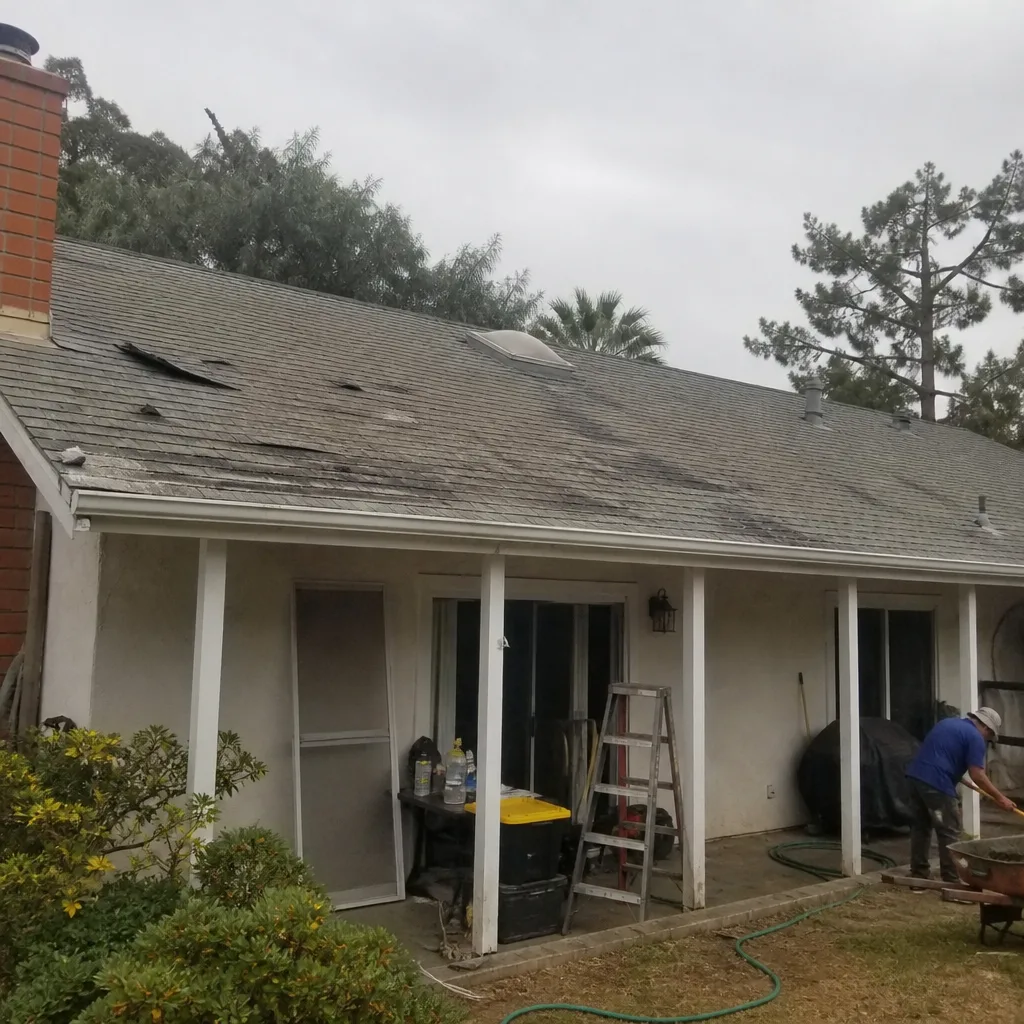
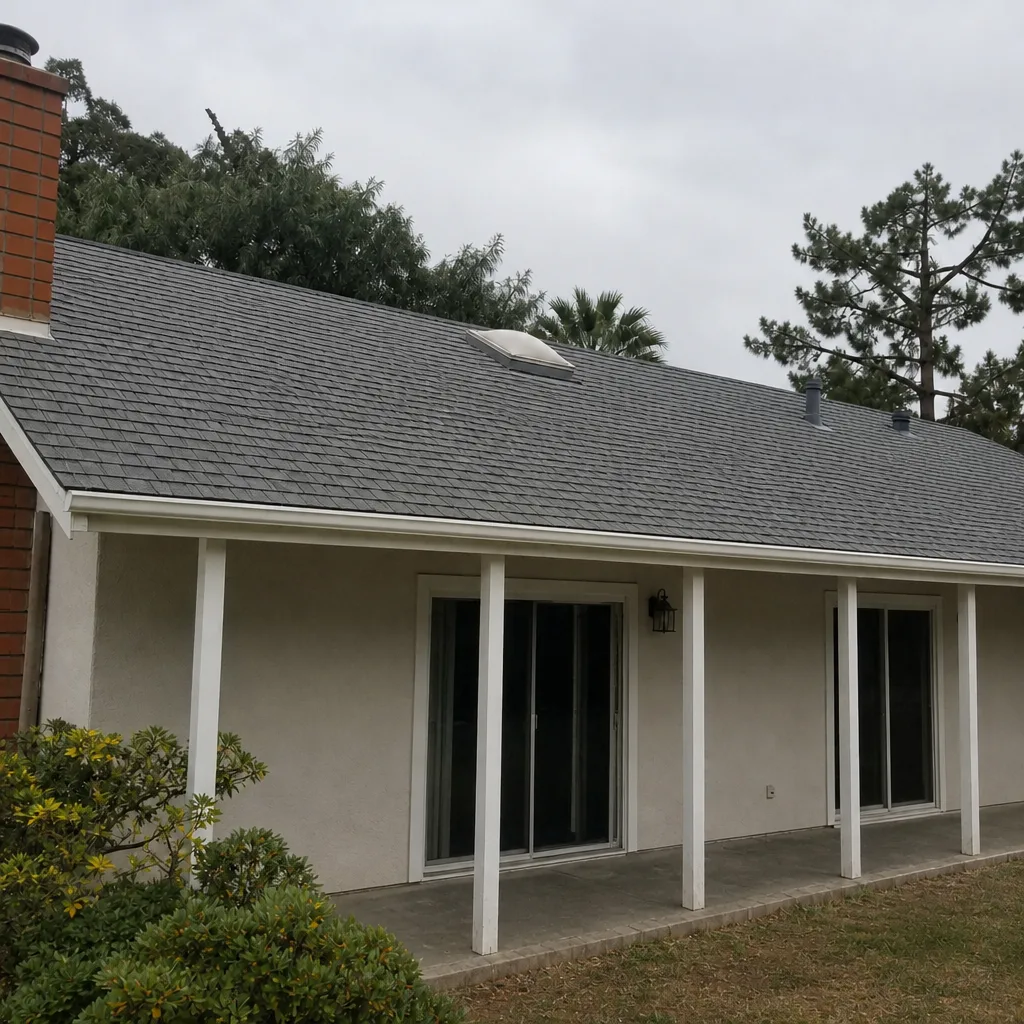
See the difference
 Before
 After
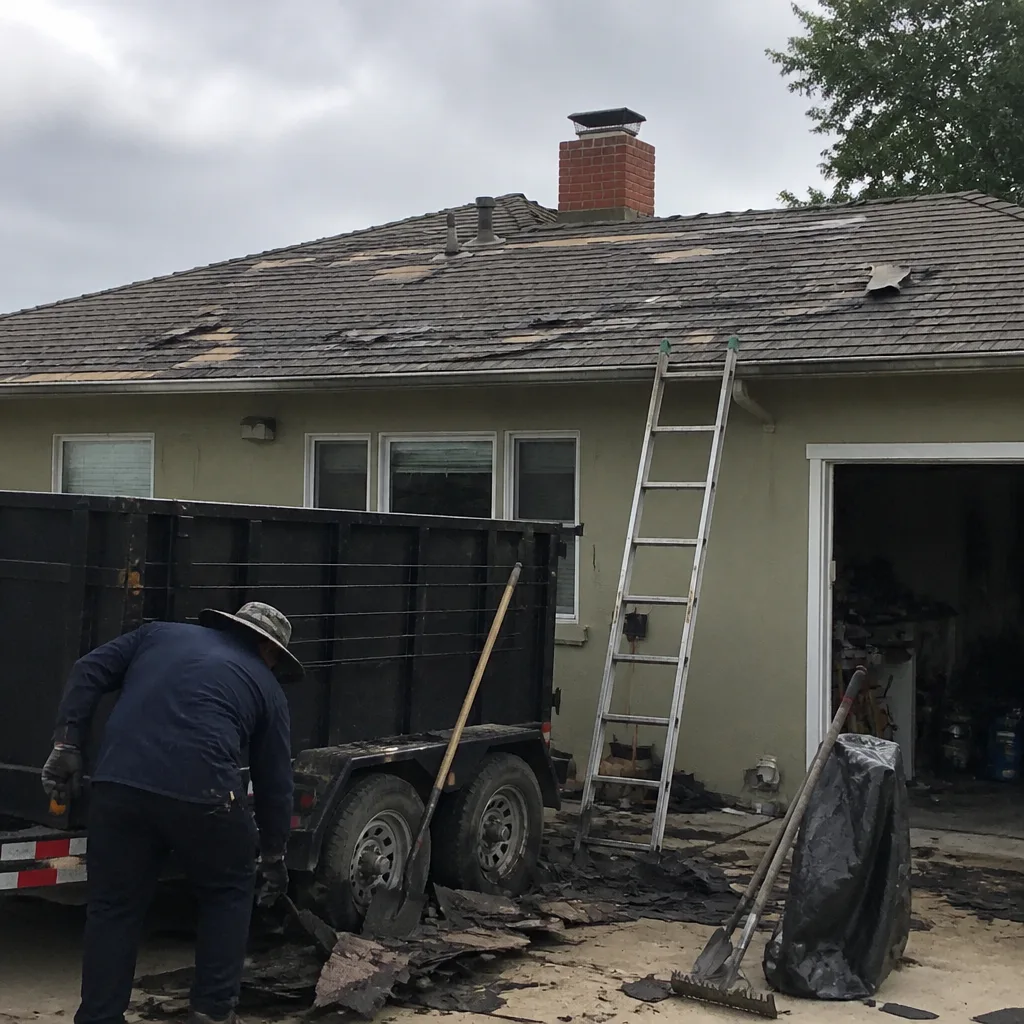 Before
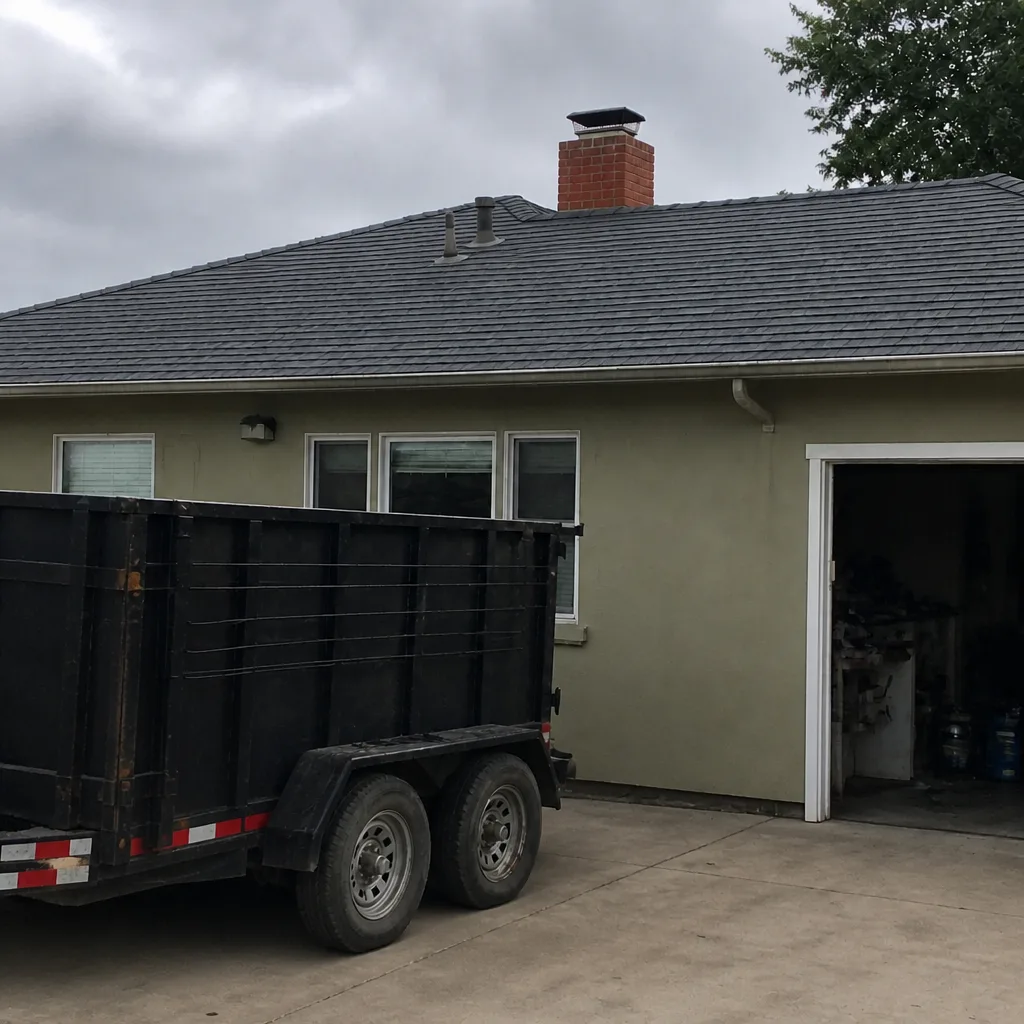 After
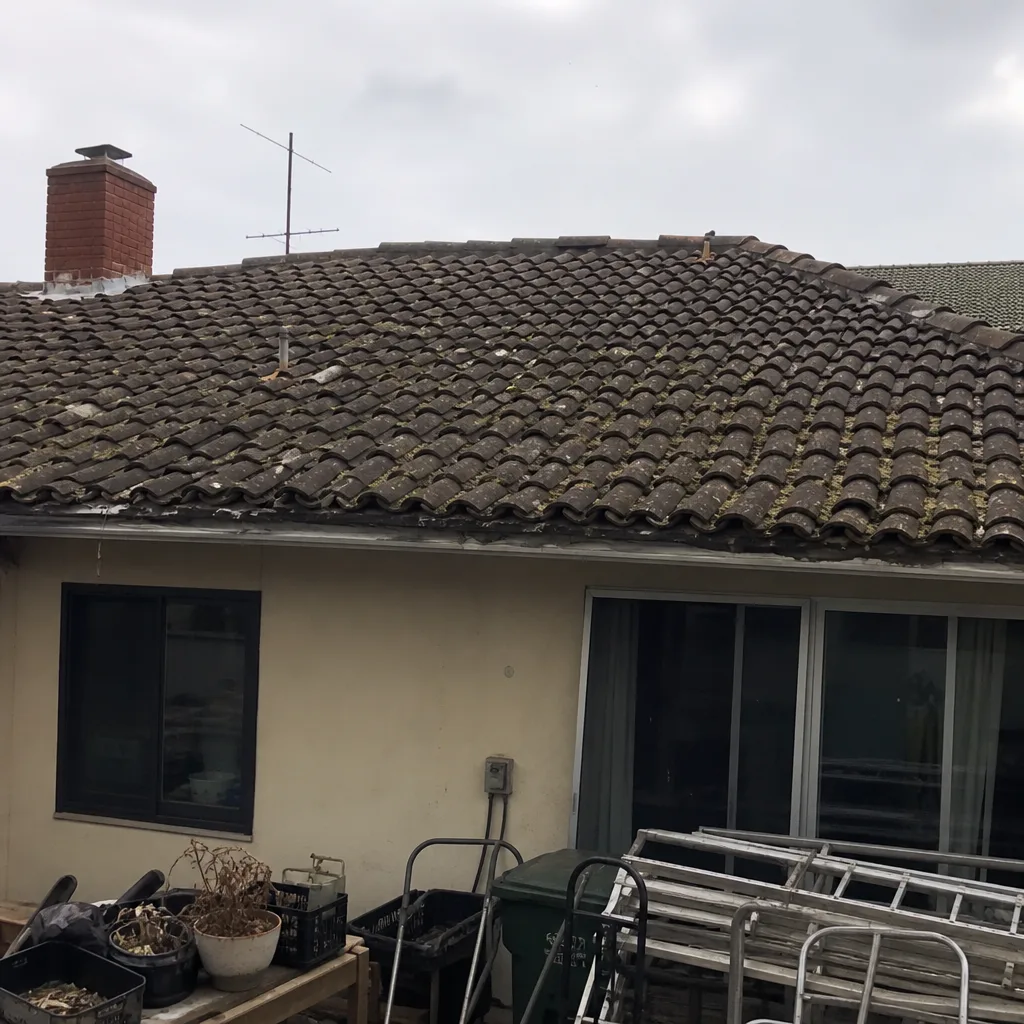 Before
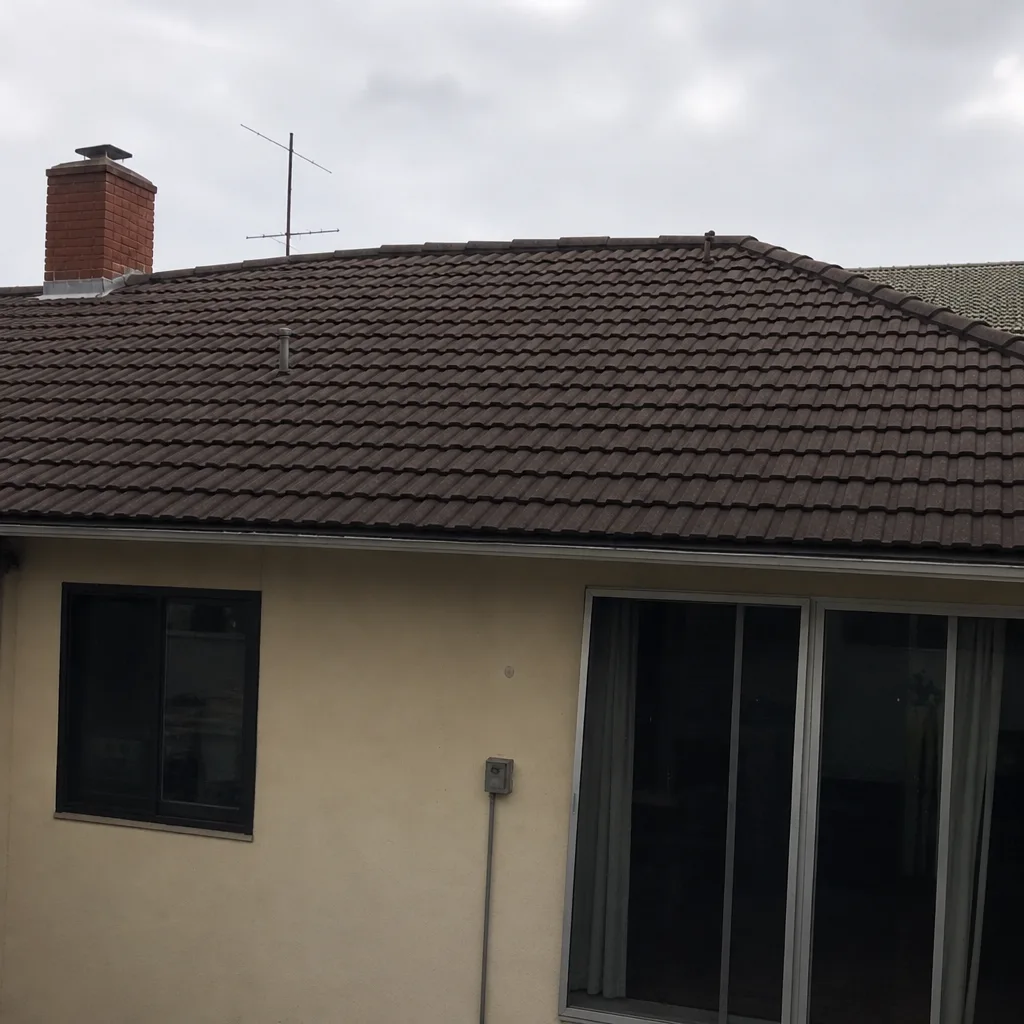 After
When to Call a Professional
Call a professional when any of the following is true: your roof is leaking and you’re not sure whether it’s a repair or a replacement candidate; your home is in a High or Very High Fire Hazard Severity Zone and you’re unsure which materials are compliant; your roof has been layered over before and the deck condition is unknown; you’re planning a sale or a refinance and need the permit history confirmed; or you received a contractor quote and want an independent assessment of whether the scope is right. The permit’s outcome depends on the scope being accurate, and a proper inspection is what produces an accurate scope. Hartwell Roof Repair offers free estimates in Ventura. Call (833) 946-8911. We answer 24/7. Fast dispatch from 7am to 7pm, Sunday through Friday.
Frequently Asked Questions
In most cases, yes. A full roof replacement requires a building permit from the City of Ventura, and so does any structural change, skylight addition, or roofing work that goes beyond minor repair. The permit application triggers fire-rating and Title 24 checks specific to your address. Confirm with the city’s building department before you order materials, and call (833) 946-8911 for a free estimate on the scope.
Sometimes, but rarely the way homeowners assume. A true like-for-like replacement of the exact same product may qualify for a narrow exemption, but the moment the material, color, or assembly changes, or the project triggers a current fire or energy code requirement, a permit is typically required. The exemption is narrow enough that guessing is a bad idea. Call the city and ask, then call (833) 946-8911 for a free estimate.
Look up your address in CAL FIRE’s Fire Hazard Severity Zone viewer online. The map shows whether your parcel is designated Moderate, High, or Very High. If it’s designated, your roof assembly will typically need to meet a Class A fire rating. If you can’t tell from the map, call the City of Ventura building department and confirm. Then call (833) 946-8911 for a free estimate.
Class A means the roof assembly has been tested to resist severe exposure to fire from outside the building. It’s a rating of the whole assembly, including the covering, underlayment, and installation, not just the product sample. If your parcel is in a High or Very High zone, the city will typically require a Class A assembly. We work with GAF, CertainTeed, Owens Corning, and Boral products across the full range, so the assembly matches your address. Call (833) 946-8911 for a free estimate.
Yes, in three specific places: resale disclosure (buyers require permit history), insurance claims (insurers may deny or reduce a claim if the roof wasn’t permitted), and lender appraisals (unpermitted work surfaces as an as-is condition and can block a closing). The fix is a retroactive permit, which usually requires opening the roof for inspection. Getting the permit upfront costs far less. Call (833) 946-8911 for a free estimate.
Not if the scope and the permit are accurate. The written estimate sets the final price, and the permit locks in the assembly and the requirements. What triggers price changes is discovering something the inspection missed, like an unexpected deck problem, which is why we inspect before we recommend. We assess before we recommend, and the estimate you sign is the number you pay. Call (833) 946-8911 for a free estimate in Ventura.
The Bottom Line
In Ventura, a roofing permit isn’t a bureaucratic add-on. It’s the document that determines which materials you’re allowed to install, whether your home meets fire code for its parcel, and whether you’re protected at resale, on an insurance claim, and during a lender appraisal. The order matters: confirm your fire zone, confirm your Title 24 requirements, clear your HOA architectural review if applicable, then apply for the permit and order materials. Start with an inspection rather than a phone guess, because the permit outcome depends on the scope being accurate. That’s what “we assess before we recommend” means in practice, and it’s how a roof project gets built once, correctly, with a paper trail you can point to later.
Call (833) 946-8911 for a free estimate. We answer 24/7. Fast dispatch from 7am to 7pm, Sunday through Friday.
Written by the team at Hartwell Roof Repair.