
Last updated November 16, 2026
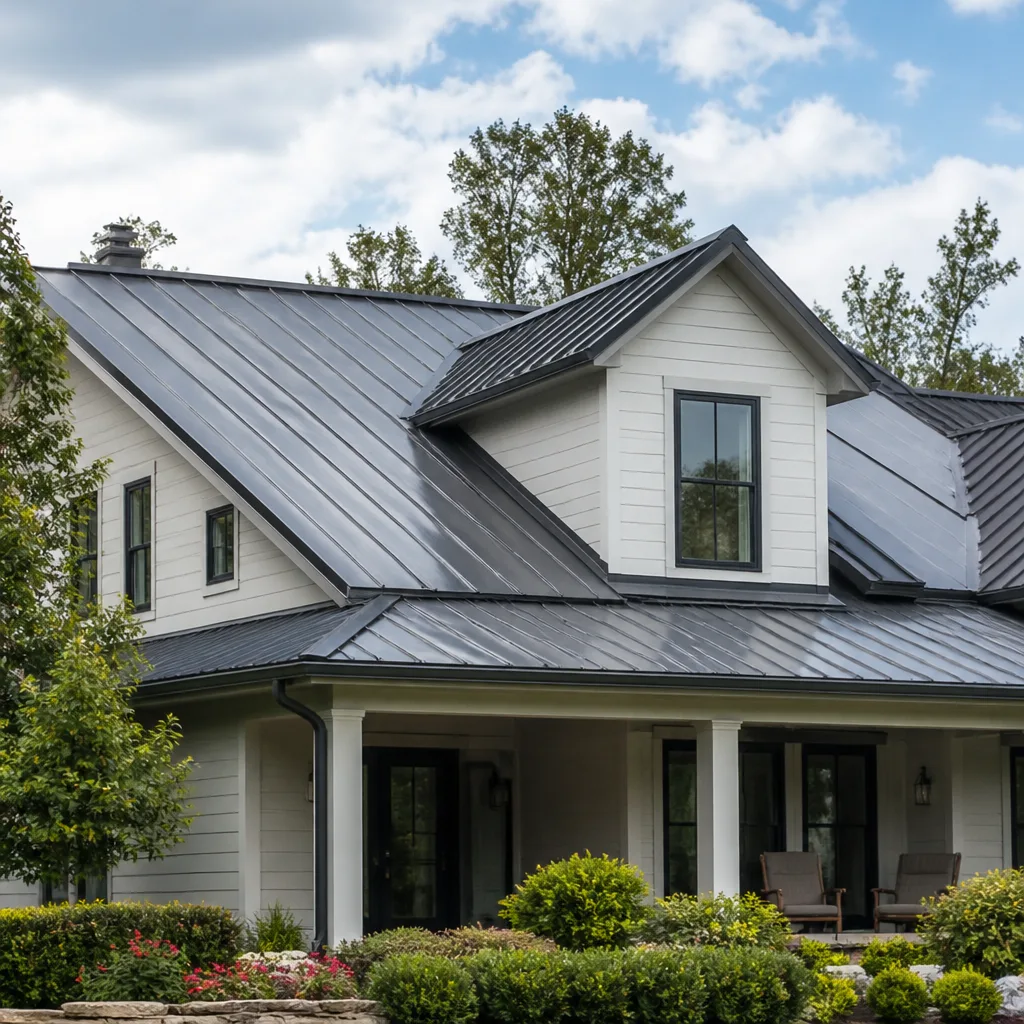 Metal roofing
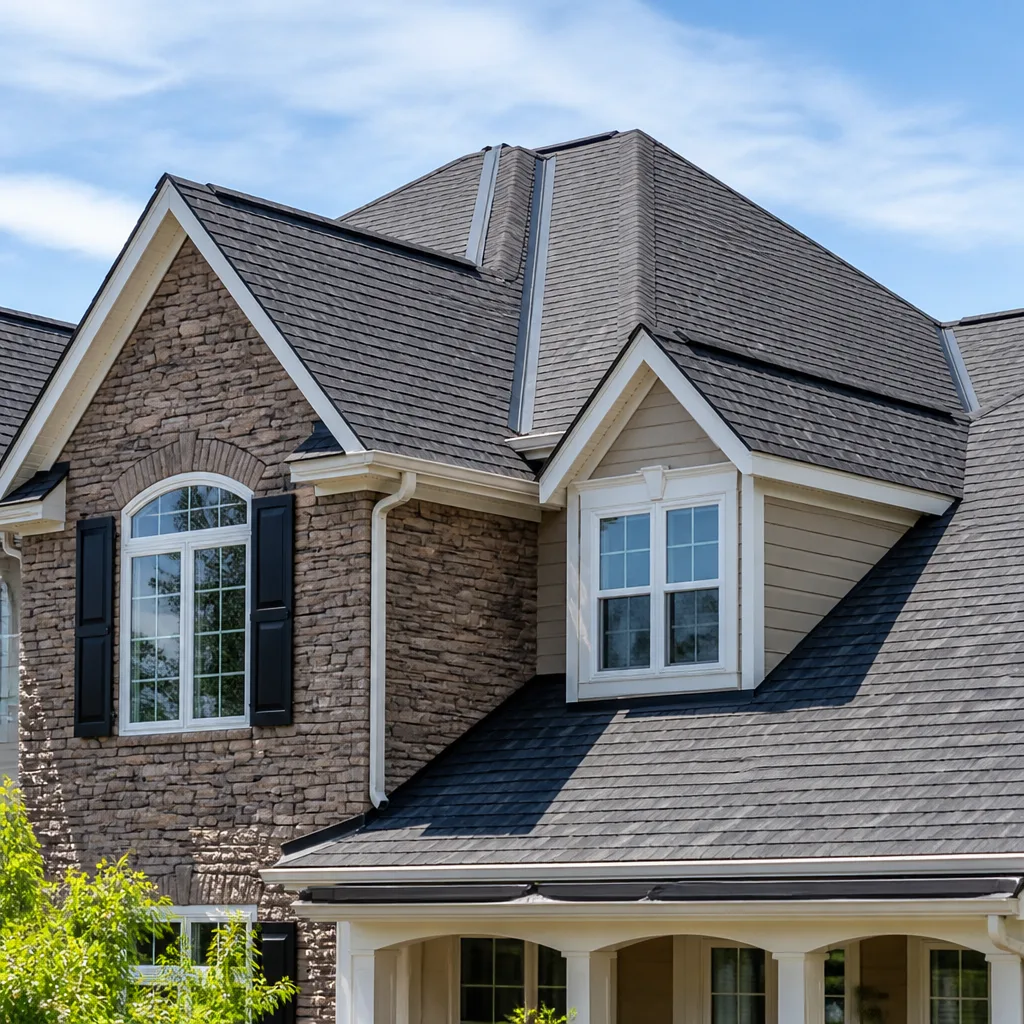 Architectural shingles
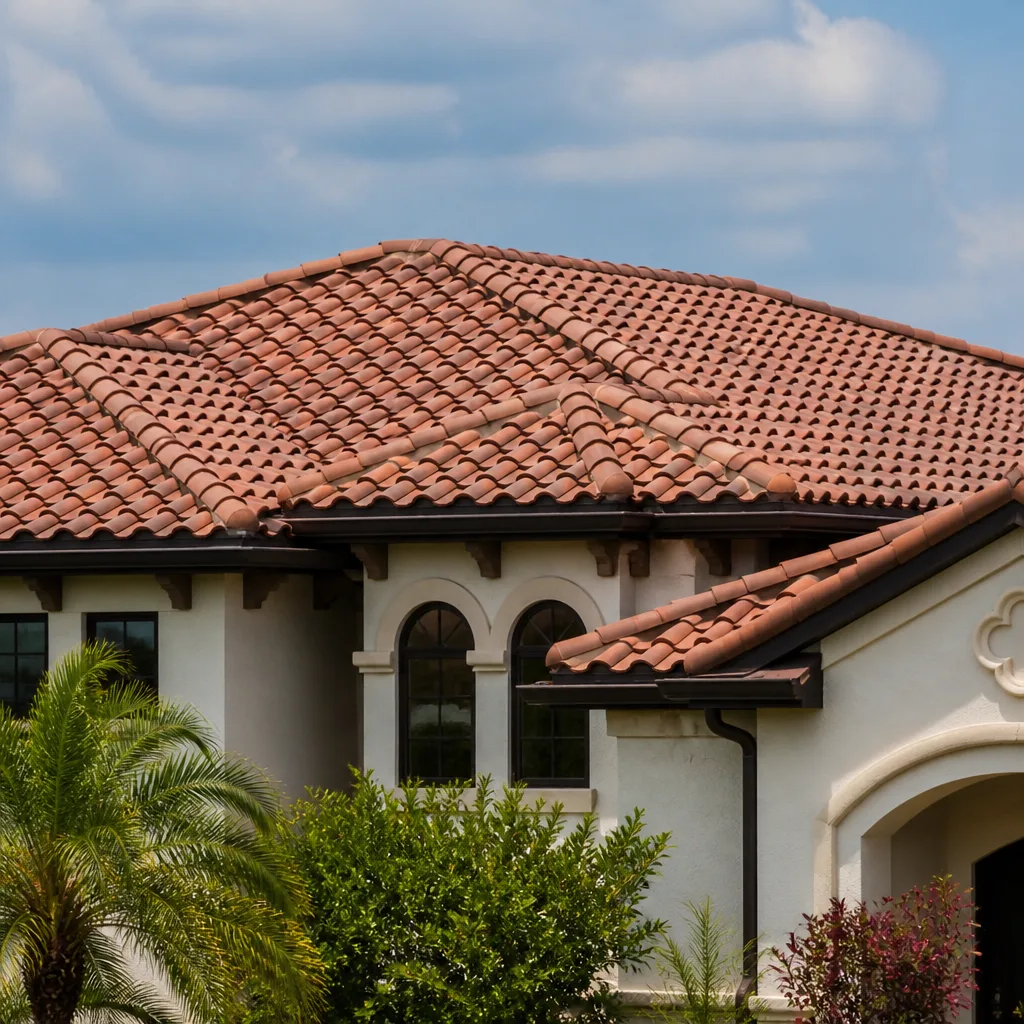 Tile roofing
 GAF
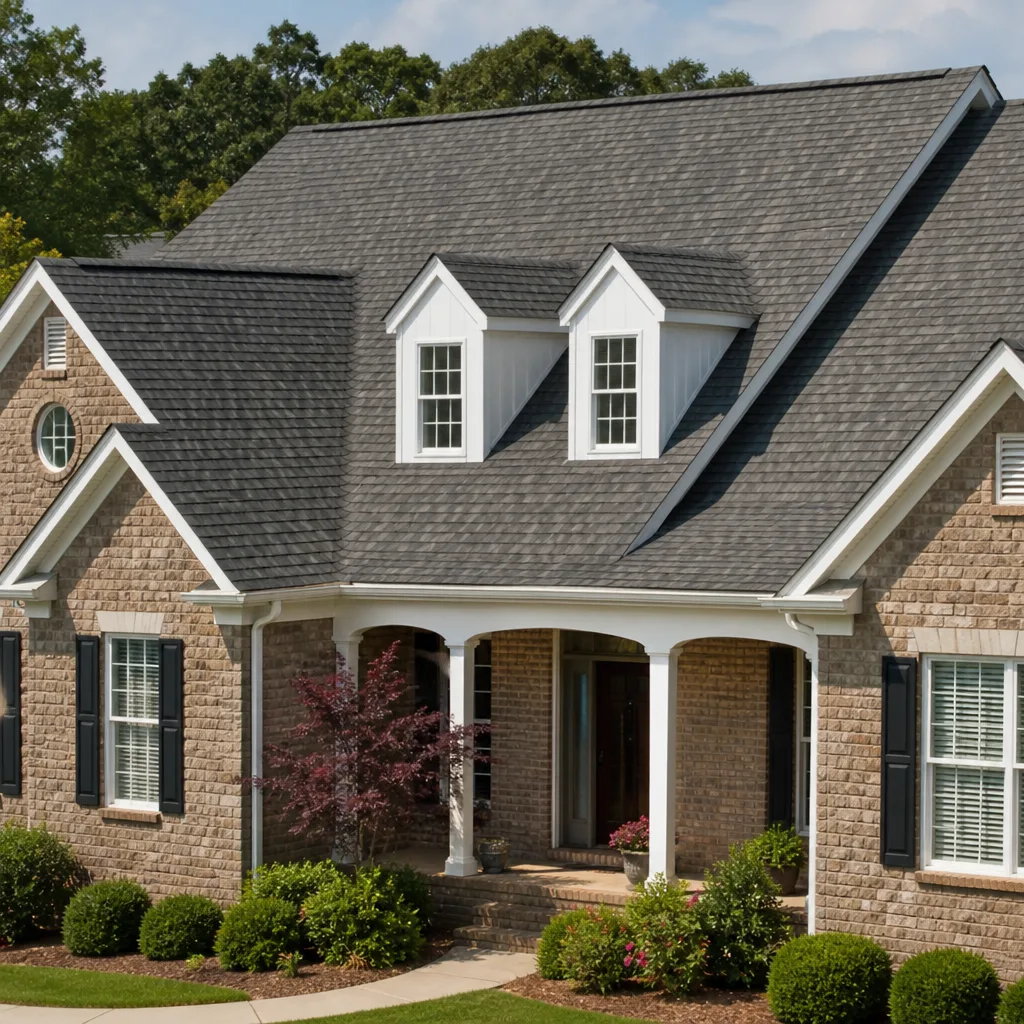 Owens Corning
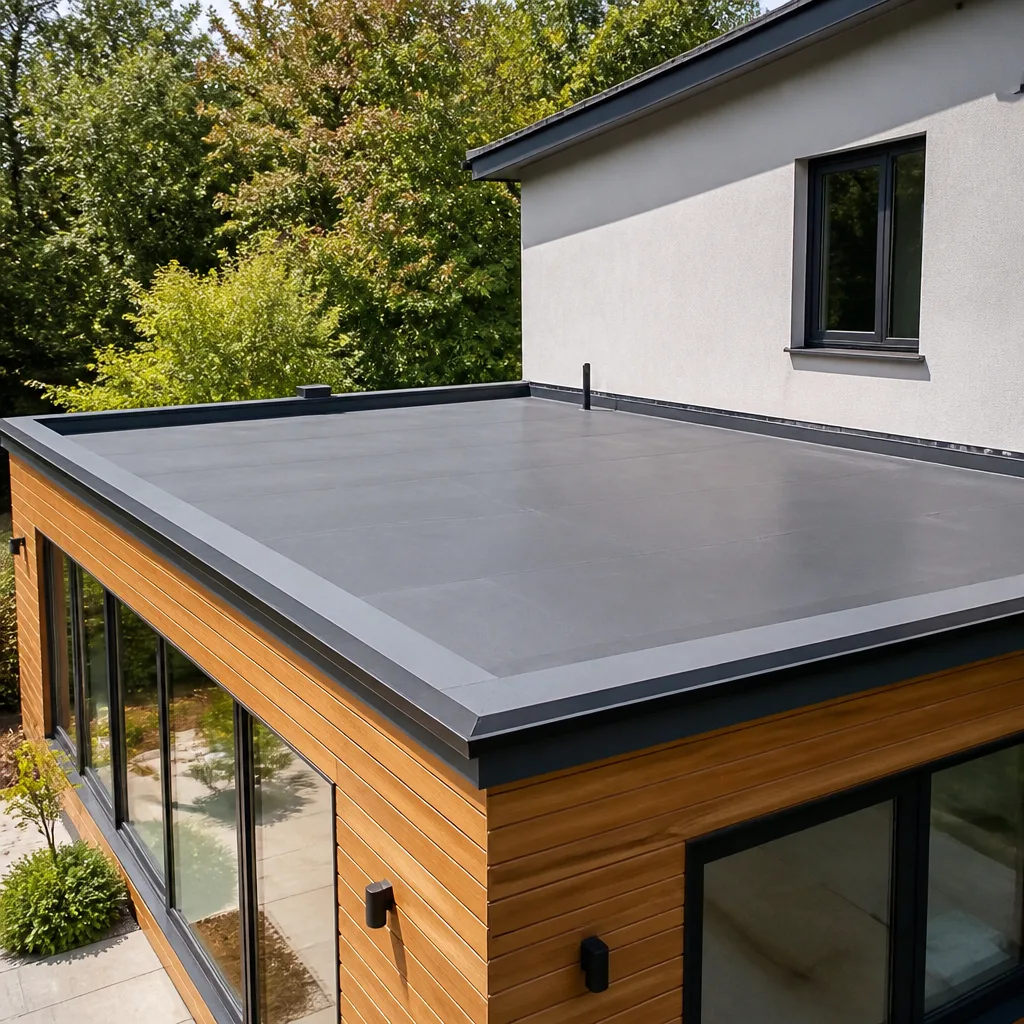 Flat & low-slope
Free roof inspection with deck photos before we talk money - GAF and Owens Corning certified installation
Choosing the Right Roofing Brand: A Buyer’s Guide for Ventura
The brand a roofer recommends most often is frequently the brand they’re certified to install, and that certification earns the contractor manufacturer perks. That doesn’t make the recommendation wrong, but it does mean the recommendation isn’t neutral. You deserve a materials decision built around your roof, not someone’s dealer agreement. In this guide we’ll walk through how the leading shingle lines actually differ on the things that matter in Ventura (algae resistance, wind uplift, fire performance, reflectivity), why contractor certification programs create a structural bias, what “lifetime” really means in a warranty, and how to use fire zone maps and roof pitch to narrow the field before you call anyone. You’ll finish with a scorecard you can fill in during bids.
Quick Answer
The right roofing brand for a Ventura home is the one whose specific product line matches your roof’s pitch and orientation, your property’s fire hazard classification, and how long you plan to own the home. No single brand wins across all four categories every time. GAF, Owens Corning, CertainTeed, IKO, Atlas, and TAMKO each publish independent product lines with different algae warranties, wind ratings, and reflective options, and a contractor who handles several lines can match the product to your roof instead of the reverse.
Styles & brands we work with
- Architectural shingles
- Metal roofing
- Tile roofing
- GAF
- Owens Corning
- Flat & low-slope
Table of Contents
- What Actually Differs Between the Major Shingle Brands
- Why Contractor Certification Programs Create a Conflict of Interest
- Using Ventura’s Fire Hazard Severity Zone to Narrow Your Choices
- How Roof Pitch and Orientation Change the Brand Decision
- The Warranty Fine Print That Matters in Ventura
- A Brand-Agnostic Scorecard for Contractor Conversations
- Why Matched Repairs Preserve Your Warranty and Your Roof’s Look
- Common Mistakes to Avoid
What Actually Differs Between the Major Shingle Brands
Shingle brands differ most on four performance characteristics: algae resistance, wind uplift ratings, Class A fire performance, and solar reflectance index. Those four are worth more of your attention than anything on the front of a shingle wrapper. Here’s what each one means in practice.
Algae resistance. Streaking on a roof is caused by algae feeding on limestone filler in asphalt shingles. Most major lines offer some algae-resistant warranty, but the terms differ significantly. Some offer a lifetime algae warranty on select products, others cover a shorter window, and the coverage often requires a particular product tier. In Ventura, where roofs hold moisture in the morning marine layer and dry out through the afternoon, algae streaks are one of the most common reasons homeowners call us for an inspection. If your home faces north or sits under tree cover, an algae warranty longer than the base offering is worth paying for.
Wind uplift. Manufacturers rate shingles under standard wind uplift classifications, and a higher rating generally means a heavier mat, a larger nailing zone, or a reinforced sealant strip. Ventura’s wind exposure is moderate compared to ridge-top locations, but pitched roofs near open ground or at higher elevations in the surrounding hills still see regular uplift pressure. A 110-mph rated shingle installed with the manufacturer’s specified nailing pattern holds better than a 130-mph rated shingle installed with four nails instead of six.
Class A fire performance. Nearly every architectural shingle sold today carries a Class A fire rating, but the rating applies to the shingle, the underlayment, and the assembly together. A brand’s install instructions matter as much as the rating claim on the wrapper.
Solar reflectance index. Cool-roof shingles carry a measurable solar reflectance index (SRI), and lighter colors reflect more heat. In Ventura, where summer afternoons push attic temperatures high enough to feel through the ceiling, a lighter-colored cool-rated product from any of the top lines measurably reduces heat gain. CertainTeed, Owens Corning, and Atlas all publish SRI values for their cool-color product lines; ask for the number, not the marketing phrase.
Why Contractor Certification Programs Create a Conflict of Interest
Manufacturer certification programs give contractors a set of real benefits: extended workmanship warranties for the homeowner, access to higher-tier products, marketing support, and financial incentives. Those benefits are genuine and often worth having. The conflict is structural, not dishonest. A contractor who is certified with one brand is being financially rewarded for installing that brand, and no amount of good faith fully removes that pull.
You don’t need to distrust every certified installer. You do need to ask questions that force the recommendation apart from the incentive. Here are the questions that separate a genuine materials recommendation from a script.
- Ask for the reasoning against the recommendation, not for the recommendation itself. A specific answer sounds like “we’re not recommending this line for your roof because your eastern exposure and tree cover create a streaking risk that the base product doesn’t warrant against.” A vague answer sounds like “GAF makes the best shingles.”
- Ask what brand they would install on their own roof, and why. Then ask how the reasoning connects to your roof’s pitch, orientation, and fire zone.
- Ask which brands they are certified to install and which brands they are not. A contractor who handles seven major lines has a genuine menu. A contractor who handles exactly one is a dealer, which may be fine, but you should know it before the bid is written.
- Ask for a written comparison of two product lines at two price points. A brand-agnostic contractor can produce this without leaving the truck. A single-brand contractor cannot.
- Ask how the brand-specific warranty differs from the contractor’s workmanship warranty. They cover different things, and they are handled by different parties if a claim comes up.
At Hartwell Roof Repair we carry product lines from GAF, CertainTeed, Owens Corning, IKO, Atlas, and TAMKO because those cover the overwhelming majority of shingles on Ventura-area homes. Our technicians have up to experience and work across all seven lines, so when a recommendation comes out of a bid, the reasoning behind it has room to breathe. Our default is to assess before we recommend, and to repair before we replace.
Using Ventura’s Fire Hazard Severity Zone to Narrow Your Choices
Ventura’s fire hazard classification narrows your roofing options before you’ve spoken to a single contractor. The California Department of Forestry and Fire Protection (CAL FIRE) publishes Fire Hazard Severity Zone maps for every county. Properties in Very High Fire Hazard Severity Zones face stricter roofing rules than properties in lower zones, and the difference shows up in what your building department will approve. If you haven’t checked your zone, do that first. The map is public, it takes a minute, and it will change your shortlist.
Once you know your zone, here’s how to narrow the field:
- Look up your property’s Fire Hazard Severity Zone classification. CAL FIRE’s statewide map is the authority, and your city or county may publish a finer-grained local version.
- Check whether your roof covering is a Class A, B, or C assembly. This classification comes from the roof covering material plus the underlayment and deck combination, not from the shingle alone. A Class A shingle on a wood-shake assembly still isn’t a Class A assembly.
- Confirm the assembly you’re considering with your building department. Local officials approve the assembly, and their list of accepted Class A assemblies is the fastest filter. If your property is in a higher fire zone, this step is not optional.
- Ask the contractor to show the exact assembly, not just the shingle brand. Underlayment, valley flashings, and vent closures all participate in the fire rating.
- Look at the brand’s published fire rating documents for the specific product. Class A rated products usually have published listings you can ask to see.
Properties in the higher fire zones around Ventura have more reason to care about this than properties on lower-lying blocks, but the assembly question is worth confirming regardless of zone. Most cities require a permit to replace a roof, so the building department is where these questions get resolved, not the showroom.
How Roof Pitch and Orientation Change the Brand Decision
Your roof’s pitch and orientation tell you which performance characteristics to weight most heavily, and they cut through more marketing than any comparison chart. A low-slope roof on a north-facing exposure has entirely different priorities than a steep-slope roof on a sun-baked western face.
Here’s how to translate roof geometry into product priorities.
- Low-slope roofs (below the minimum slope for standard shingles). You need a product rated for your slope, which typically means a low-slope membrane rather than an architectural shingle. If your roofer is pitching an architectural shingle for a roof below its rated slope, ask for the manufacturer’s slope rating in writing. Most shingle lines specify a minimum slope in the installation instructions.
- Steep-slope roofs on western and southern exposures. Sun exposure accelerates the aging of asphalt, and heat loading raises attic temperatures. Prioritize solar reflectance index on the shingle color and confirm ventilation in the attic. A cool-rated lighter color from any of the major lines beats a darker premium color on this exposure.
- Northern exposures under tree cover. Moisture lingers, algae grows, and debris accumulates. Prioritize the algae warranty and a heavier mat. CertainTeed’s and Owens Corning’s product families both publish longer algae warranties on their higher tiers; ask for the specific product, not the family name.
- Complex roof geometry (many hips, valleys, dormers). The complexity of the install matters more than the brand. More cuts mean more fasteners, more flashing details, and more places for water to get in. On a complex roof, favors the crew’s install discipline over the shingle brand itself.
- Older homes with partial shingles visible from the street. If a future repair is likely, favor a brand line that a brand-agnostic contractor can match years later. A hard-to-match imported product is a future repair problem, not a materials upgrade.
Roof geometry questions are exactly where a repair-first inspection earns its keep. Our default when we arrive is to assess what’s failing before recommending a replacement. If a repair with matched shingles will extend the roof’s life by a meaningful number of years, that’s the recommendation you should hear before anyone talks about a tear-off.
The Warranty Fine Print That Matters in Ventura
The word “lifetime” on a shingle wrapper is a marketing term, not a duration. In practice, “lifetime” in a shingle warranty usually means the life of the shingle as defined by the manufacturer’s own prorating schedule, or the length of time you own the home, whichever is shorter. The useful thing to understand is what voids the warranty and what transfers, because those clauses matter more than the total length.
What voids the warranty. Improper attic ventilation is the single most common reason a shingle warranty claim gets denied. Shingles fail early when the attic can’t release heat and moisture, and manufacturers know how to read ventilation clues from the failed shingles. Other common void triggers are inadequate deck preparation, installation over an existing shingle layer where the manufacturer doesn’t allow it, four-nail installation where the manufacturer requires six, and installation below or above specified temperature ranges.
What transfers on resale. Most major lines offer a warranty that transfers to the next owner, but only with a registration or documentation step and usually within a defined window after the install. If you intend to sell within a few years, the transferability of the warranty is worth as much as the length. Ask for the transfer clause in writing.
What the workmanship warranty covers. The manufacturer’s warranty covers the shingle. The contractor’s workmanship warranty covers the installation. They are different commitments from different parties, and they get resolved separately. Neither one absorbs the other.
Do not accept a written warranty summary. Ask for the full manufacturer warranty document for the specific product line being quoted. The general brochure and the product-specific document are not the same, and the fine print lives in the product-specific one. If your roofer can’t produce the full document, that is a warning sign about how a future claim will go.
A Brand-Agnostic Scorecard for Contractor Conversations
A brand-agnostic scorecard lets you compare bids on construction, not on the shingle label. Walk into each conversation with this sheet and fill in the same fields for every contractor. If two bids land on the same numbers, you’re comparing honest apple to honest apple.
- Specific product name and tier. Not “architectural shingle” and not “the premium line.” The exact product name and tier for the exact roof.
- Algae warranty length and terms. The years and what conditions apply.
- Wind uplift rating and nailing pattern. The rating plus the number of nails per shingle the contractor will install.
- Class A assembly confirmation. The shingle plus underlayment plus valley detail, as one listed assembly.
- Solar reflectance index for the chosen color. The actual number, if the product family publishes one.
- Ventilation plan. The intake and exhaust specification in square inches per square foot, as designed for your attic volume.
- Underlayment brand and type. The specific product being installed.
- Flashings. The type (metal, membrane, or both) and whether they’ll be replaced or reused.
- Deck repair terms. How the contractor handles unforeseen decking damage, whether it’s a fixed price or a per-sheet add-on, and whether that change order requires your written approval.
- Workmanship warranty length and terms. Separate from the manufacturer warranty, and written down.
- Permit responsibility. Who pulls the permit and who schedules the inspection.
- Written line-item estimate. Materials, labor, tear-off, disposal, and permits itemized individually.
If you’re comparing bids, the scorecard also tells you who is offering real material choice. A contractor who can quote only one brand can only fill in one line for items one through five. A contractor who can quote two brands at two price points has given you something a single-brand dealer structurally cannot.
Why Matched Repairs Preserve Your Warranty and Your Roof’s Look
A matched repair uses the same shingle product line as the existing roof, so the repair holds visually and the manufacturer warranty remains intact. Because we install and service across seven major manufacturer lines, our technicians can usually match existing shingles on a repair rather than patching with a close-but-different product. That matters more than most homeowners realize until the repair is done.
Here’s what a brand-matched repair looks like in practice:
- Identify the existing product. The shingle’s profile, color, and any exposed markings tell the technician which line to source.
- Confirm the matching product is still available. Colors and product lines cycle out of production occasionally, and this is where a contractor with several brand relationships can find a match more reliably than a single-line dealer.
- Follow the same specified installation details. The replacement shingles get the same nail pattern and the same sealant treatment as the original install, so the factory warranty isn’t compromised by the repair.
- Check the surrounding ventilation and flashing. A shingle repair that leaves a ventilation problem in place is a repair that will be repeated.
This is the practical argument for a brand-agnostic approach: the value shows up years later, when a five-square-foot repair has to look like the rest of the roof and still be covered by the manufacturer if something fails. A dealer-limited contractor can’t always offer that. A brand-agnostic contractor usually can. You can read more about our roof repair and roof replacement services if you’re weighing repairs against a full tear-off.
Common Mistakes to Avoid
- Accepting the brand on the brochure without confirming the product. The brochure covers a family. The quote should name the exact product and tier. Ask your contractor to match the two in writing before signing.
- Confusing the manufacturer warranty with the workmanship warranty. The manufacturer covers the shingle. The contractor covers the install. If the contractor’s workmanship warranty isn’t written down, it’s not a commitment.
- Skipping the fire zone check. In a Very High Fire Hazard Severity Zone, a roof covering and assembly that wouldn’t pass the building department’s Class A requirement can stall permit approval. Check your zone before you shortlist a product.
- Not confirming ventilation in the bid. Ventilation voids more shingle warranties than any other single cause. If your bid doesn’t list the intake and exhaust specification, ask for it now, not after the install.
- Assuming a higher price means a better shingle. After a certain point, the difference between two product lines is color and marketing, not performance. The scorecard compares the performance characteristics; the price only matters against the scorecard.
- Hiring a single-line dealer when you need a repair match. A contractor who can only install one brand can only match one brand. If your existing roof is a different line, a matched repair might not be possible.
- Leaving the deck repair terms to good faith. A bid that says “additional decking at cost” is not a price. Ask for the per-sheet rate and the change-order approval process in writing.
See the difference
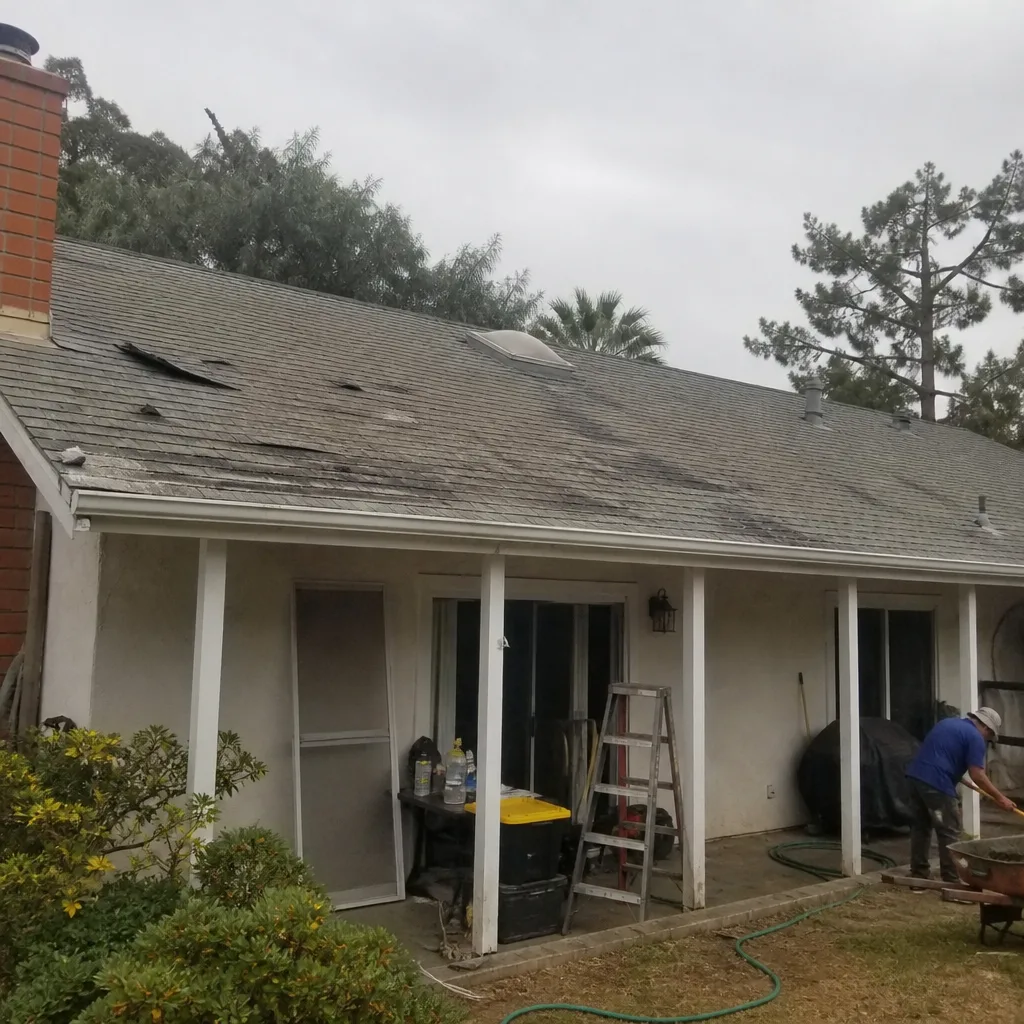 Before
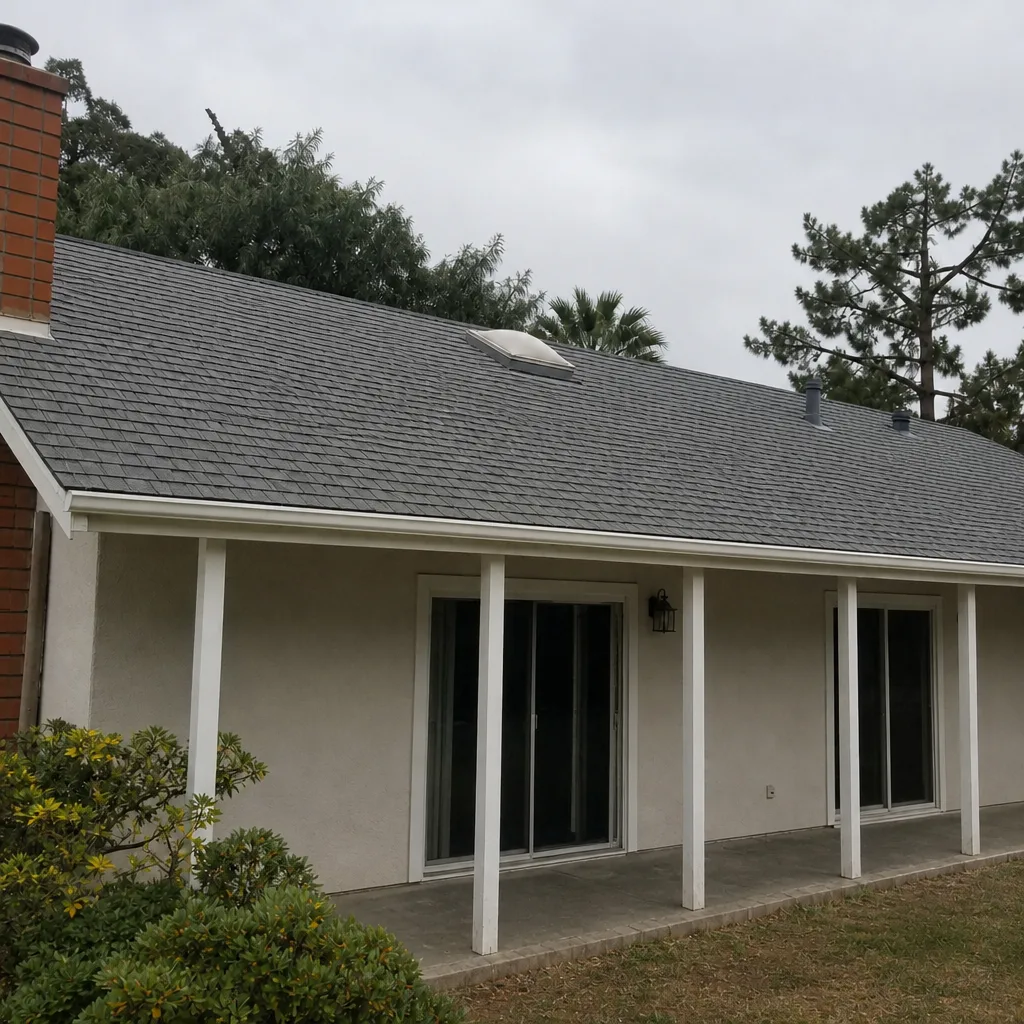 After
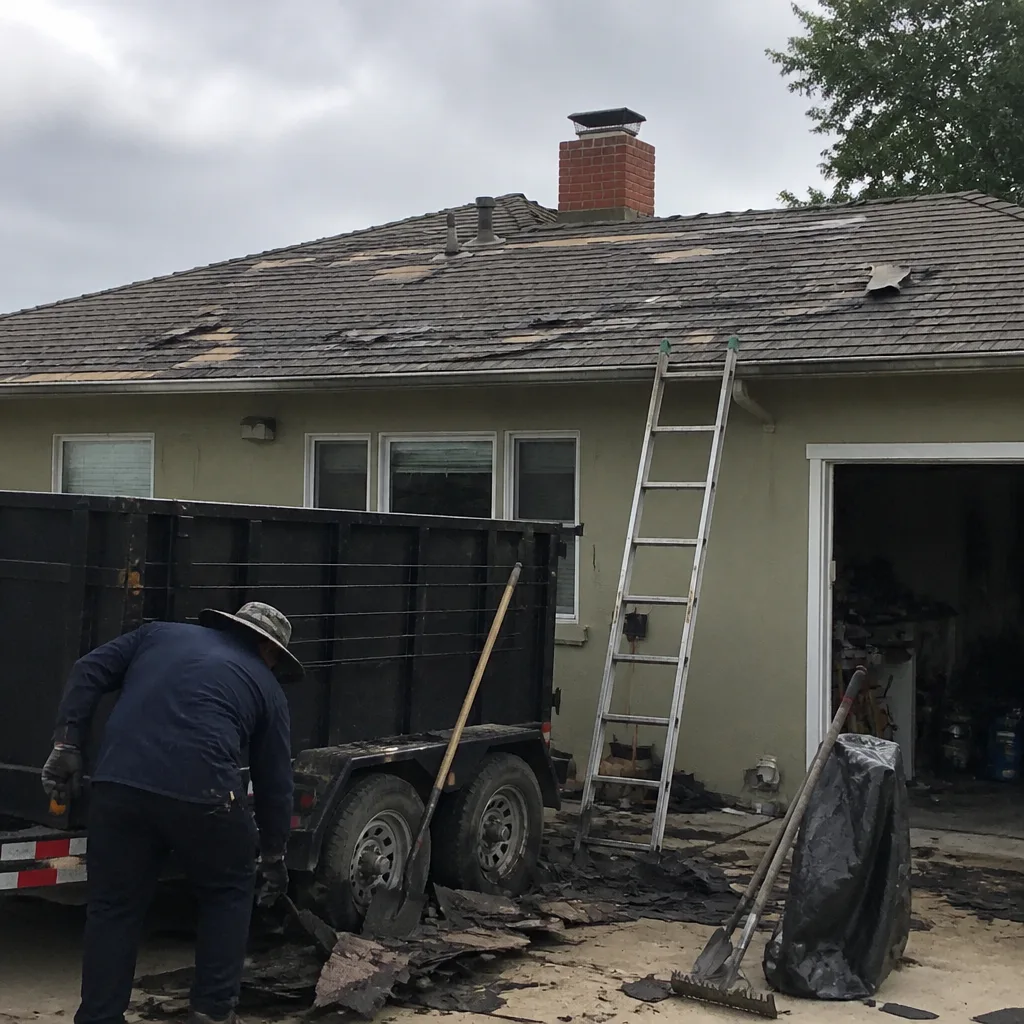 Before
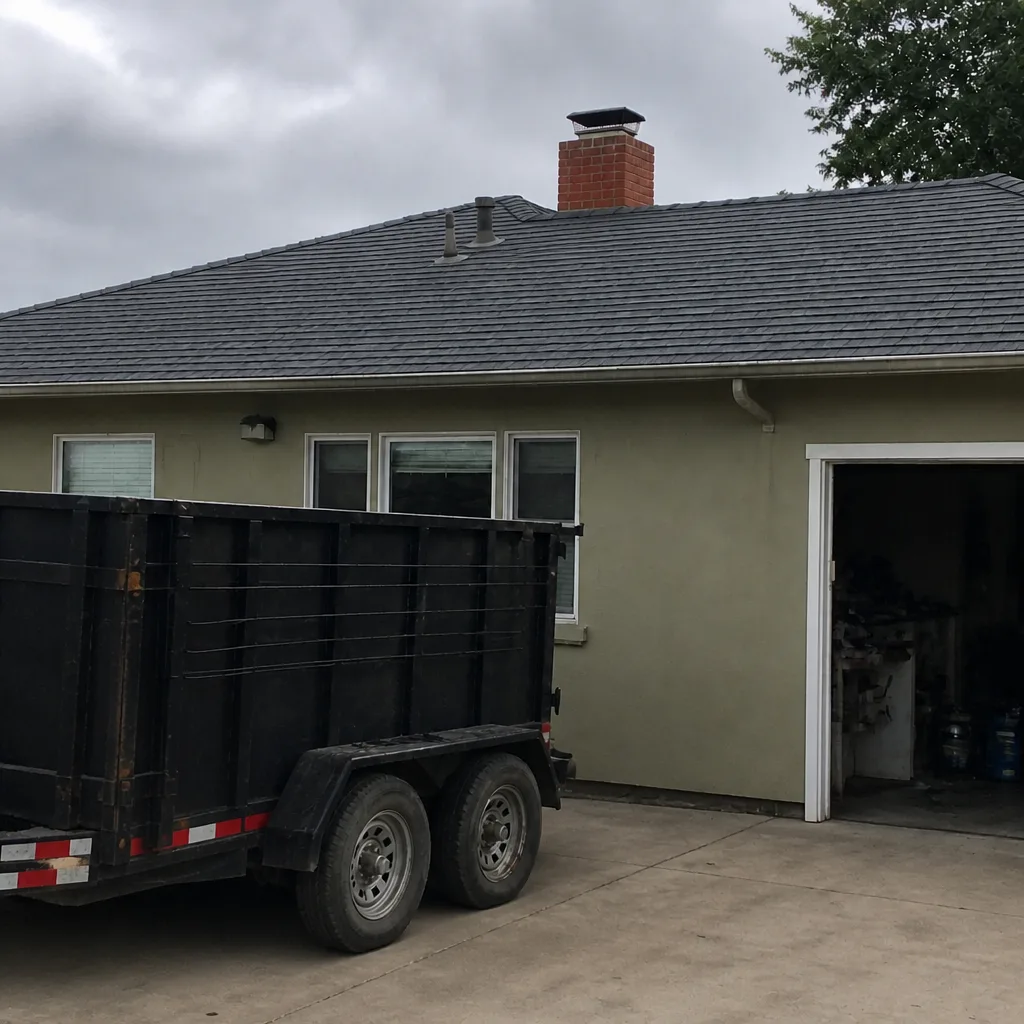 After
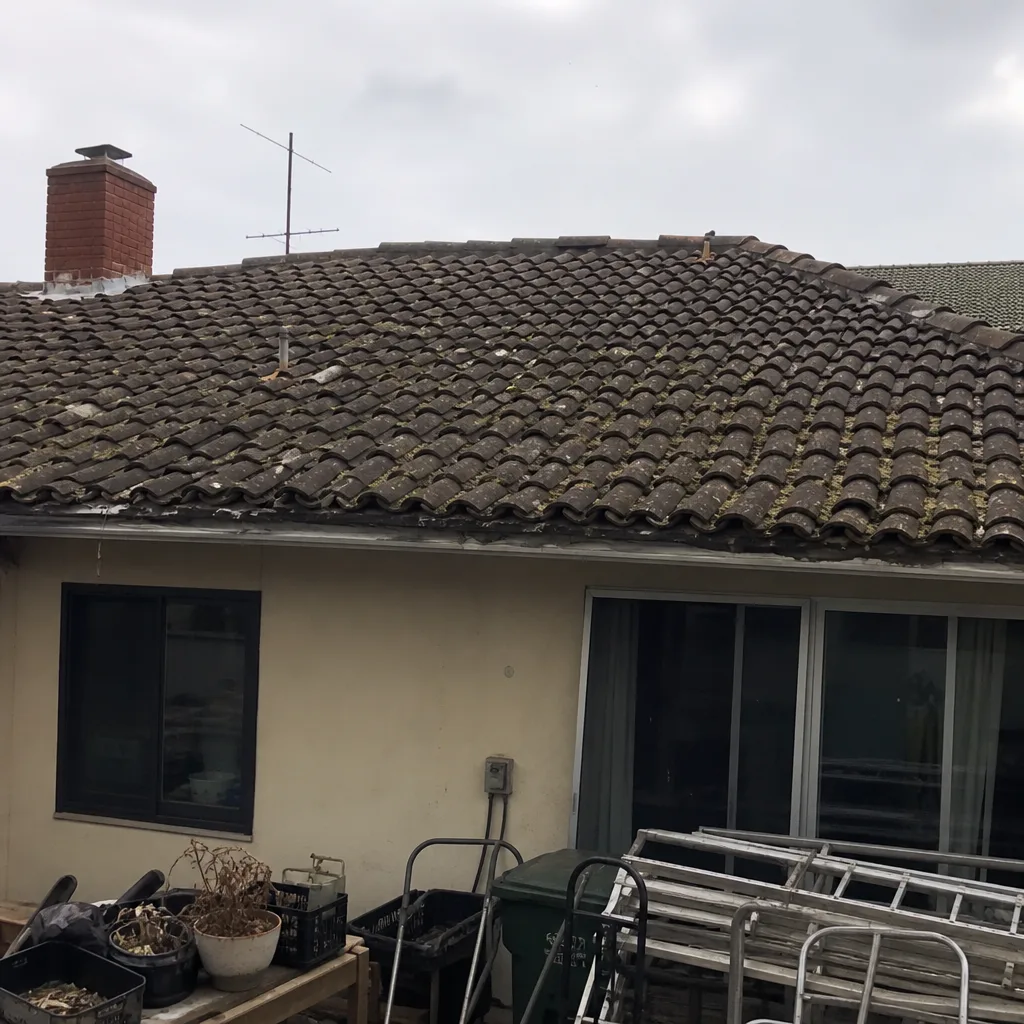 Before
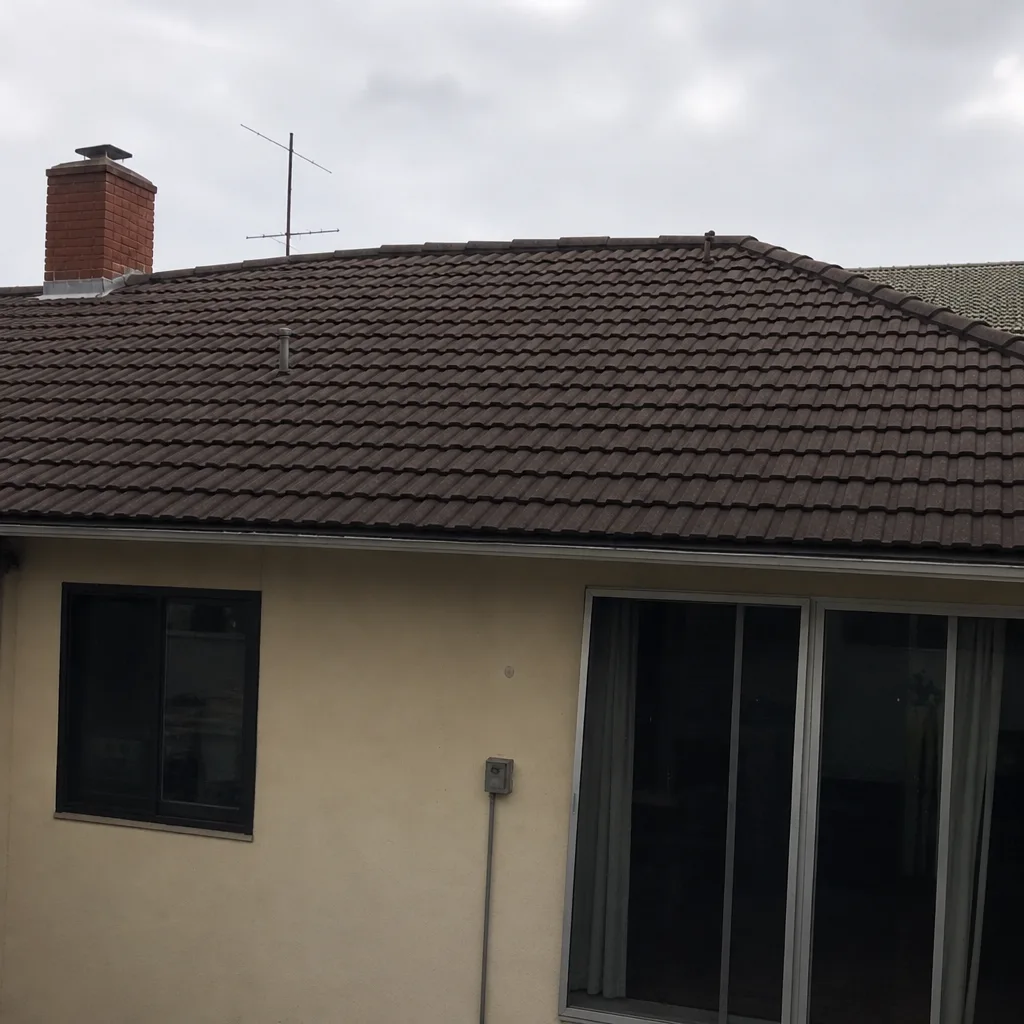 After
When to Call a Professional
Some roof work is routine, and some belongs with a trained technician. If your roof is leaking, if you’ve found damaged or missing shingles, if the shingle granules are washing off in the rain and collecting in the gutters, or if your roof is old enough that you’re weighing replacement against repair, call a professional. Roof work involves heights, and even a modest fall from a pitched roof causes serious injury. We don’t recommend homeowners climb a roof to inspect or repair shingles. If your home is in a higher fire severity zone or the roof has visible structural sagging, get an inspection before doing anything else. We at Hartwell Roof Repair offer free estimates in Ventura and can walk the roof safely. Call (833) 946-8911. We answer 24/7. Fast dispatch from 7am to 7pm, Sunday through Friday.
Frequently Asked Questions
There isn’t one best roofing brand in Ventura. The right brand for your home depends on your roof’s pitch and orientation, your fire hazard classification, and how long you plan to own the property. A product with a strong algae warranty on a tree-shaded north slope beats a “premium” product without one; a cool-rated lighter shingle on a western exposure beats a darker premium color. Call (833) 946-8911 for an exact quote based on your roof. Estimates are free.
A new roof is priced per job by the written estimate, and the exact number depends on the square footage, the roof pitch and complexity, the material line, the ventilation upgrade, and any deck repair. We provide a written line-item estimate so you can see what each part of the job costs, and we hold the price to that estimate with the change-order process written into the contract. Call (833) 946-8911 to schedule a free estimate.
Yes, but not for the reasons the brochure suggests. The brand matters most on four specific performance characteristics: algae resistance, wind uplift rating, Class A fire assembly, and solar reflectance index. Two brands can be nearly identical on appearance and very different on those four. That’s why the evaluation should follow the roof, not the label.
A “lifetime” shingle warranty usually means the life of the shingle as defined by the manufacturer’s prorating schedule, or the time you own the home, whichever is shorter. The prorating schedule and the void conditions (especially attic ventilation) matter more than the headline length. Ask for the full manufacturer warranty document for the specific product being quoted, not the general brochure.
A repair with a different shingle product can compromise the manufacturer warranty on that section of roof, and it almost always shows visually. A contractor with relationships across the seven major lines can usually source a matching product. Our technicians can often match existing shingles during a repair so the roof stays visually consistent and the warranty stays intact. Call (833) 946-8911 to talk through the specific product on your roof.
Yes. Fire Hazard Severity Zone classifications published by CAL FIRE assign stricter roofing requirements to higher zones, and the building department enforces them at permit. The compliance requirement applies to the full Class A assembly (shingle, underlayment, and valley details), not just the shingle wrapper, so the brand matters only as part of the whole assembly. Check your zone before you shortlist a product.
Yes, and that lifecycle coverage matters. A single contractor who handles inspection, repair, and replacement gives you one consistent diagnosis from an inspection all the way through a replacement, instead of a second company repeating the diagnosis and arriving at a different conclusion. Our Hartwell Roof Repair team covers the full lifecycle from the first inspection forward. Call (833) 946-8911 to schedule.
The Bottom Line
Choosing a roofing brand in Ventura is a materials decision, and it should follow your roof. Check your fire hazard severity zone first, then confirm your roof’s pitch and orientation, then confirm your ownership timeline. Those three variables narrow the brand shortlist before you call a contractor. Use the scorecard during the bids. Ask for the specific product name, the full manufacturer warranty document, the ventilation plan, and the workmanship warranty in writing. A brand-agnostic contractor will produce all of it. A single-brand dealer can only produce part of it. Our technicians have up to experience across the major lines, and we’ll match the material to the job rather than the job to the inventory.
Call (833) 946-8911 for a free estimate. We answer 24/7. Fast dispatch from 7am to 7pm, Sunday through Friday.
Written by the team at Hartwell Roof Repair.