
Last updated November 16, 2026
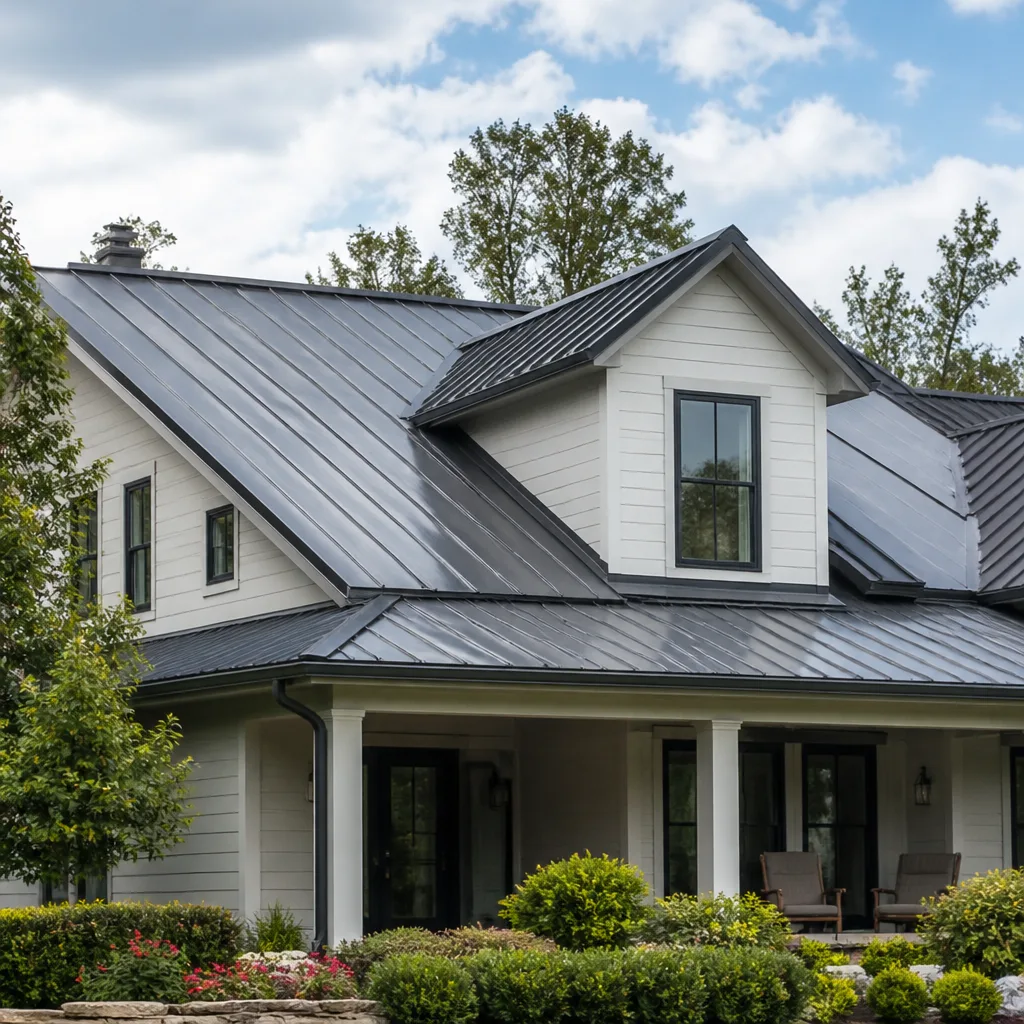 Metal roofing
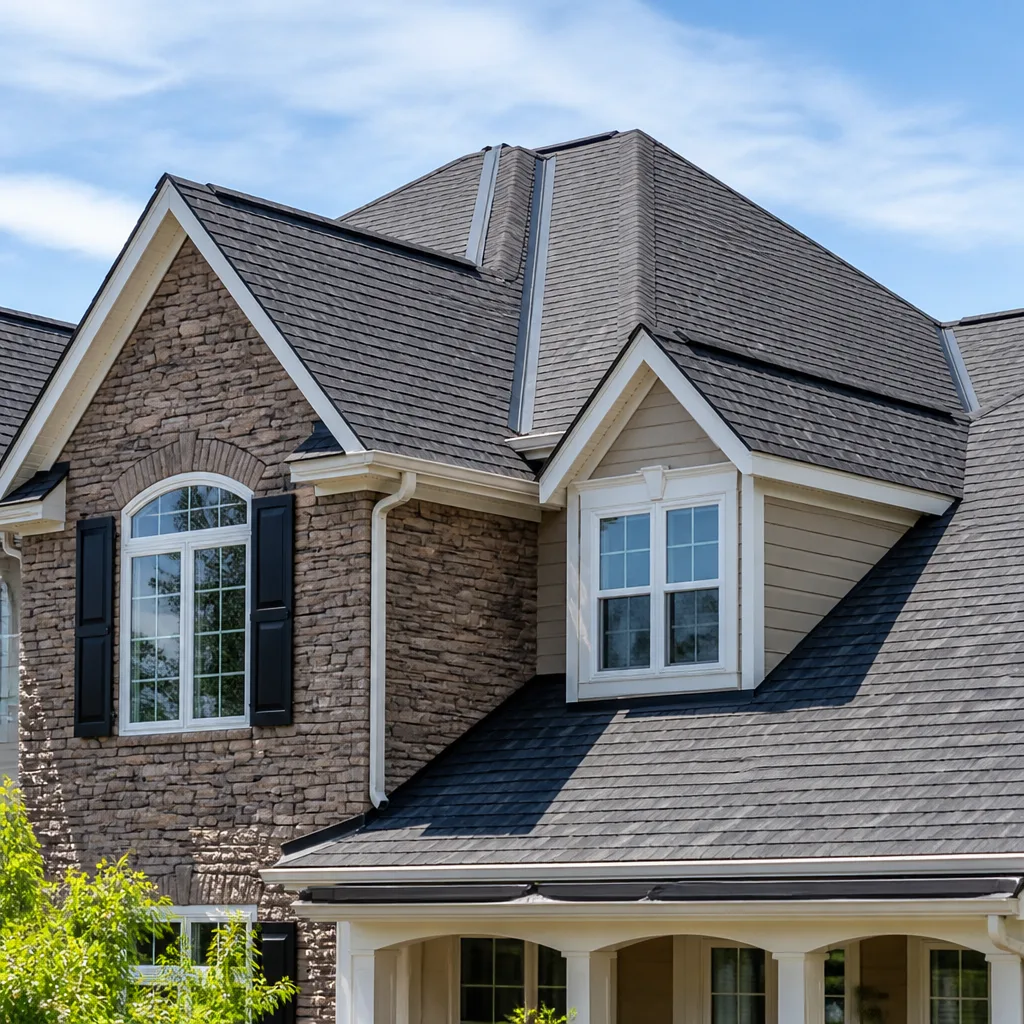 Architectural shingles
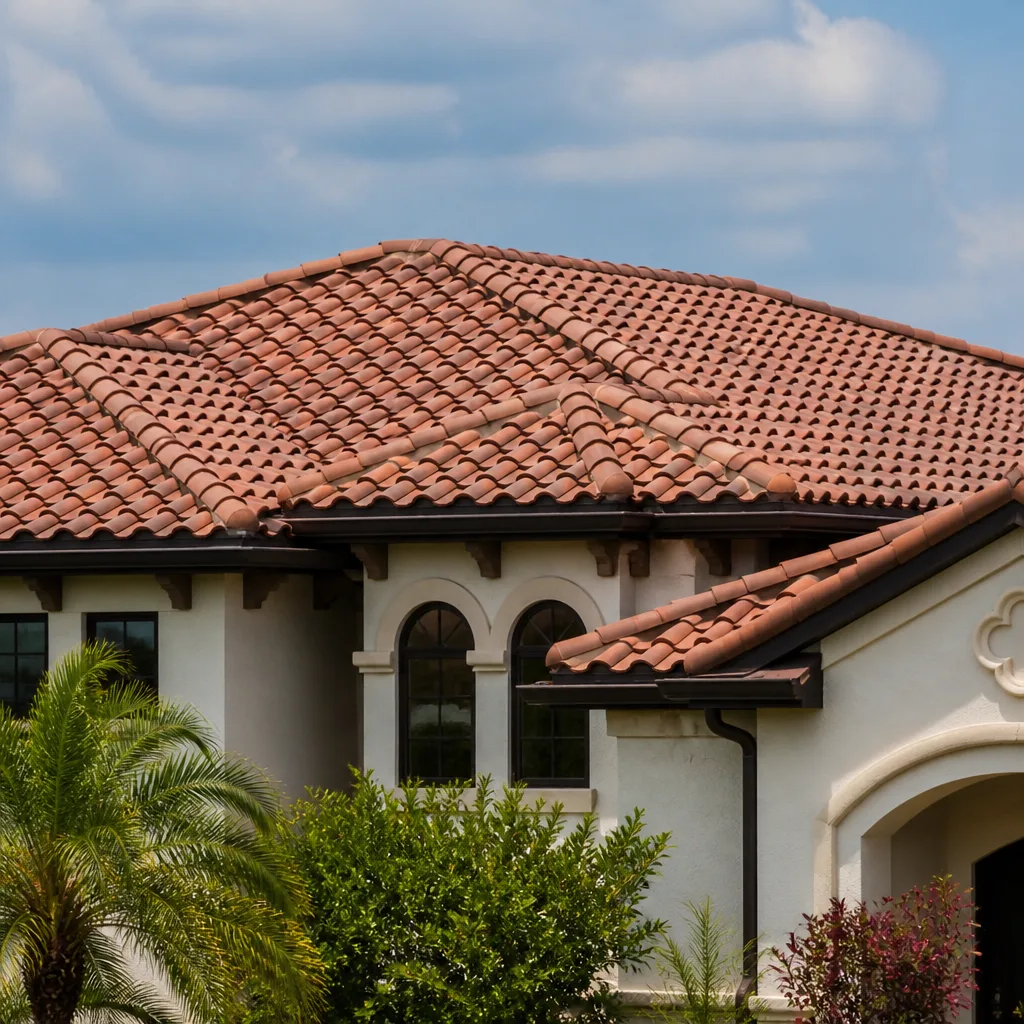 Tile roofing
 GAF
 Owens Corning
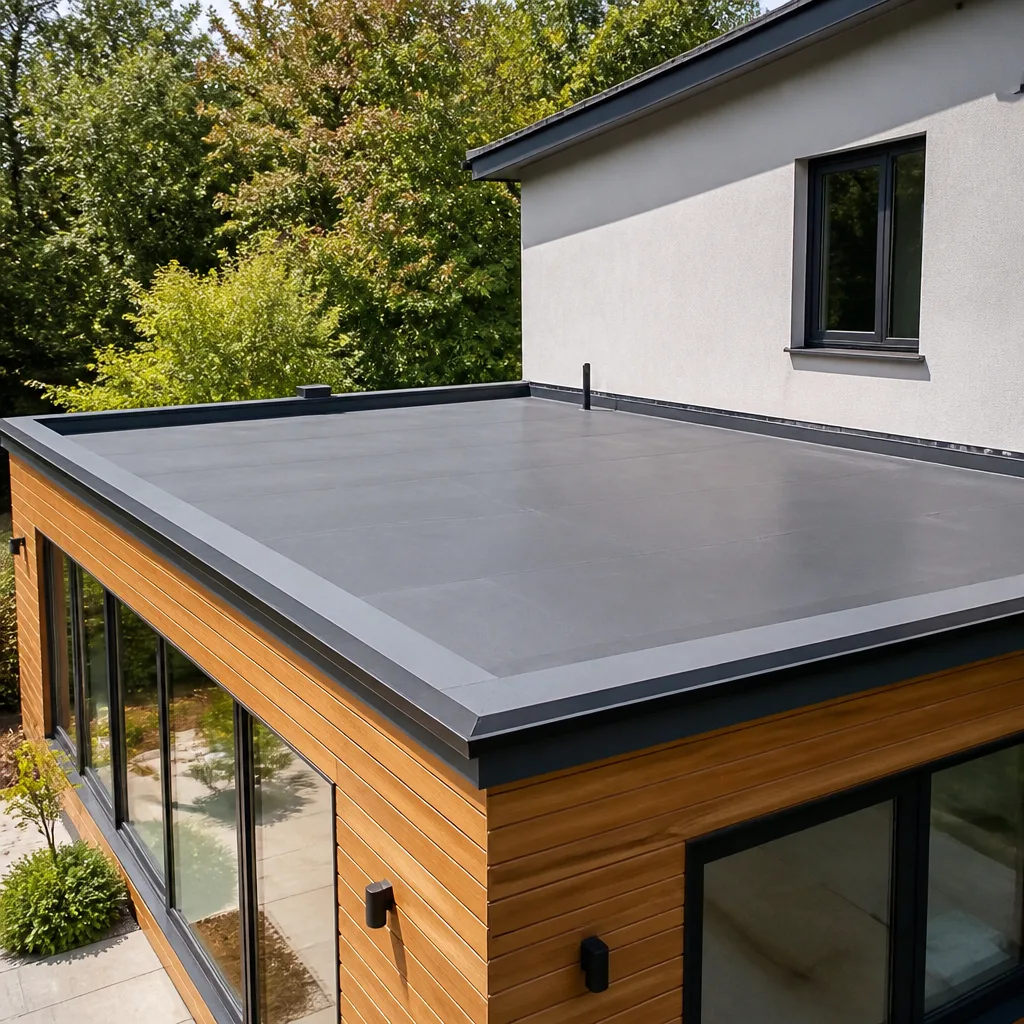 Flat & low-slope
Free roof inspection with deck photos before we talk money - GAF and Owens Corning certified installation
DIY vs Professional Roofing: The Ventura Homeowner’s Decision Guide
Most homeowners frame this decision as a price question: can I save money by doing it myself? In Ventura, the more useful frame is risk exposure. A roof repair done without a permit isn’t just a physical gamble on a ladder. It’s a piece of undocumented work that attaches itself to your property record and can surface years later, when the patch looks perfectly fine, during a buyer’s inspection or an insurance claim review. That’s the part nobody mentions in the Saturday morning home-improvement aisle. This guide walks through what California actually permits a homeowner to do, how standard homeowner policies treat “improper installation,” where DIY honestly makes sense, and how the math breaks down once you count tools, permits and time instead of just labor.
Quick Answer
In Ventura, replacing a single visible shingle, clearing debris, or re-caulking a flashing edge is generally something a careful homeowner can do. Anything that involves the roof covering as a system, structural decking, or a repair large enough to require a permit is work for a licensed roofer, because unpermitted work creates insurance and real estate disclosure problems that outlast the repair itself. The honest rule: if you’d need a permit to do it legally, you’ve also crossed the line where the liability outweighs the savings.
Styles & brands we work with
- Architectural shingles
- Metal roofing
- Tile roofing
- GAF
- Owens Corning
- Flat & low-slope
Table of Contents
- What DIY Roofing Work Is Actually Legal in Ventura?
- How Does Homeowners Insurance Treat a DIY Roof Repair?
- Why Unpermitted Roof Work Follows a House After the Sale
- Where DIY Genuinely Makes Sense
- The Real Break-Even Math on DIY vs Professional
- Can You Diagnose a Roof Problem Yourself?
- The Safety Line You Shouldn’t Cross
- What Ventura’s Climate Actually Does to Roofs
What DIY Roofing Work Is Actually Legal in Ventura?
California allows homeowners to perform work on their own residence, but “allowed to swing a hammer” and “allowed to do it without a permit” are two different permissions. The dividing line runs through the building permit, not through your comfort level on a ladder. Most cities, Ventura included, require a permit for reroofing and for repairs that go beyond minor patching, so the practical question is whether your task falls into routine maintenance or into permitted construction.
Here’s how the split usually works in practice:
- Generally routine maintenance (no permit): clearing debris from valleys and behind flashing, replacing a single cracked or missing shingle, re-sealing a lifted edge with roofing caulk, tightening or replacing a vent cap, clearing a downspout connection.
- Usually permit territory: replacing more than a small patch of roofing material, any work that touches the underlying sheathing or deck, re-flashing a chimney or skylight, or anything that changes the roof covering on a meaningful portion of the roof.
- Always licensed-contractor work: structural repairs to rafters or decking, and any job where the scope crosses into what the state treats as a contractor-level project.
California also restricts who can legally contract for roofing work. A person who takes on roofing projects for pay above a modest threshold must hold a contractor license, which means a “handyman” offering to reroof your Ventura home for cash is likely operating outside the law. That matters to you, not just to them, because the license is what triggers the bond, the insurance and the accountability.
The practical move: before you buy materials, call Ventura’s building department and describe exactly what you plan to do. A two-minute phone call settles whether you’re fixing a shingle or stumbling into a permitted project. If the answer is “that needs a permit,” that’s also the answer to whether you should be doing it yourself.
How Does Homeowners Insurance Treat a DIY Roof Repair?
Standard HO-3 homeowner policies cover sudden, accidental damage from a covered peril like wind or a falling limb. They generally do not cover faulty workmanship or improper installation, and that exclusion is where DIY roof repairs get expensive. If your patch fails and water reaches the interior, the insurer can point to the way the repair was executed as the cause of the loss, and the resulting water damage may not be covered.
The language matters because it separates two different events. Storm damage to your roof is a covered peril. Water intrusion that follows a poorly installed patch is a maintenance or workmanship failure, and most policies exclude it. Insurance adjusts the distinction carefully, and it’s the adjuster, not you, who decides which category your claim falls into.
What that means in practice:
- A DIY repair that fails months later can turn a covered interior loss into an uncovered one, because the proximate cause is the installation, not the storm.
- Insurers increasingly ask for documentation of prior roof work when a claim involves the roof. A written invoice and a permit record answer that question cleanly. A homeowner’s memory doesn’t.
- Repeated small claims tied to the same roof area can affect how your policy is renewed, whether or not any single claim was denied.
None of this means your insurer is looking for a reason to deny you. It means the paper trail matters as much as the shingles. A professional repair produces a record: an assessment, a written scope, a material match, and a permit where one is required. That record is exactly what an adjuster wants to see. We can work with your insurer on a documented claim, and the documentation is part of what you’re paying for when you hire a licensed professional.
Why Unpermitted Roof Work Follows a House After the Sale
California requires sellers to disclose known material facts about a property, and unpermitted work is one of them. That obligation doesn’t expire because the work was done years ago or because it looks fine from the street. The disclosure attaches to the property, not to the person who did the work, which means a future seller may be the one answering for a repair the current owner did themselves.
Here’s how the chain usually plays out:
- The repair happens without a permit. It looks good. Nobody thinks about it again for years.
- The house goes on the market. A buyer’s inspector flags the roof, or the buyer’s agent asks for permit history on recent work.
- The seller’s disclosure surfaces the gap. The seller now has to disclose that the work was unpermitted, or risk a claim of nondisclosure after closing.
- The deal renegotiates or stalls. A buyer who was ready to pay full price now wants a credit, a re-roof, or an exit.
In a Ventura market where buyers are already asking careful questions about a home’s condition, a permit gap on the roof is one of the more visible items an inspector will catch. The roof is the first thing a buyer looks at, literally, and inspectors know what newer shingles look like next to older ones.
The reverse is also true: a permitted repair with a written scope becomes a selling point. You can hand a buyer a clean record and the conversation ends there. “One call covers inspection through replacement” isn’t just a convenience pitch; it’s a paper trail you can sell with the house. If you want to understand how a proper repair is scoped and documented, our page on roof repair walks through the process from assessment to signed-off work.
Where DIY Genuinely Makes Sense
There is a real zone where doing it yourself is sensible, saves money, and carries almost no downside. That zone is small, and knowing its edges is the whole skill. When we’ve assessed Ventura roofs, the jobs that homeowners handle well are almost all the same: small, visible, low-risk, and outside the permit line.
These are the tasks where DIY earns its keep:
- Gutter and valley clearing. Debris jammed behind a valley or in a gutter run is a genuine maintenance issue and clearing it needs a ladder more than it needs a roofer. Do it carefully and stay off the roof surface itself if you can.
- A single visible shingle swap. One curled or cracked shingle in an accessible spot can be swapped by a careful homeowner. The catch is matching it, which is why keeping spare shingles from your original install is worth the storage space.
- Minor caulking and sealing. A lifted edge or a small gap around a vent cap can be sealed with the correct roofing sealant. This is maintenance, not construction.
- Clearing debris after a wind event. Branches and leaves off the roof surface and out of the valleys. Do this from a ladder where you can, not by walking the pitch.
Notice what’s not on that list. Nothing that touches the deck. Nothing that involves a flashing tear-out. Nothing that needs more than one or two shingles. The moment your task requires lifting shingles in a pattern, opening the roof surface, or working near a penetration, you’ve left the sensible-DIY zone.
The other honest scope limit: if you can’t match the material, the DIY swap damages the roof’s appearance even when the water stays out. This is where brand-matched work earns its keep. Because we work with GAF, CertainTeed, Owens Corning and several other major lines, we can often match existing shingles during a repair, which preserves both the look of the roof and the continuity of any manufacturer warranty still tied to the original installation. If you’re mid-DIY and can’t source the match, that’s a good time to stop and get an assessment.
The Real Break-Even Math on DIY vs Professional
The headline savings on a DIY roof repair almost always understate the true cost, because most homeowners only count materials and skip everything else. The honest math includes tool rental, retail material markup, permit costs if the work is done correctly, and your own time valued at something. Contractors buy materials at trade pricing and rent or own the tools outright, which is exactly why their labor line feels high until you price the alternatives.
Here’s how the true cost of a DIY repair breaks down:
- Materials at retail. Shingles, underlayment, sealant and fasteners bought at retail cost more than the trade pricing a licensed roofer pays. On a small job the gap is modest. On anything approaching a re-roof it’s significant.
- Tool rental. A nail gun, a shingle cutter, a roof ladder, safety harness and fall protection all add up. Some of these you can’t rent cheaply, and some you shouldn’t skip.
- The permit, if you pull one. Unpermitted work is the whole problem this guide is about, so the honest comparison includes the permit. Pulling it yourself means handling the inspection scheduling and the sign-off.
- Your time. A small repair is a weekend. A larger one is several weekends, plus trips for materials you didn’t realize you needed. That time has a value even if it doesn’t show up on a receipt.
- The failure cost. If the repair doesn’t hold, you’re paying twice, and the second time includes the interior damage the first attempt let through.
Add those lines up and the DIY discount shrinks fast on anything beyond a single-shingle job. On a small maintenance task, DIY genuinely wins. On a permitted repair or a job that touches the deck, the savings rarely survive contact with the true cost.
For a real comparison, a written estimate is the honest starting point, and ours is free. When we quote a repair, we break out the scope line by line so you can see the labor, the materials, and the permit if one is required. Call (833) 946-8911 for a free estimate and a written scope you can compare against your own DIY plan.
Can You Diagnose a Roof Problem Yourself?
A homeowner can spot a problem. Diagnosing one is a different skill, and it’s where the do-it-yourself approach most often goes wrong. You can see a stain on the ceiling and a missing shingle. What you usually can’t see is where the water actually entered, which is often nowhere near either of them.
Water travels. It comes in at a failed flashing joint or a gap at a vent boot, runs along a rafter, and shows up on a ceiling ten feet from the entry point. A homeowner who patches the shingle above the stain has fixed the wrong thing and left the actual leak running. This is the most common pattern we see on Ventura roofs: the visible damage is downstream of the actual failure.
What a proper assessment looks at:
- The flashing at every penetration, chimney and skylight, since these are where most leaks begin.
- The condition of the deck and sheathing, which determines whether a repair is even the right call.
- The age and uniformity of the existing shingles, to judge whether a repair will hold or whether the surrounding field is close to end-of-life.
- The attic side, where staining, daylight and moisture tell a story the roof surface can’t.
Our default is to assess before we recommend. That’s the repair-first approach built into the way we work: we look at what’s failing and ask whether it can be fixed, before anyone talks about a full tear-off. A Hartwell Roof Repair inspection is the same assessment we’d do on a job we’re about to quote, and it tells you whether the fix is small or the roof is done.
The Safety Line You Shouldn’t Cross
Some roofing work is dangerous in a way that no amount of savings justifies. Steep-pitch walking, the edges of a two-story roof and the use of a ladder near a gutter are the parts of this trade that cause serious injury, and the numbers don’t care how careful you are. A roof is a fall hazard first and a construction project second.
This is the part where we ask you to be honest with yourself. The tasks we listed as sensible DIY are all things you can do safely from a stable ladder, preferably low, and preferably with a spotter. Once the job requires you to walk the pitch, work near the edge, or move around the surface while carrying materials, it’s crossed the line. Falls from ladders and roofs are among the more common home-injury patterns, and they happen to careful people.
There’s an electrical dimension too. Roof work brings you near service masts, vent stacks and, on some homes, the very edge of the electrical service. Anything close to the electrical panel or the service drop is work for a trained professional, no exceptions. The same goes for a gas flue: a penetration near a gas vent has to be handled by someone who knows what clearance means. We’d rather you call and pay for an assessment than take a fall or damage a service line to save the labor.
The physical work is one kind of risk. The safety of your home’s systems is another. If a repair touches either, it’s professional work.
What Ventura’s Climate Actually Does to Roofs
Ventura’s weather is gentle in the winter and hard on roofs in the sun. There’s no freeze-thaw cycle to worry about and no ice dams, but the long dry season and steady UV exposure take their own toll. Asphalt shingles age by losing their surface granules and drying out, and a roof that sits in the sun does that faster than the same roof in a milder climate. That’s the local pattern we work around.
What that means for a DIY decision:
- Sun-brittled shingles crack when you lift them. A homeowner trying to lift a shingle to slide a new one under it often breaks the neighbor, turning a one-shingle job into a three-shingle job. On an older, sun-dried roof this happens easily.
- Seasonal wind and the occasional rain event are the trigger moments. Most leaks show up during or after a storm, and the smart plan is to fix the issue in the dry stretch, not in the middle of a downpour.
- Dry conditions make debris in valleys and gutters a real hazard. Clearing it is maintenance rather than repair, and it’s the single highest-value task a homeowner can do on a Ventura roof.
None of this is dramatic. It simply means the local roof wears in a predictable way, and the sensible-DIY tasks are the ones that address that wear without touching the roof as a system. When you’re ready to look at the bigger picture, our Ventura page covers how we handle the full lifecycle of a local roof, from inspection to replacement. And when a roof is genuinely at the end of its life rather than just weathering, roof replacement is the conversation, and we’ll have it honestly, with a material choice rather than a single forced option.
On material choice, the local angle is straightforward. Roofs here live in strong sun, so granule loss and heat performance matter more than cold-weather ratings. We install and repair across lines including GAF, CertainTeed, Owens Corning, IKO, Atlas, Tamko and Boral, which means we can match the material to the job and to the existing roof instead of pushing whatever’s already loaded. Your roof, your material choice.
Common Mistakes to Avoid
- Patching above the stain instead of at the leak. Water runs along rafters, so the entry point is usually uphill of the visible damage. Patch the entry, not the symptom, or you’ll be back on the roof next storm.
- Doing a permit-level repair without a permit. In Ventura that creates a disclosure problem that follows the house, even when the work looks perfect. If the building department says it needs a permit, that settles it.
- Mismatching shingles on a visible patch. A color or profile mismatch is visible from the street and can void the continuity of any manufacturer warranty still tied to the roof. Match the material or call for help matching it.
- Not documenting the repair. An invoice, a photo, and a permit record are what an insurer or a buyer wants to see. A repair with no paper trail is a repair you may have to redo or explain away later.
- Lifting shingles on an old, sun-dried roof to save one shingle. The neighbor shingles crack and the small job becomes a mid-sized one. On an older Ventura roof, don’t lift more than you have to.
- Skipping the attic check. The underside of the roof tells you whether a repair will hold or whether the deck is failing, and that’s the difference between a fix and a tear-off.
- Hiring an unlicensed “handyman” for roofing work. California restricts who can legally contract for roofing, and an unlicensed operator leaves you holding the liability if anything goes wrong.
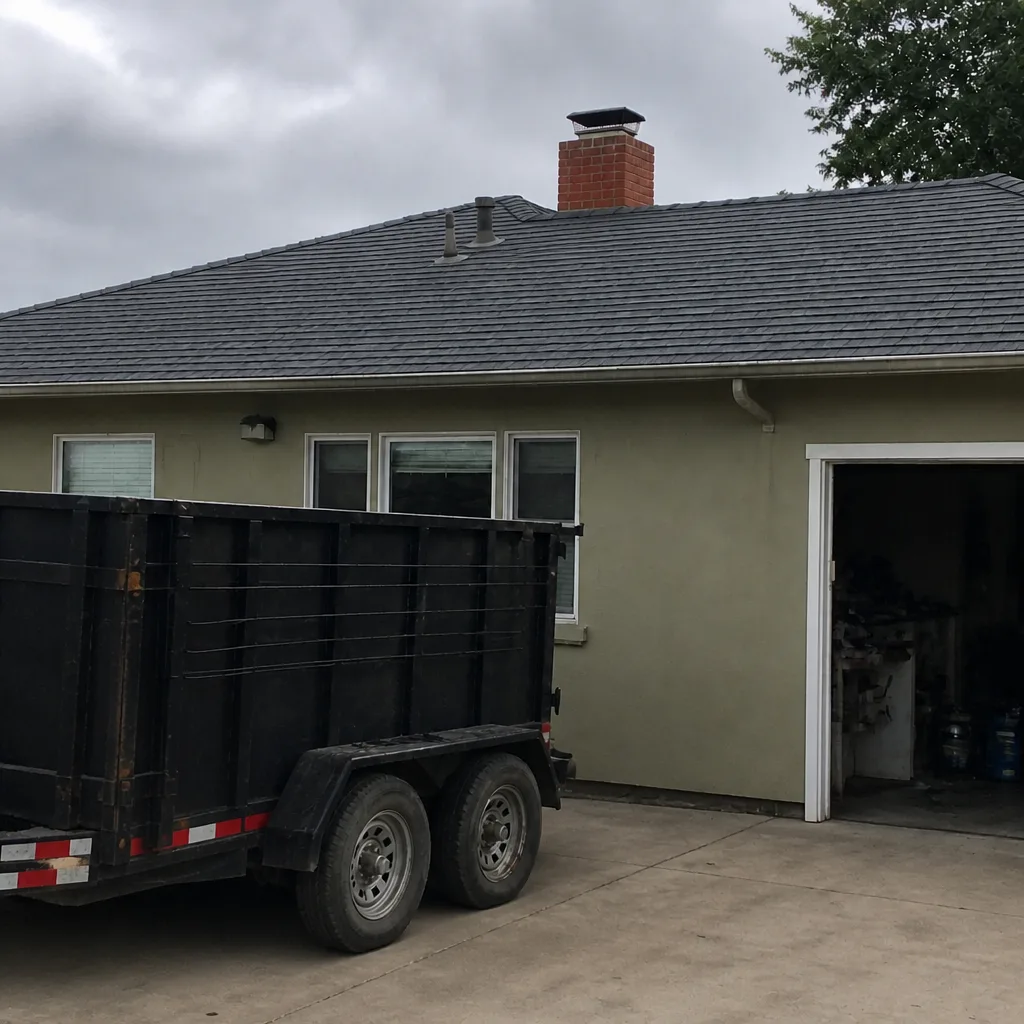
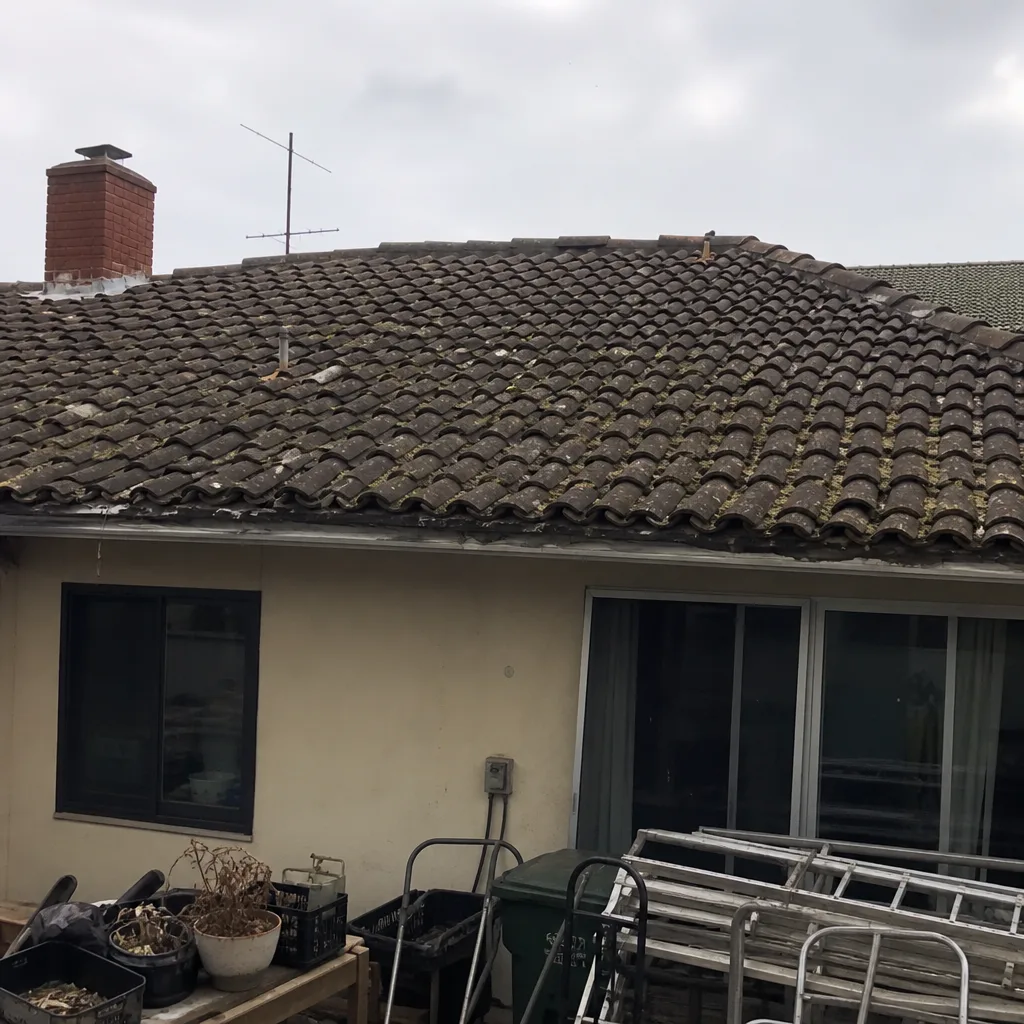
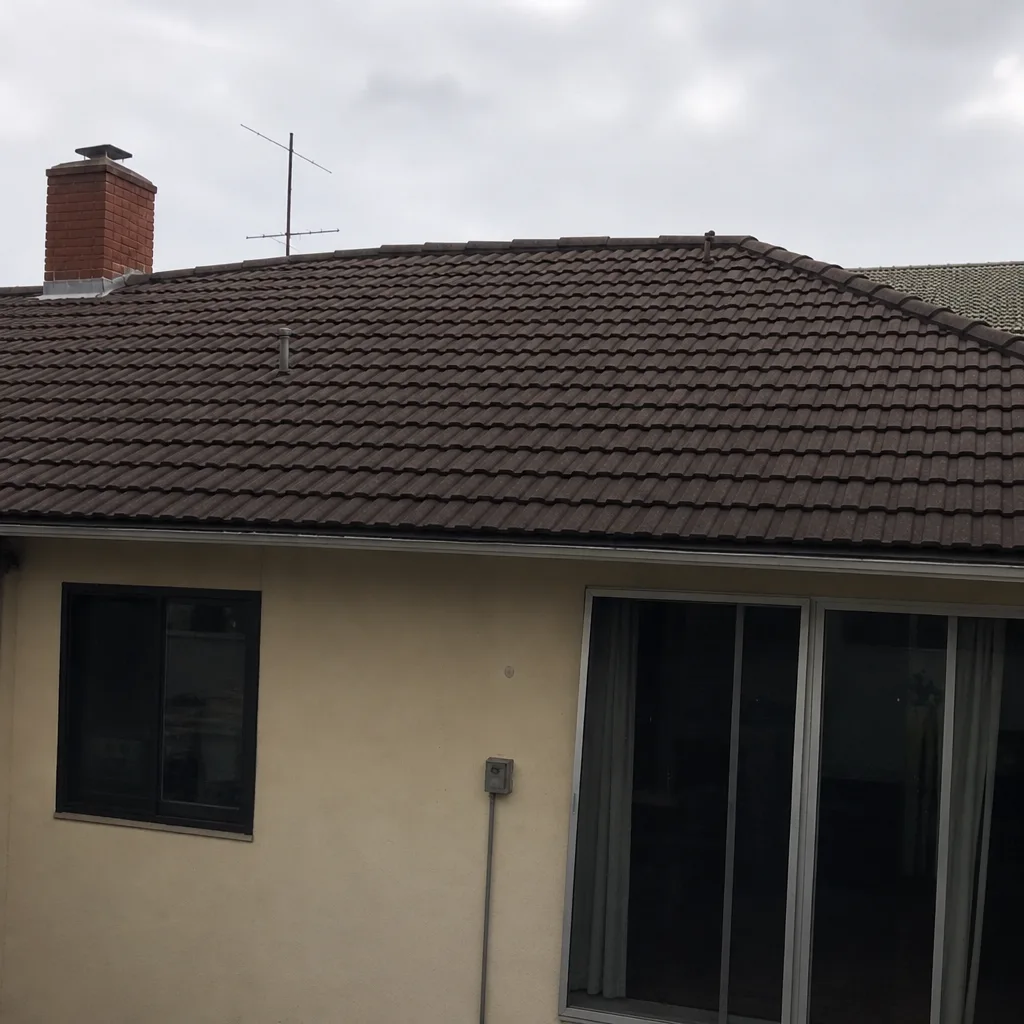
See the difference
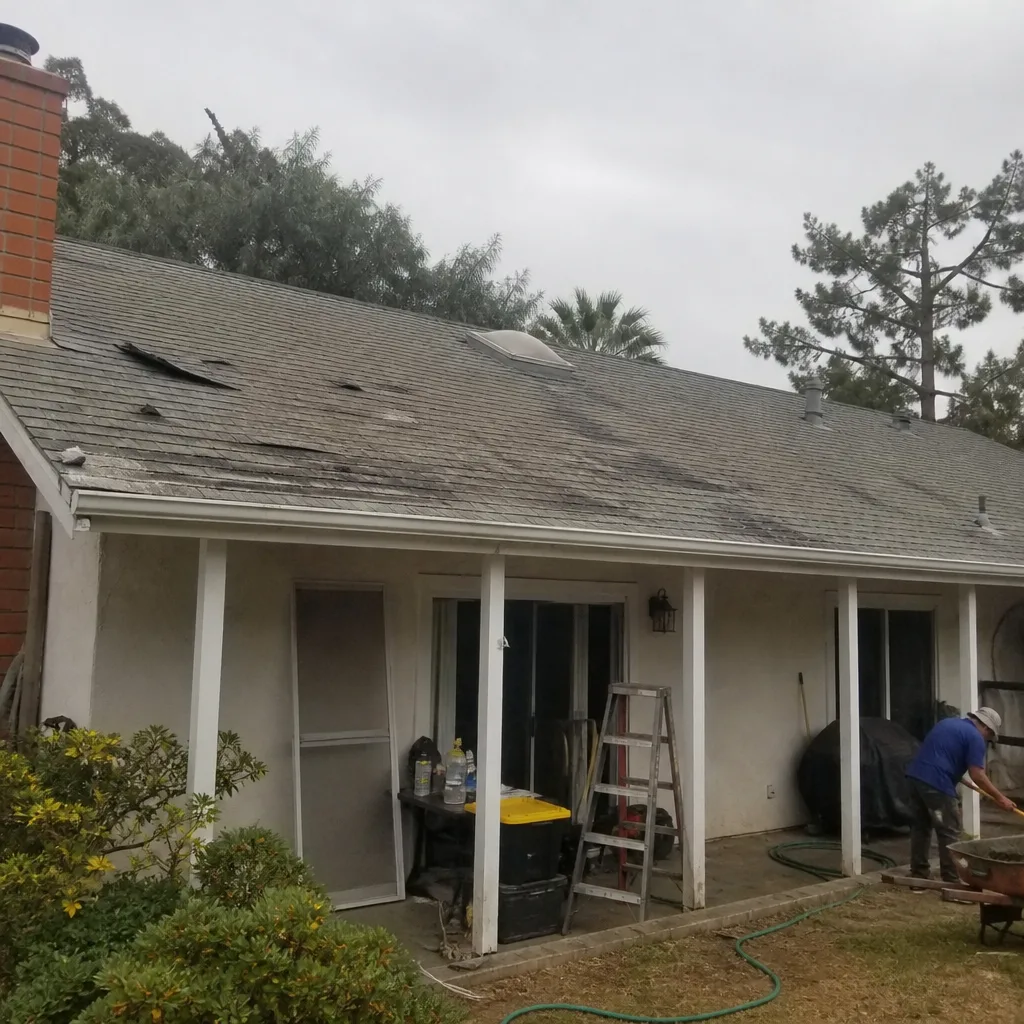 Before
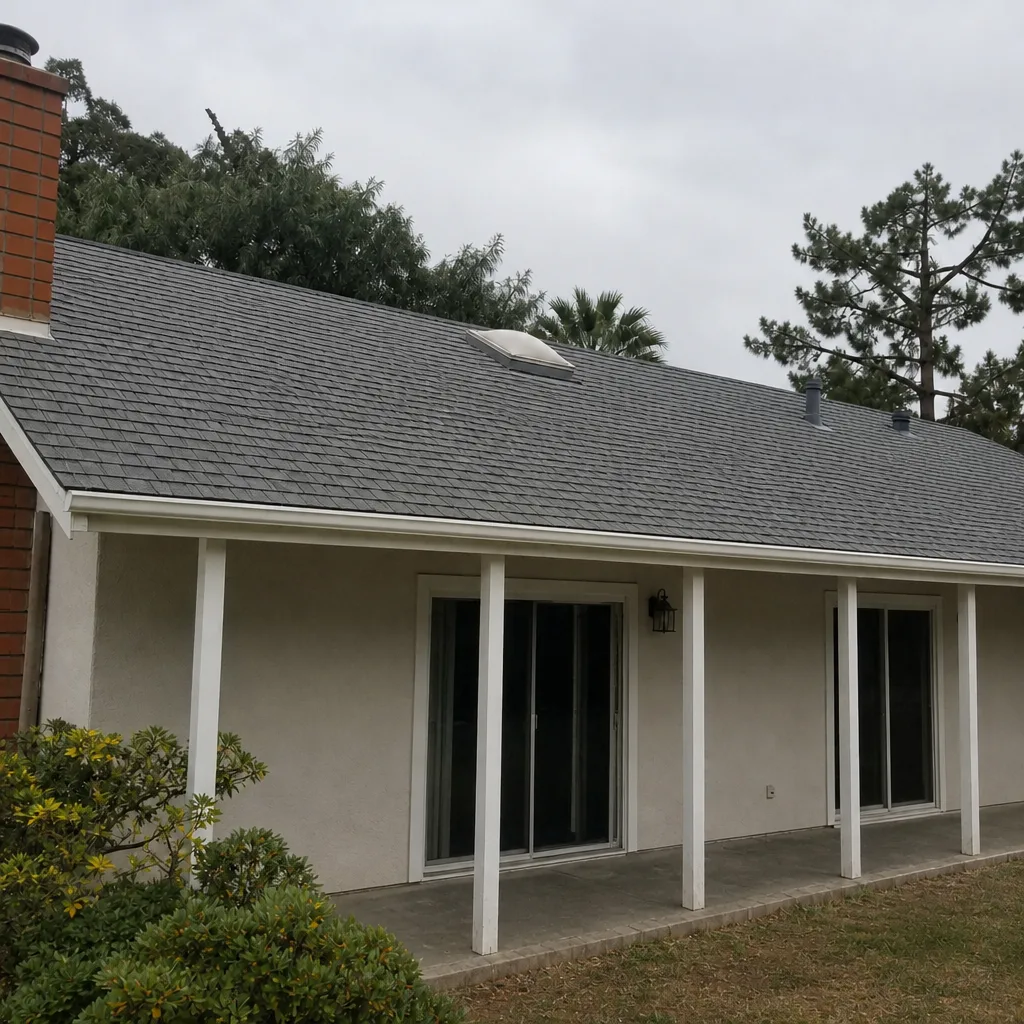 After
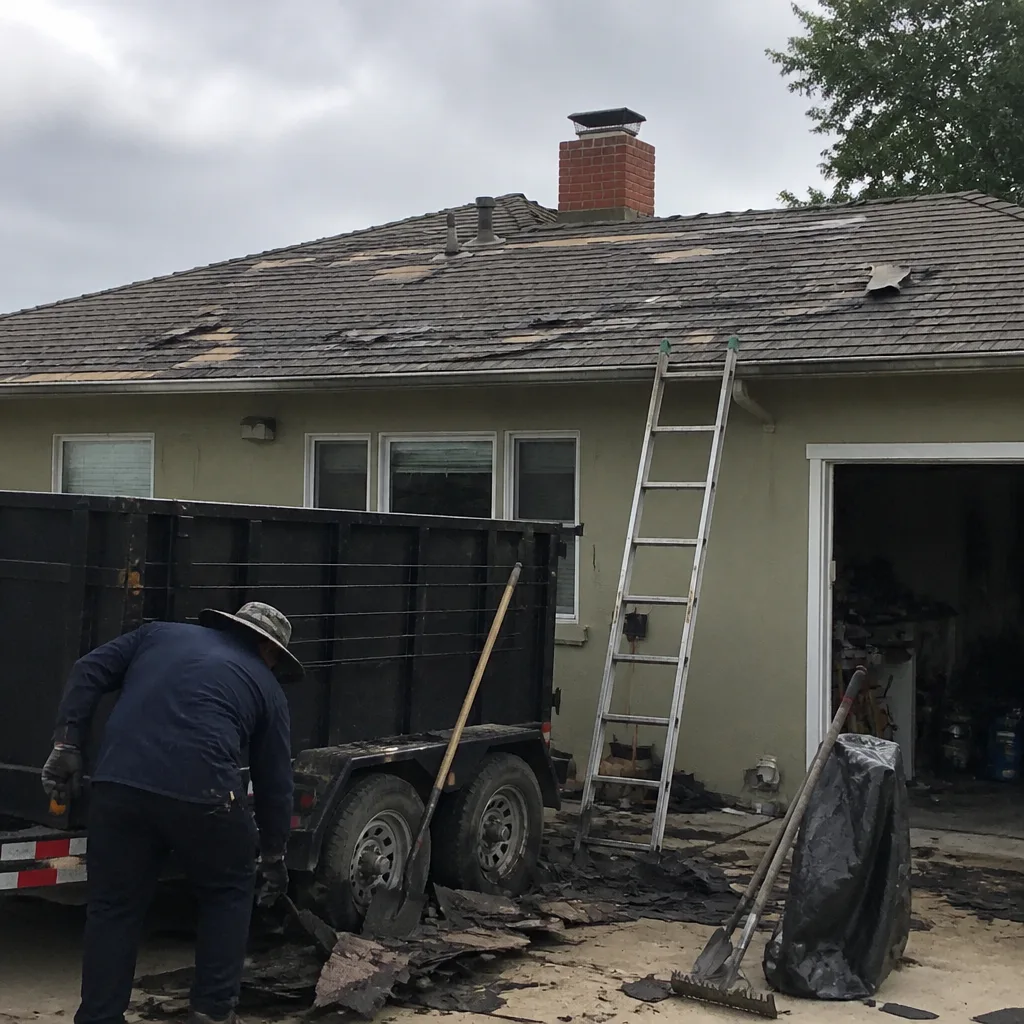 Before
 After
 Before
 After
When to Call a Professional
Call a professional when the work needs a permit, touches the deck or a flashing tear-out, involves the chimney or skylight, sits near the electrical service or a gas flue, or when you’d have to walk the pitch to do it. Call when your patch hasn’t stopped the leak, when the stain is growing, or when you can’t match the material. Call before a home sale if any roof work was done without a permit, so you know what you’re disclosing. Hartwell Roof Repair offers free estimates in Ventura: call (833) 946-8911. Our technicians have up to 12 years of experience, we’re licensed and insured, and every estimate is a written, line-item scope so you can compare it honestly against your own plan. We answer 24/7. Fast dispatch from 7am to 7pm, Sunday through Friday. If you call outside those hours, we book you into the next opening.
Frequently Asked Questions
Yes, for routine maintenance like clearing debris, replacing a single shingle, or re-caulking a lifted edge, and no permit is generally needed for those. Anything that requires a building permit, touches the deck, or crosses into contractor-level work should be done by a licensed roofer. The dividing line is the permit, so call Ventura’s building department and describe the task before you start.
Usually not, because standard HO-3 policies exclude faulty workmanship and improper installation. Storm damage is a covered peril; water damage that follows a poorly installed patch is generally treated as a workmanship failure, not a covered loss. If you’re mid-repair and unsure, call (833) 946-8911 for an assessment before the damage spreads.
Yes, California’s disclosure requirements attach to known material facts about the property, and unpermitted work is one of them. The obligation follows the property regardless of when the work was done, so a future seller can be the one answering for it. A permitted repair with a written scope avoids the problem entirely; get a free estimate and a written scope by calling us.
We set the price per job by written estimate, because the scope varies so much from a single-shingle patch to a flashing rebuild. That’s why the free estimate comes with a line-item scope you can compare directly against your DIY costs. Call (833) 946-8911 and we’ll put the numbers on paper.
It depends on the job, but the practical line is the permit. Once a task needs a permit, the savings from DIY rarely survive the cost of tool rental, retail materials, the permit itself and your own time, before you count the failure risk. On a single visible shingle or a caulking job, DIY usually wins. Call us for a free estimate on anything larger.
Often yes, which is why brand-matched repairs matter. Because we work with GAF, CertainTeed, Owens Corning, IKO, Atlas, Tamko and Boral, we can usually find the closest match to what’s on your roof, which preserves both the look and the continuity of any manufacturer warranty still tied to the original install. Call (833) 946-8911 to schedule a free assessment and we’ll tell you what matches.
The Bottom Line
In Ventura, the DIY vs professional roofing decision is less about labor cost and more about what you’re exposing yourself to. Routine maintenance like gutter clearing, a single shingle swap and minor caulking is fine to do yourself, and we’d rather you keep up with it than let the roof sit. Everything that needs a permit, touches the deck, or sits near a service line belongs to a licensed roofer, because unpermitted work creates an insurance and disclosure problem that follows the house long after the patch looks fine. Price the real math before you climb, and let a written estimate be your baseline. That’s the whole guide: do the small stuff, and call for the rest.
When you’re ready to know for certain, we’re here for the assessment. We assess before we recommend, we repair when repair is the honest answer, and we work with seven major manufacturer lines so you get a material match rather than a forced upsell. One call covers inspection through replacement, and Hartwell stands behind the work by name. Call (833) 946-8911 for a free estimate. We answer 24/7. Fast dispatch from 7am to 7pm, Sunday through Friday.
Written by the team at Hartwell Roof Repair.