
Last updated November 16, 2026
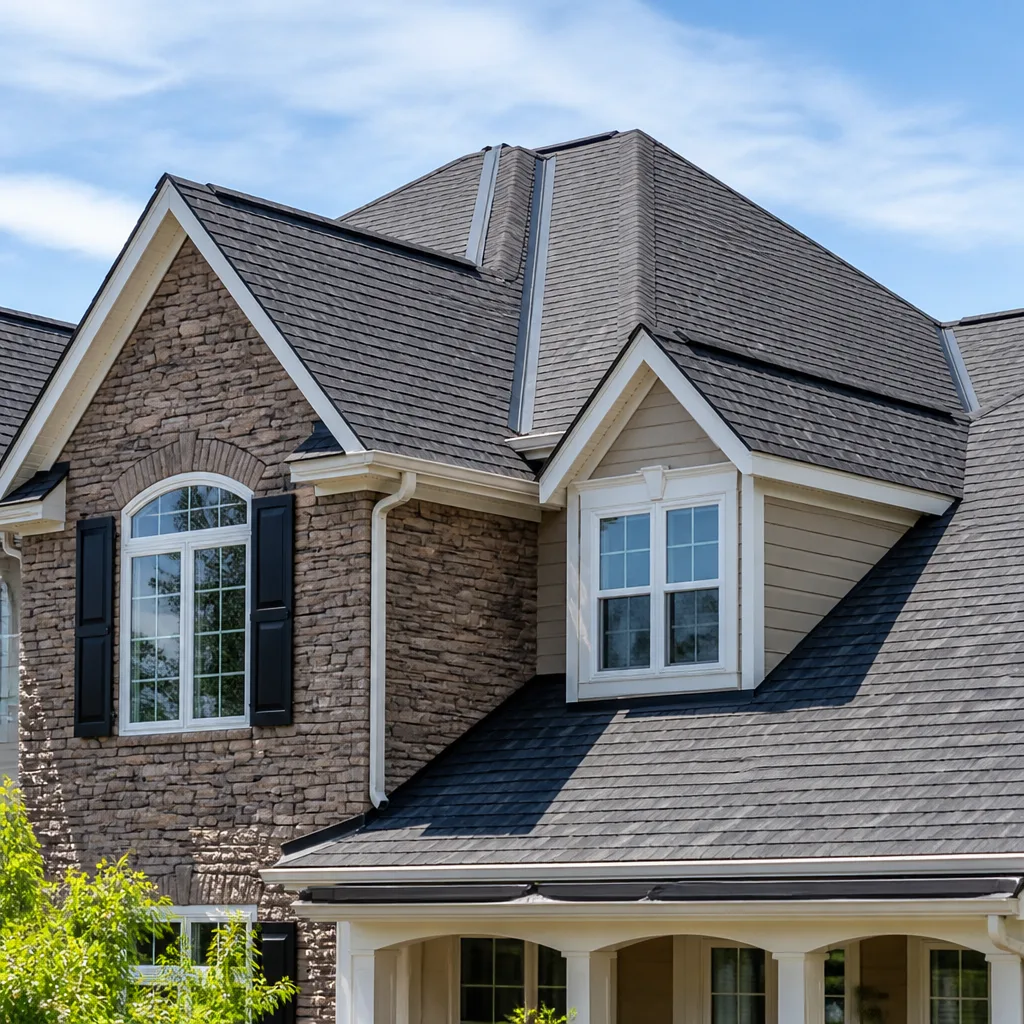 Architectural shingles
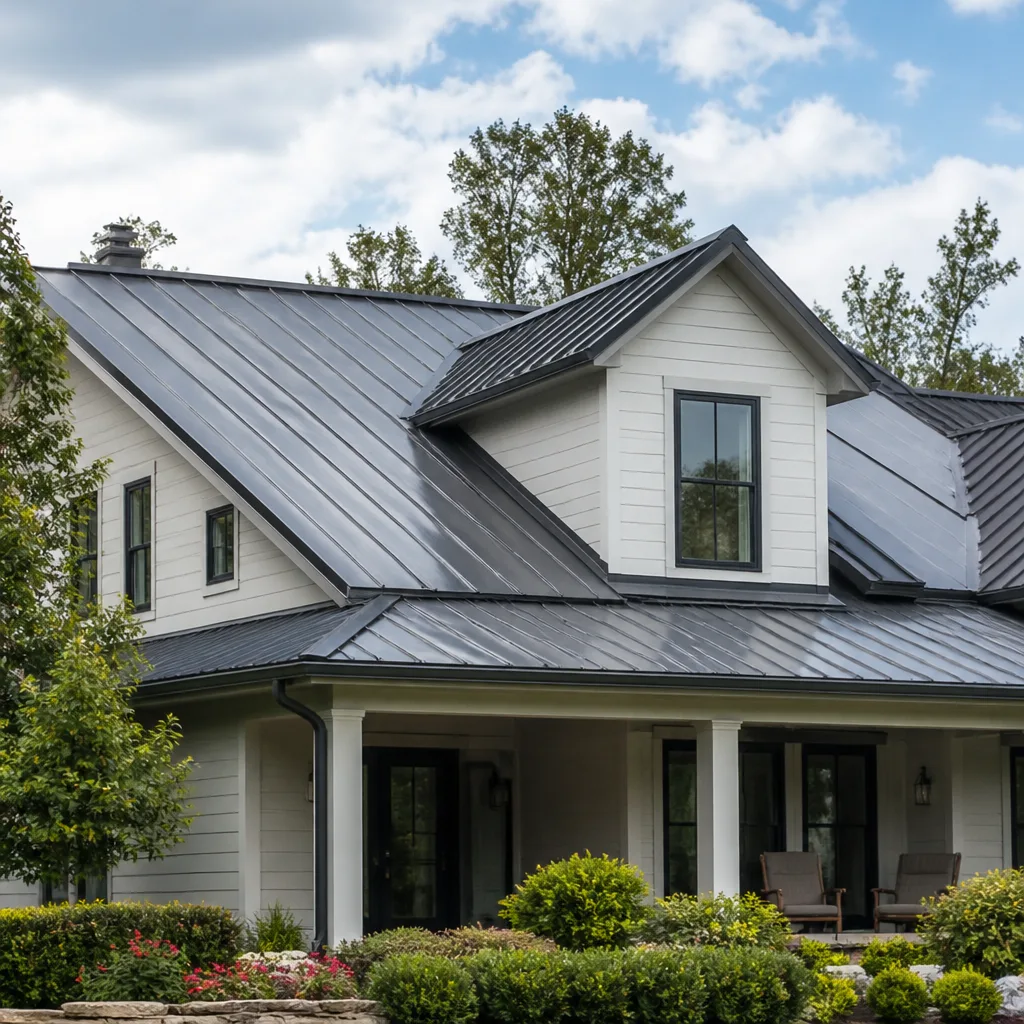 Metal roofing
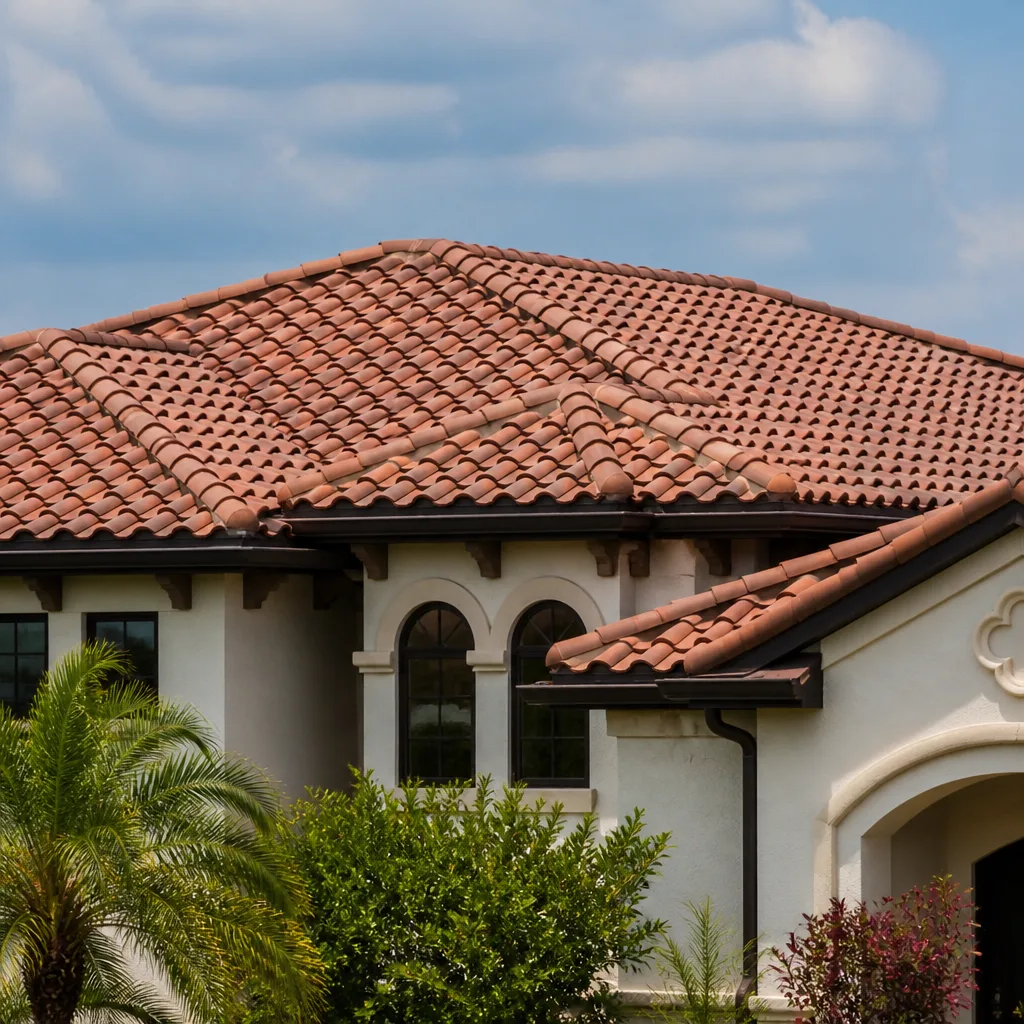 Tile roofing
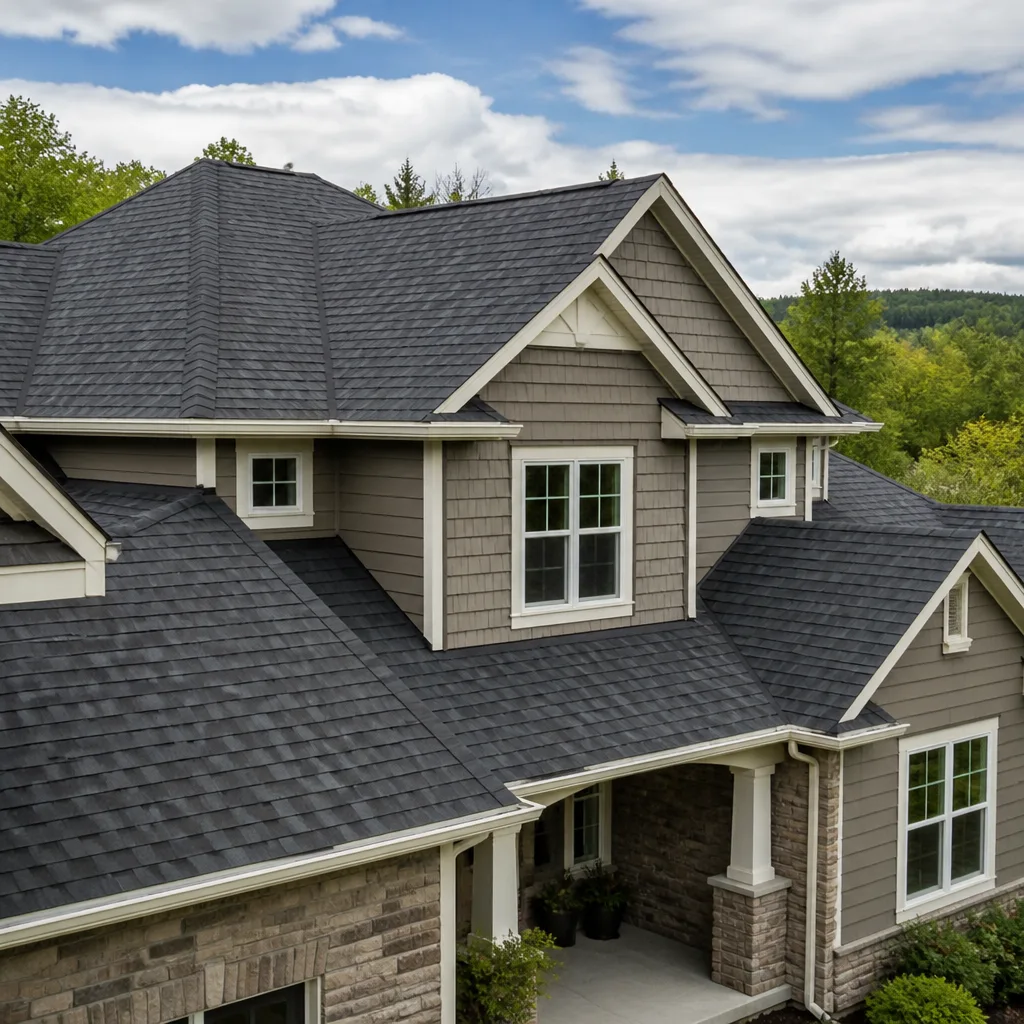 GAF
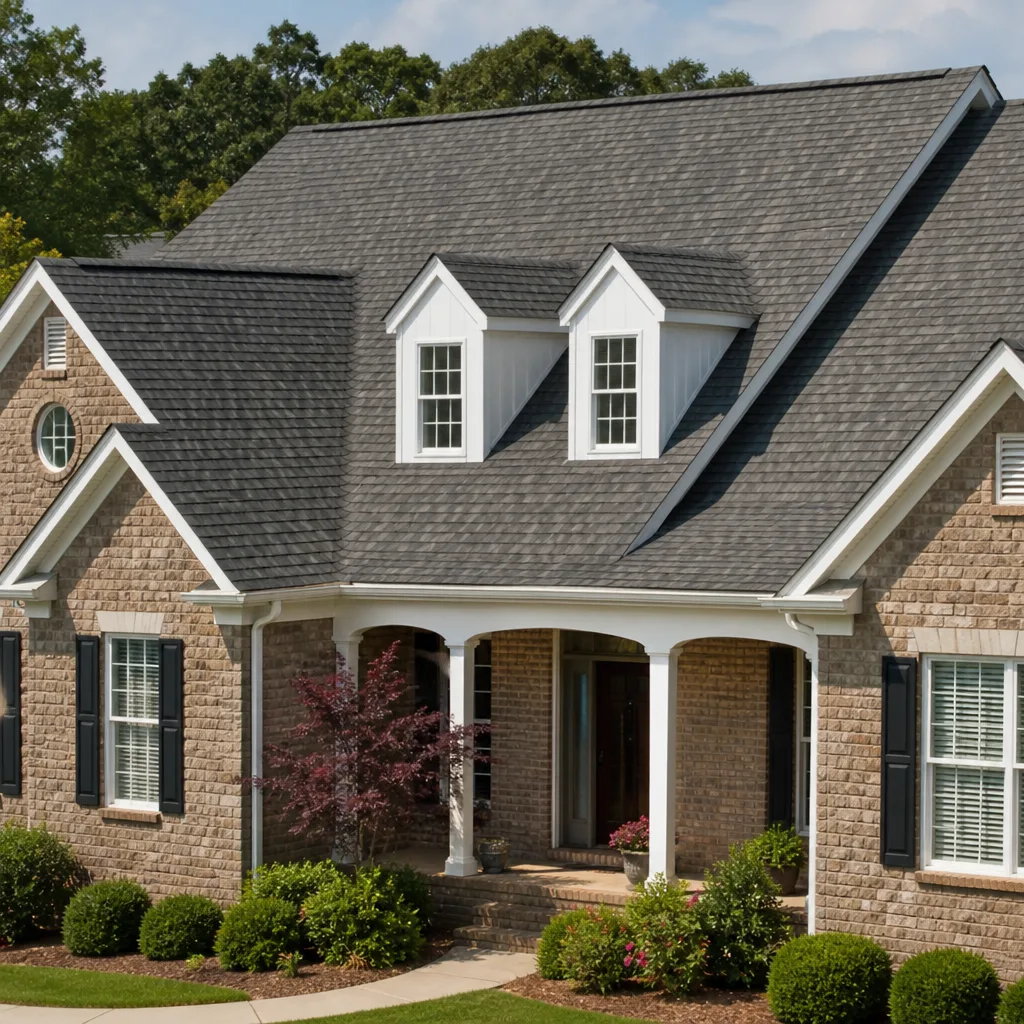 Owens Corning
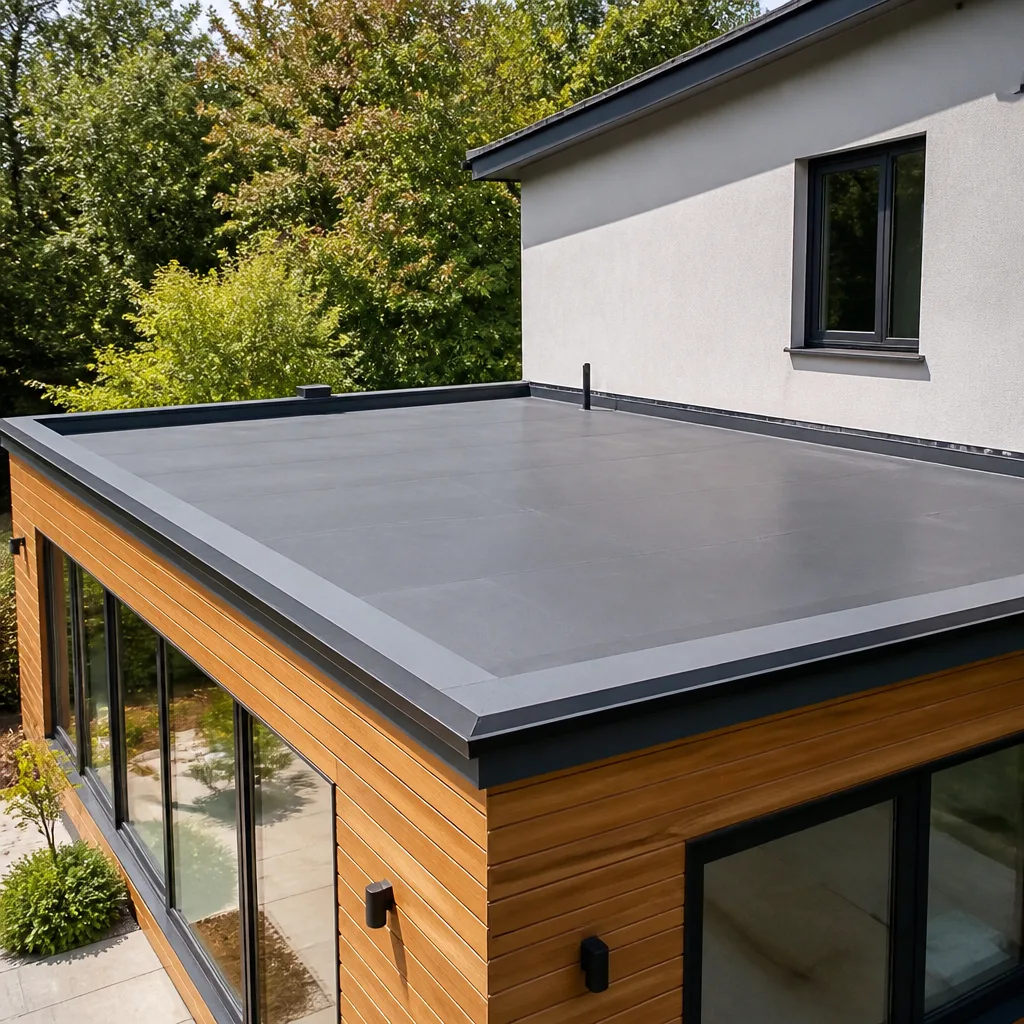 Flat & low-slope
Free roof inspection with deck photos before we talk money - GAF and Owens Corning certified installation
The Complete Roof Repair Guide for Ventura Homeowners
Most Ventura homeowners discover their roof is failing during the first real rain of November. But the damage that caused it started in June. The marine layer that keeps our summers comfortable also keeps shingles damp longer than inland roofs ever stay damp, and that slow, quiet moisture cycle is what loosens granules, works into flashing seams, and turns a small worn spot into a leak by fall. The repair you’re pricing in January was almost certainly earned over the summer, which is exactly why timing matters more than most people realize. This guide walks you through the full repair decision, from the first water stain to knowing when repair stops making financial sense, with the local details that change the answer here in Ventura.
Quick Answer
Roof repair in Ventura usually means finding and fixing the actual failure point, not replacing the whole roof. A proper repair starts with a full inspection, matches materials to your existing shingles where possible, and comes with a written scope before any work begins. Most roofs can be repaired rather than replaced, and the honest test is whether the damage is isolated or the whole roof is at the end of its service life. If you’re unsure which side of that line you’re on, that’s what an inspection settles.
Styles & brands we work with
- Architectural shingles
- Metal roofing
- Tile roofing
- GAF
- Owens Corning
- Flat & low-slope
Table of Contents
- Why Ventura Roofs Age Differently
- The First Signs of Roof Trouble and What They Mean
- What a Real Roof Inspection Covers
- Repair, Patch, or Replace: The Decision Framework
- What Roof Repair Costs in Ventura
- Permits, Title 24, and What Triggers Re-Inspection
- Documenting Your Roof for Insurance
- Matching Materials and Why It Matters
Why Ventura Roofs Age Differently
Ventura’s climate is mild, and mild is easy to misread as gentle on a roof. It isn’t. What makes roofs here age on a different schedule than inland California is the marine layer: the low cloud and damp morning air that hangs over the city and the surrounding hills through much of the year. Inland roofs dry out fast after a rain. Ventura roofs often stay damp into the morning and sometimes well into the day, and shingles don’t like staying wet. That lingering moisture is what breaks down the bond between granules and the asphalt beneath them, so granule loss happens gradually and then suddenly, and it tends to happen on the shaded and north-facing planes first.
The other factor is wind. Ventura County sits in a wind zone that shapes how roofs are built and how repairs need to be done, which our technicians see on nearly every inspection. Wind doesn’t just tear shingles off in a storm. It works at the edges and ridges and around penetrations over years, lifting a corner here, cracking a seal there, and giving water a way in far from where you’d notice it. A repair that ignores the wind zone might hold for one season and fail the next. A repair built for it holds for years.
What this means for inspection timing
Because the damage builds through the dry months, late summer and early fall are the best time to look at a Ventura roof. A roof that gets a clean inspection in September rarely surprises anyone in January. If you’ve noticed anything at all, a roof repair inspection before the rainy season starts is cheaper than almost any water damage it prevents.
The First Signs of Roof Trouble and What They Mean
Most leaks announce themselves long before water comes through the ceiling. The trick is knowing which signs matter and which ones can wait. Here’s what we look for and what each sign usually tells you.
- Granules in the gutter or at the downspout base. Some granule loss is normal. Heavy loss on one plane tells you that section is aging faster than the rest, which is often repairable.
- Dark streaks or discoloration on the shingles. Usually a sign of moisture retention, common on shaded Ventura roofs. It doesn’t always mean failure, but it deserves a look.
- Curling or lifted shingle edges. A sign that the adhesive seal has broken down, often from wind cycling. Lifted edges are where wind-driven rain gets in.
- Ceiling or wall stains. Water is already inside. The entry point is often several feet from the stain, which is why guessing at the source wastes time.
- Rusty nails or stains at penetrations. Flashing around vents, chimneys, and skylights is one of the most common failure points on Ventura roofs.
- Daylight or dampness in the attic. A strong sign, and one you can check yourself without getting on the roof.
One rule we’d give any homeowner: never get on the roof yourself to investigate. A wet or aged roof surface is unpredictable, and the fall risk is real. Look from the ground, check the attic, and let a trained professional do the rooftop inspection. That’s not caution for its own sake. It’s how the job stays a repair instead of an injury.
What a Real Roof Inspection Covers
A proper inspection is the most important part of any repair, and it’s the part most likely to get skipped. A five-minute walk across the roof isn’t an inspection. What a real one involves:
- A full walk of every roof plane, not just the area over the leak. Water travels, and the source is often uphill or sideways from the stain.
- Attic review, looking for staining, damp sheathing, and daylight where there shouldn’t be any.
- Flashing and penetration check at every vent, chimney, valley, and skylight, because these are where most leaks begin.
- Edge and ridge assessment for wind damage and seal failure.
- A written report that identifies what’s failing, what’s still sound, and what each repair option costs.
We assess before we recommend. That order matters. A diagnosis-first inspection tells you whether you’re looking at a repair or a replacement, and it gives you something in writing to compare against any other opinion you get. If you’ve had two contractors tell you two different things, a written inspection is how you settle it.
Repair, Patch, or Replace: The Decision Framework
This is the question every homeowner eventually asks, and the honest answer depends on where the damage sits and how much roof life is left. Here’s the framework we use, in plain terms.
Patch
A patch is right when the failure is isolated: one flashing seal, one lifted section, a single damaged shingle. It’s the least expensive option and the right one when the rest of the roof is sound. Patch work is also the shortest-lived option if the surrounding shingles are near the end of their life.
Targeted repair
Targeted repair is right when a whole section or plane is failing while the rest of the roof has useful life left. This is where material matching matters, and where careful work pays off. A section repaired with matching shingles protects both the look of the roof and any manufacturer warranty that may still apply to the rest of it.
Full replacement
Replacement is the right call when the damage is widespread, when the roof is past its service life, or when repairs would only delay the inevitable in the same season. It’s also the honest recommendation when repeated repairs have already cost more than they’ve saved. The financial test is straightforward: if the repair cost is a meaningful fraction of replacement cost and the roof is already aging, replacement usually makes more sense over the next several years.
Our default is repair-first. The company name says it: we fix what’s failing before recommending a full tear-off, because most homeowners facing a leak don’t need a new roof, they need the actual failure found and fixed. When replacement is the right answer, we say so plainly and walk through the roof replacement options. One call covers you from inspection through replacement, so you’re never juggling two contractors with two different diagnoses.
What Roof Repair Costs in Ventura
Roof repair cost depends on the failure, the roof’s material, and how accessible the damaged area is. The ranges below reflect what we typically see for common repairs in the Ventura market. They’re estimates to help you budget, not a quote. Your written estimate sets the final price.
| Repair type | Typical estimated range |
|---|---|
| Minor flashing or seal repair | Lower end, single penetration or edge |
| Shingle patch, isolated area | Mid range, one plane or section |
| Section repair with matched shingles | Higher mid range, one full plane |
| Leak diagnosis and repair | Estimate after inspection |
| Full roof replacement | Quoted after inspection |
We don’t publish dollar figures we can’t stand behind on your specific roof, and we won’t. What we will do is put the scope and the price in writing before any work starts. The estimate is free, and the number on the estimate is the number we hold to, with no change orders once the job begins. If you want a real number for your roof, call (833) 946-8911 and we’ll get an inspection scheduled. We answer 24/7. Fast dispatch from 7am to 7pm, Sunday through Friday.
Permits, Title 24, and What Triggers Re-Inspection
Most cities require a permit for roof work beyond basic repair, so ask your city’s building department about your specific job. Ventura County and the City of Ventura both have their own permit processes, and California’s Title 24 energy standards apply to roof replacement in ways they usually don’t to a straightforward repair. The practical takeaway: small repairs rarely trigger the full process, while replacing the roof or changing the roof assembly usually does.
What that means for you:
- Basic repair (patching a leak, resetting flashing) generally doesn’t require a permit.
- Replacing a large section or the full roof typically does, and can trigger a re-inspection against current energy standards.
- Changing the roof covering or assembly is the point where Title 24 compliance usually comes into play.
Any contractor who tells you a permit isn’t needed for a full replacement is telling you something you should question. We pull permits where they’re required and we don’t start a permitted job without them. That protects you when you sell the home and when an insurer asks about the work. If you’re unsure whether your repair needs a permit, that’s a good question for Hartwell Roof Repair when you call, and we’ll tell you straight.
Documenting Your Roof for Insurance
In a market where insurers are looking harder at roof condition than they used to, documentation is your friend. Before-and-after records of roof condition make a claim or a policy conversation far easier, and they’re simple to keep.
- Photograph the roof from the ground before any work, focusing on the area of concern.
- Keep the inspection report. It’s your record of the roof’s condition on a specific date.
- Save the written estimate and the final invoice, with the scope of work spelled out.
- Photograph the completed repair, including the area that was repaired.
- Note the materials used, including the shingle line, for warranty and future records.
If a claim comes up, having this file ready makes the conversation shorter and the outcome cleaner. We can work with your insurer and provide the documentation you need. We don’t bill your insurance directly, but we make the paperwork side as painless as we can.
Matching Materials and Why It Matters
Here’s something many homeowners don’t find out until after a repair: matching the existing shingles isn’t just cosmetic. If your roof still has a manufacturer warranty covering it, a repair done with mismatched or lower-grade material can affect that warranty. Matched repairs protect both the look of your roof and the continuity of what’s already in place.
Because we install and repair across seven of the industry’s leading shingle lines, including Owens Corning, IKO, Atlas, and Tamko, we can often match what’s already on your roof rather than forcing a substitution. That’s a real advantage on partial repairs, where one visible mismatch sticks out for years. If a match isn’t available, we’ll tell you before we start and explain the alternatives, including whether a full-plane repair is the better call.
Material choice is also a genuine decision, not a sales pitch. The right shingle for a Ventura roof depends on your budget, your roof’s pitch and exposure, and how much wind it faces. We present the options and the tradeoffs, and you choose. Your roof, your material choice.
Common Mistakes to Avoid
- Climbing up to investigate yourself. A wet or aged roof is a fall hazard, and an amateur look often misses the real entry point. Stay on the ground and let a trained technician check the roof safely.
- Patching the ceiling stain instead of the roof. The stain is where water ends up, not where it got in. Fixing the inside wall without finding the source just lets the damage continue.
- Hiring on price alone. A low bid that skips inspection, permits, or material matching often costs more over the next few seasons. Ask what’s included in writing.
- Ignoring the shaded side. Ventura’s marine layer keeps north-facing and shaded planes damp longer, so they age first. A repair that only looks at the sunny planes misses the most likely failure point.
- Skipping documentation. No before-and-after photos or written scope means nothing to show an insurer later. Keep the file.
- Signing a replacement contract before an inspection. If a contractor recommends a full replacement without a written inspection first, get a second opinion. Most leaks are repairs.
- Assuming a weekend call means weekend work. We’re closed Saturday. If something fails on a Saturday you can still call and we’ll book you into the next opening, Sunday through Friday.
See the difference
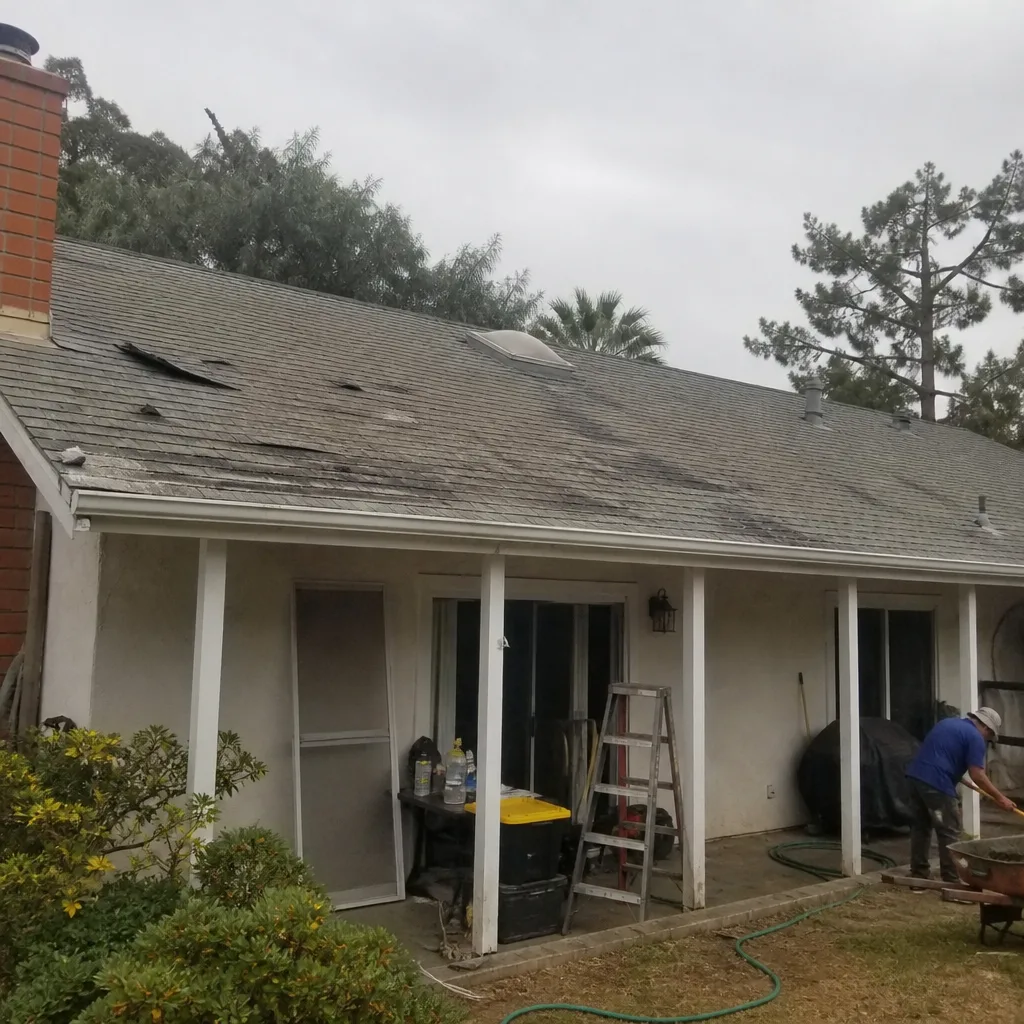 Before
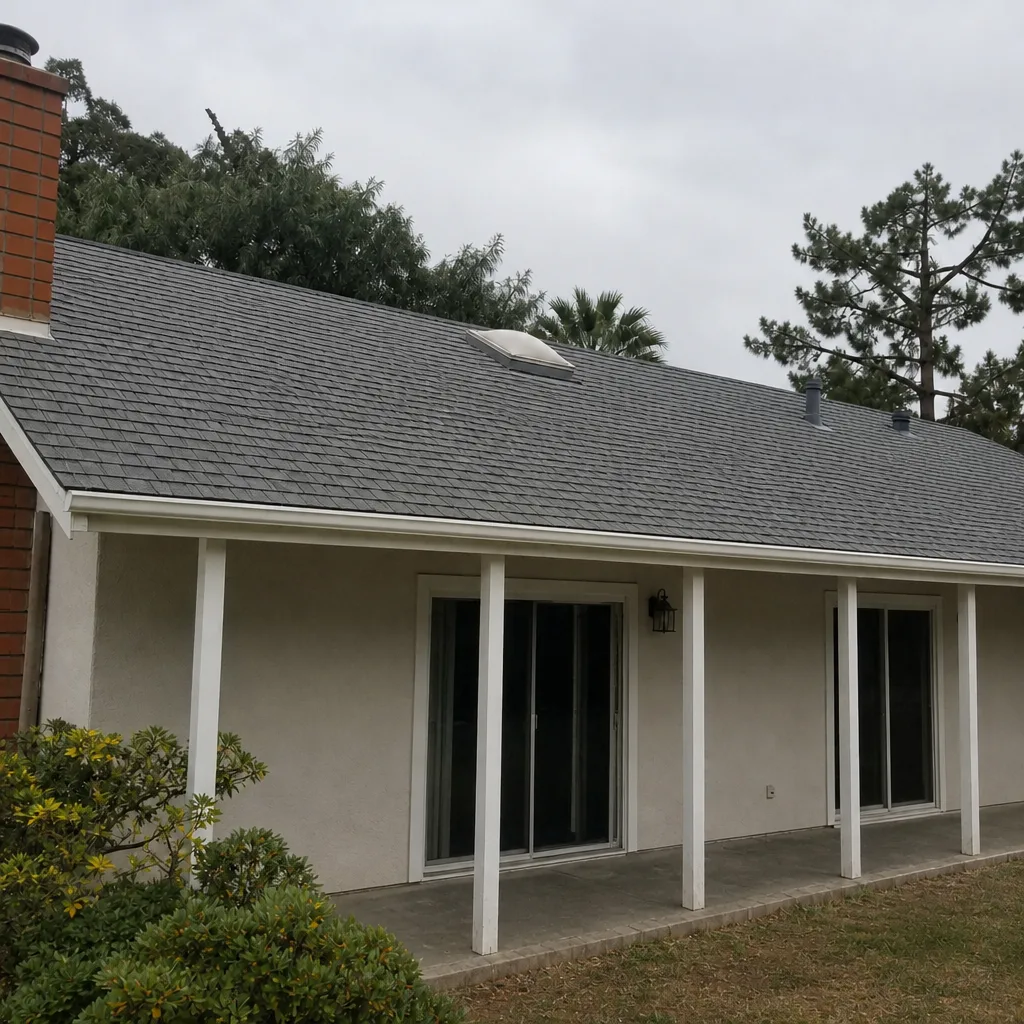 After
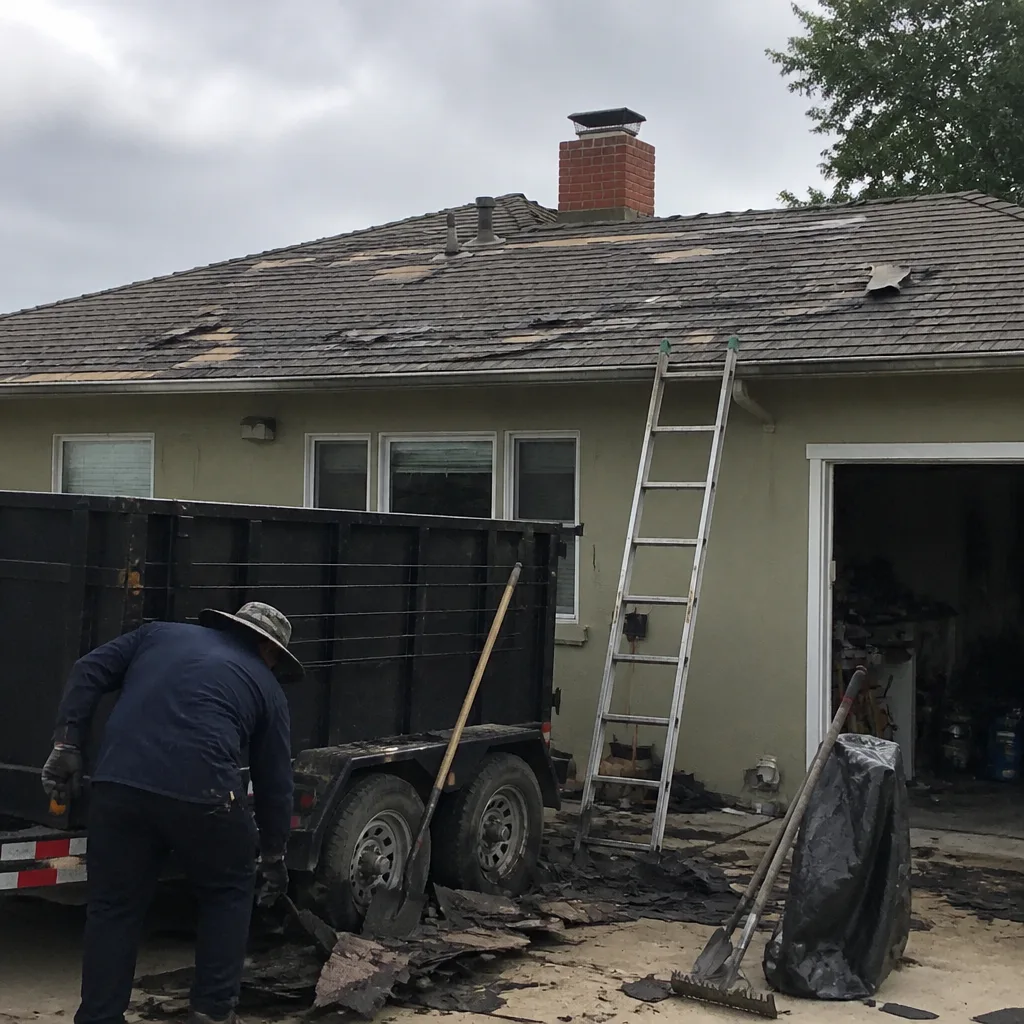 Before
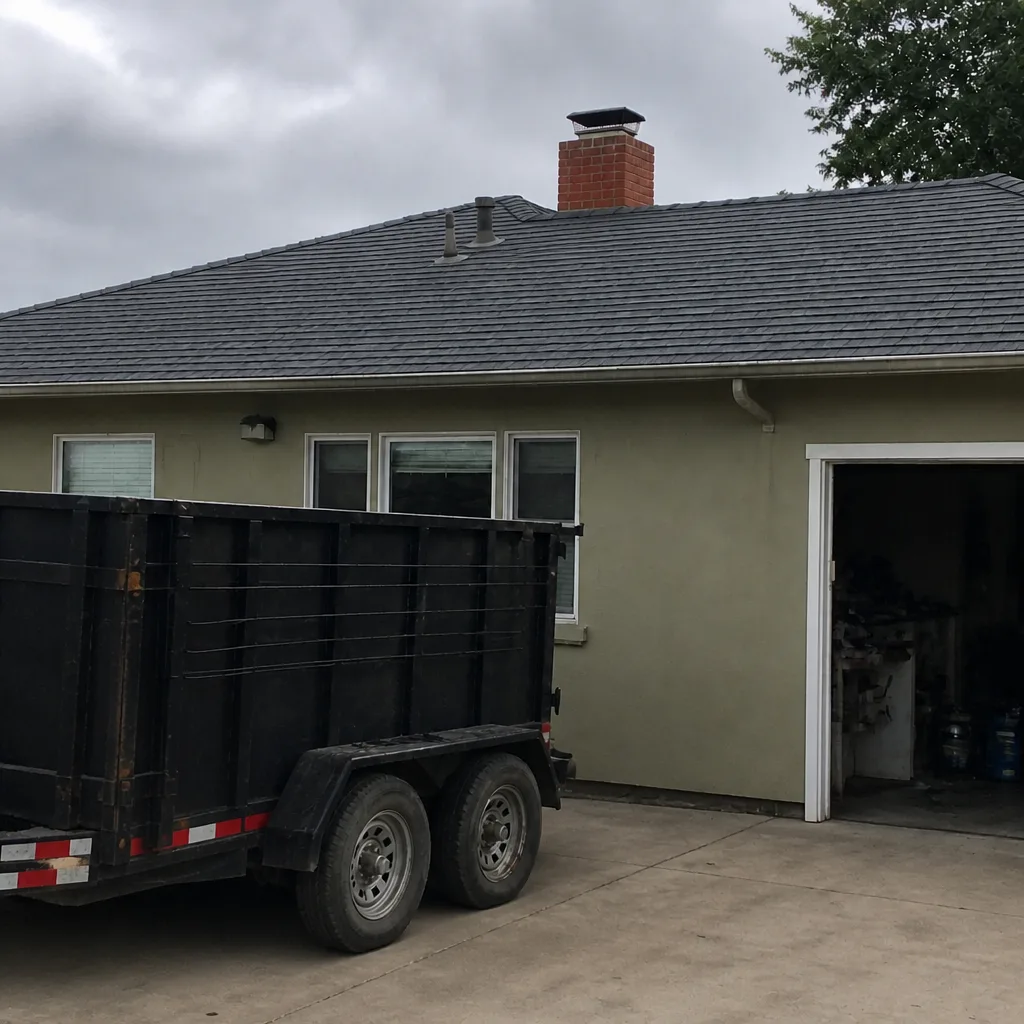 After
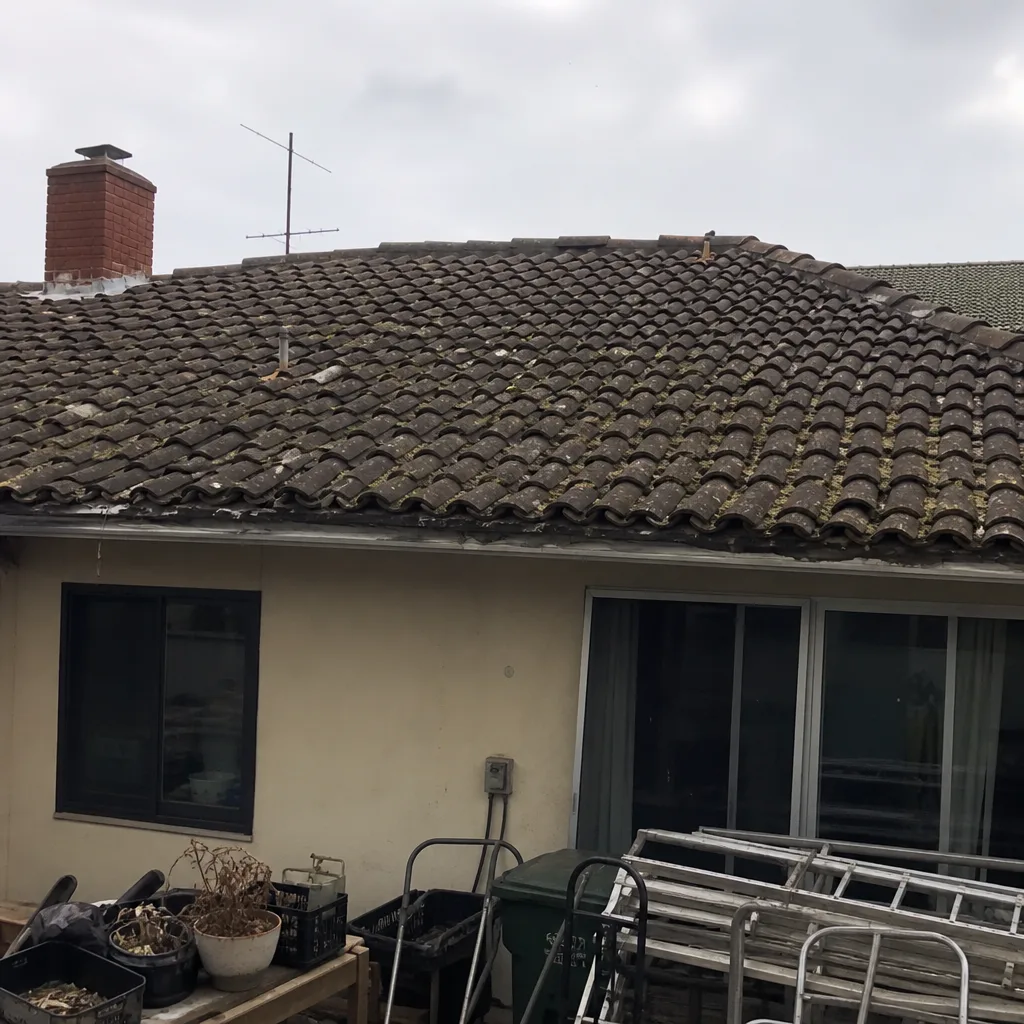 Before
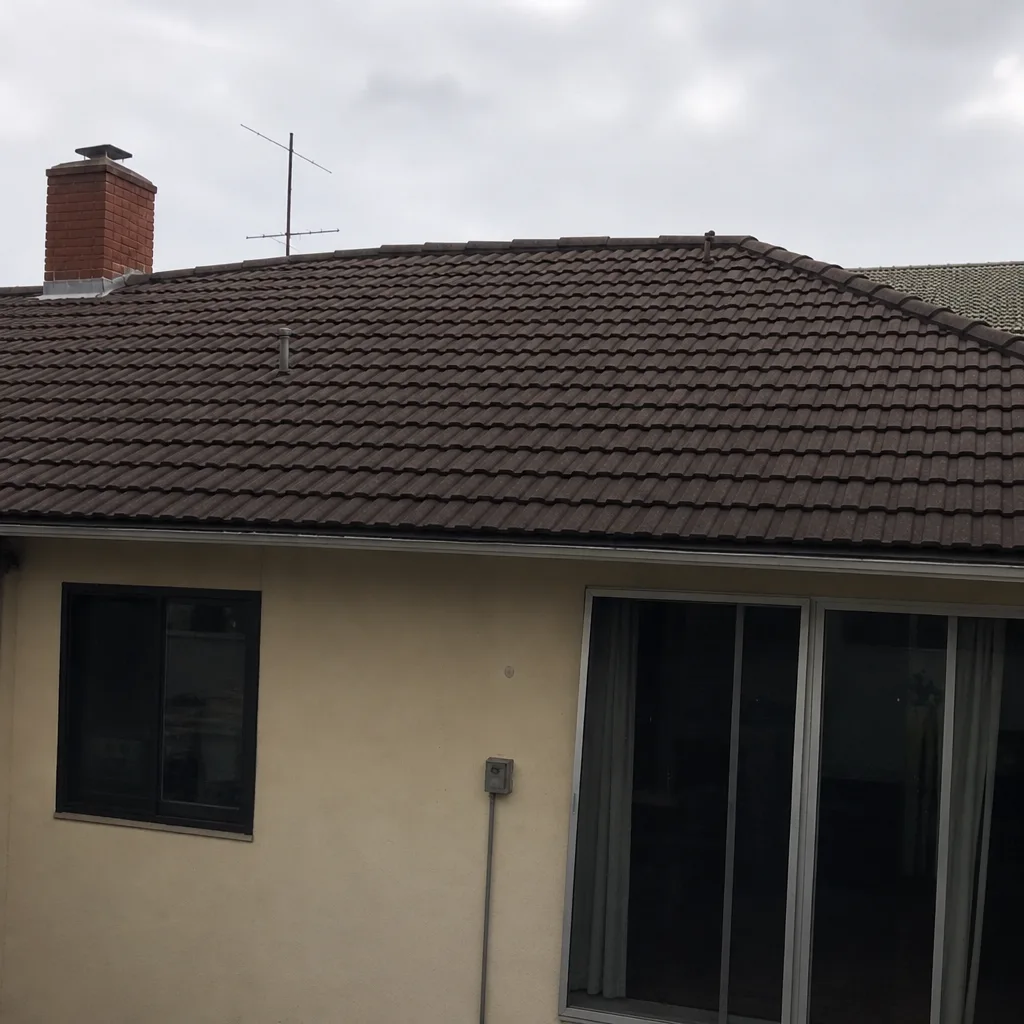 After
When to Call a Professional
Some problems are obvious. If water is coming through the ceiling, if you can see daylight in the attic, if shingles are missing or lifted after a wind event, or if a stain has appeared on an interior wall, call. Don’t wait for the next rain. Smaller signs matter too: heavy granule loss on one plane, rusted flashing, or a roof that’s been patched before and is leaking again. Those are the cases where a proper inspection pays for itself by finding the real problem before it spreads. Our technicians have up to experience, and every visit starts with an assessment rather than a sales pitch. Hartwell Roof Repair offers free estimates in Ventura, and you can call (833) 946-8911 to schedule yours.
Frequently Asked Questions
Cost depends on the failure, the material, and the size of the repair, so we quote each job after an inspection. Minor flashing and seal repairs sit at the lower end, while section repairs with matched shingles cost more. The written estimate sets the final price, with no change orders. Call (833) 946-8911 for an exact quote. Estimates are free.
No. The price on your written estimate is the price we hold to. If we uncover something unexpected once the work begins, we stop and talk to you before anything changes. We don’t do surprise change orders. Call (833) 946-8911 to schedule your free estimate.
Yes, where a permit is required. Basic repairs usually don’t trigger one, but full replacement or a change to the roof assembly typically does, and may bring Title 24 energy requirements with it. We pull permits and pass inspections on the jobs that need them. Call (833) 946-8911 if you’re unsure about your job.
Most straightforward repairs are finished in a day, and larger section repairs can run longer depending on weather and access. A full replacement takes more than a day. The written estimate includes the expected timeline so you know what to plan for. Call (833) 946-8911 for your estimate.
Often, yes. Because we install and repair across seven major shingle lines, including Owens Corning, IKO, Atlas, and Tamko, we can frequently match the material already on your roof. If an exact match isn’t available, we’ll tell you before we start and lay out the alternatives. Call (833) 946-8911 to schedule an inspection.
A written inspection settles it. If the damage is isolated and the rest of the roof has life left, repair is usually the right call. If the damage is widespread or the roof is at the end of its service life, replacement makes more financial sense. We assess before we recommend, so the answer comes from what’s actually on the roof. Call (833) 946-8911 to book your inspection.
The Bottom Line
Ventura roofs don’t fail overnight. They age steadily through the damp months and the wind, and the repair you face is usually the result of damage that built long before the first leak. The good news is that most of these problems are catchable, and most are repairs rather than replacements. Watch the signs, get a real inspection before the rainy season, keep your documentation, and match your materials. If the roof is past saving, replacing it is the honest answer, and you should hear that clearly and with a written number attached. Either way, start with an inspection. Call (833) 946-8911 to schedule your free estimate. We answer 24/7. Fast dispatch from 7am to 7pm, Sunday through Friday.
Written by the team at Hartwell Roof Repair.