
Last updated November 16, 2026
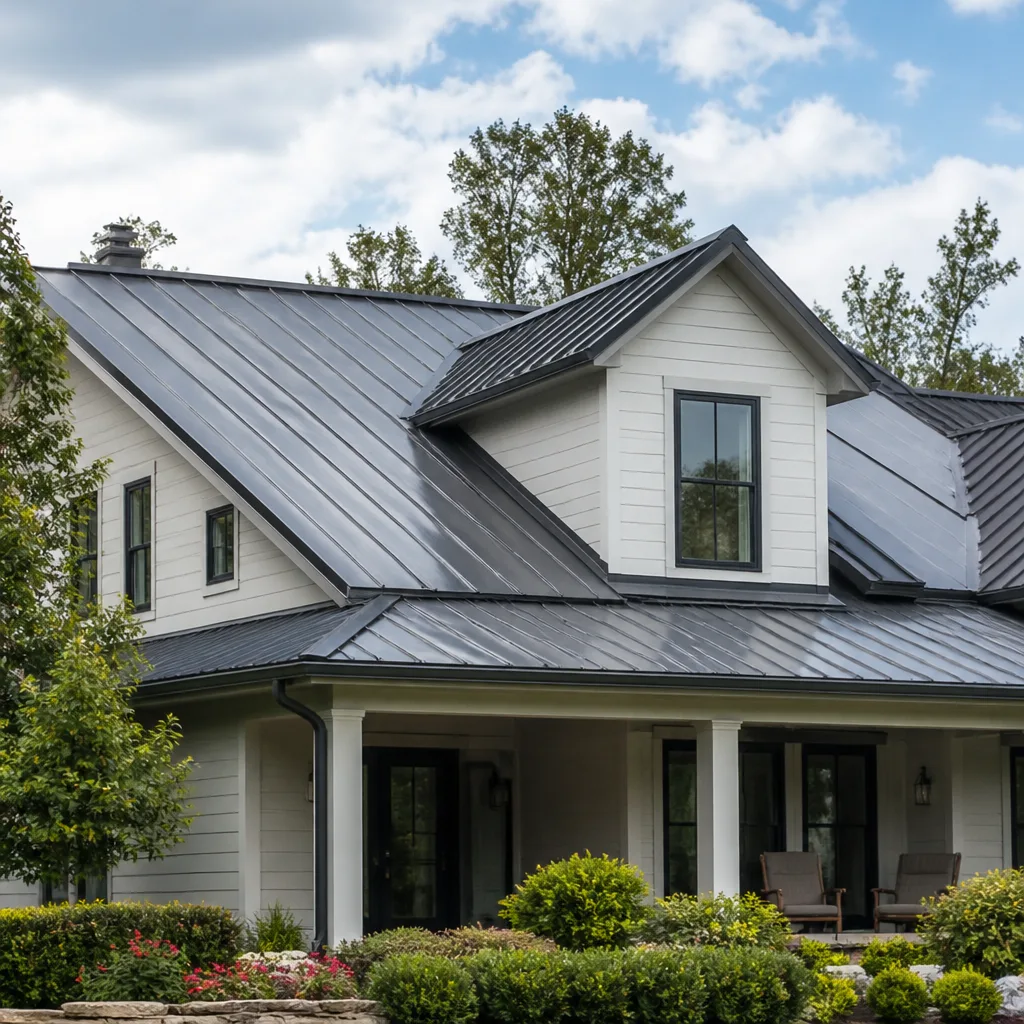 Metal roofing
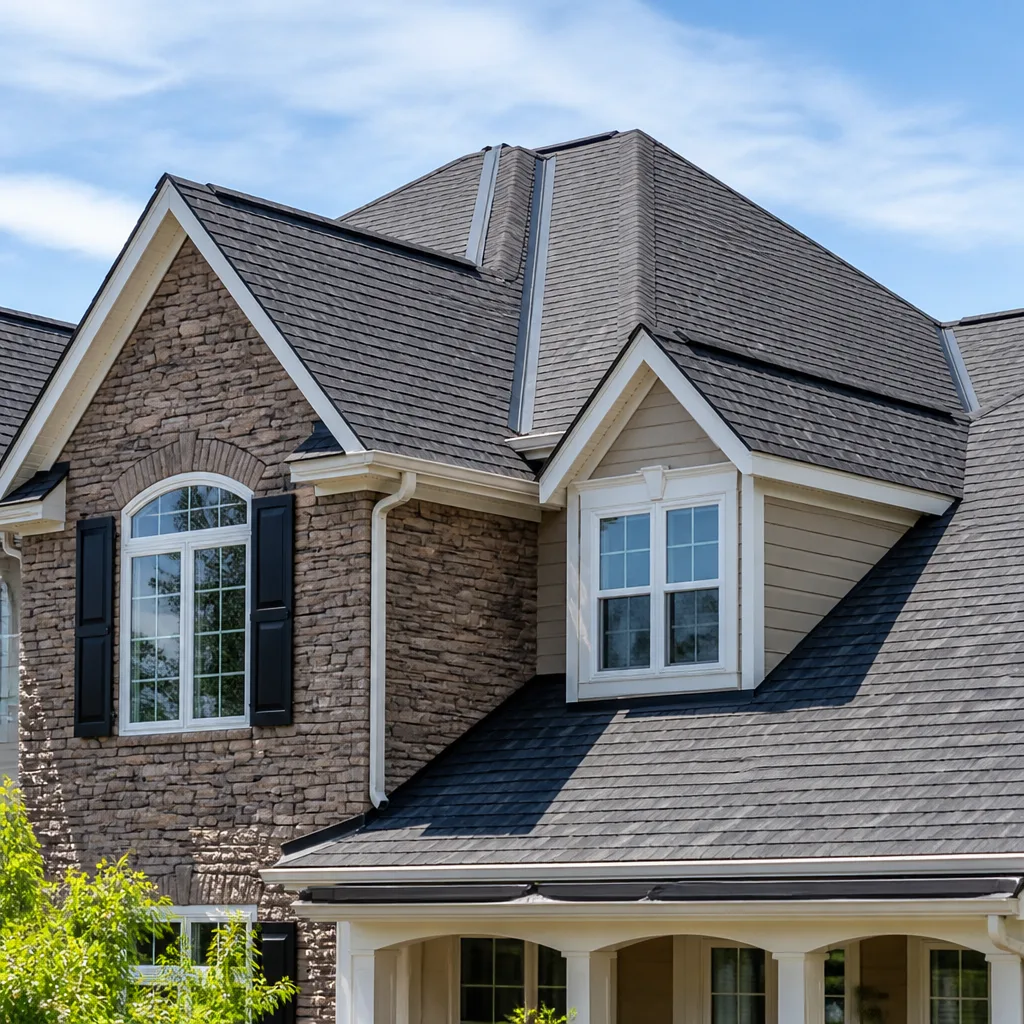 Architectural shingles
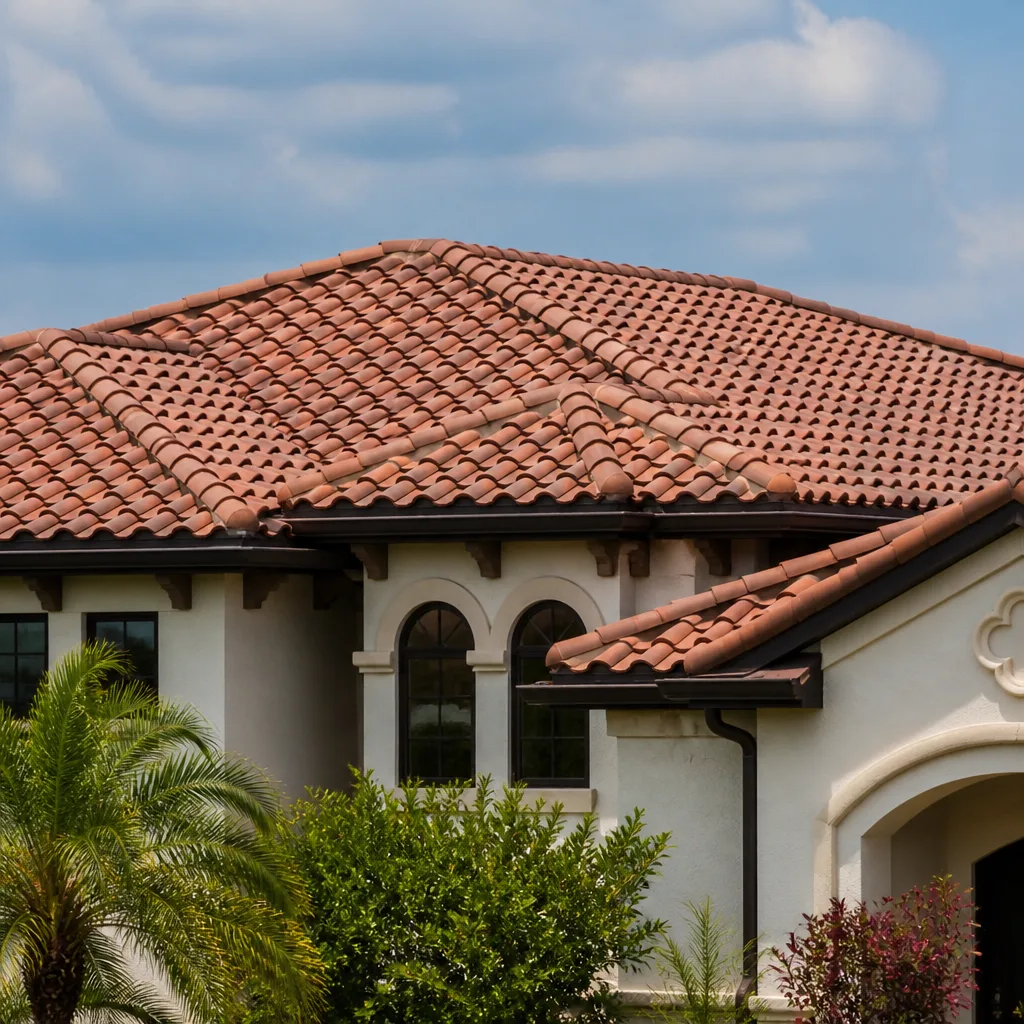 Tile roofing
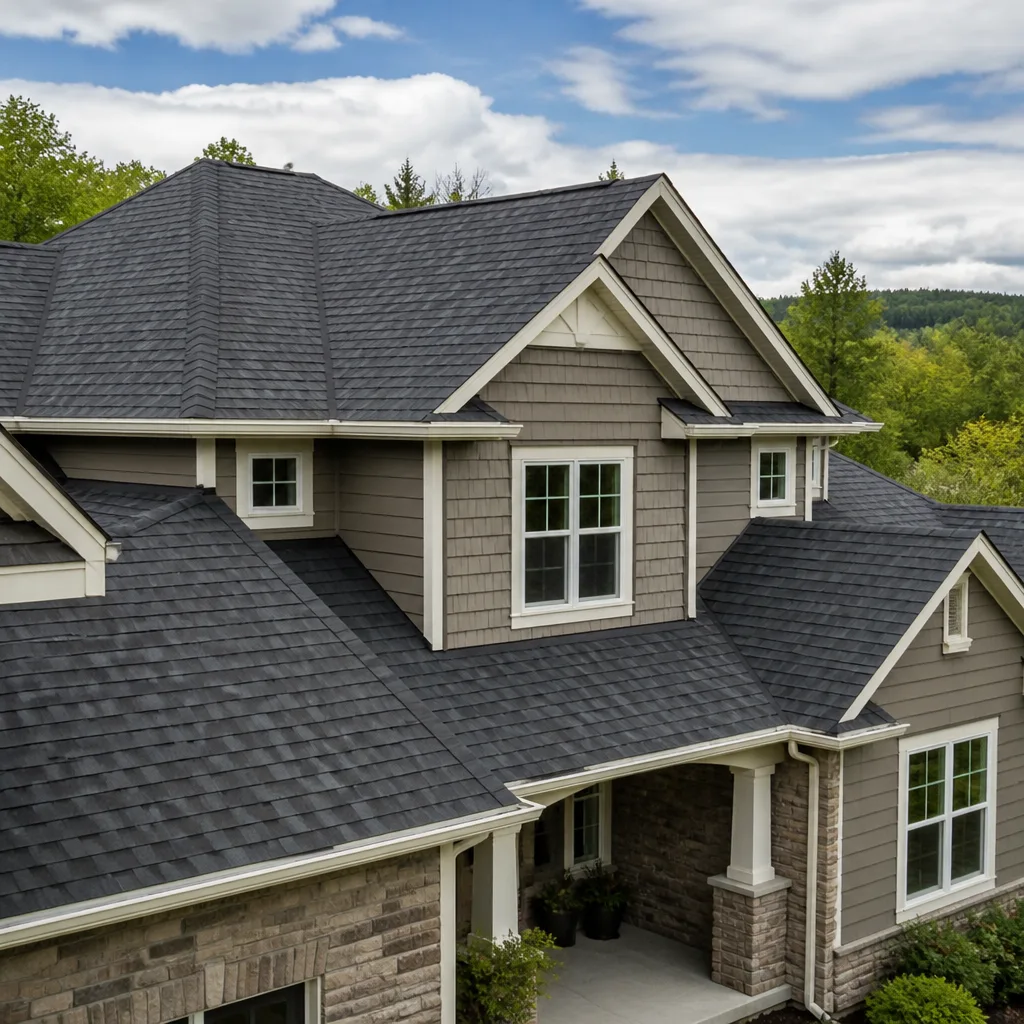 GAF
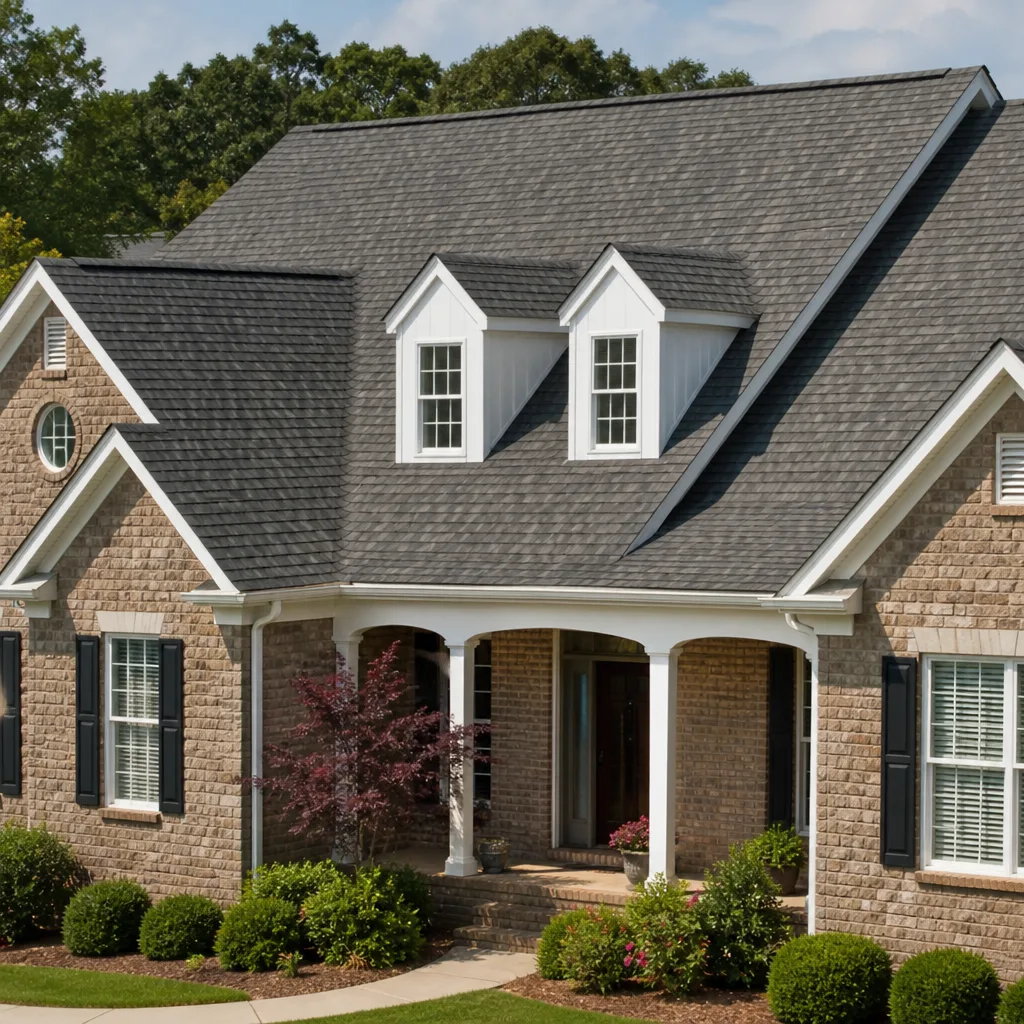 Owens Corning
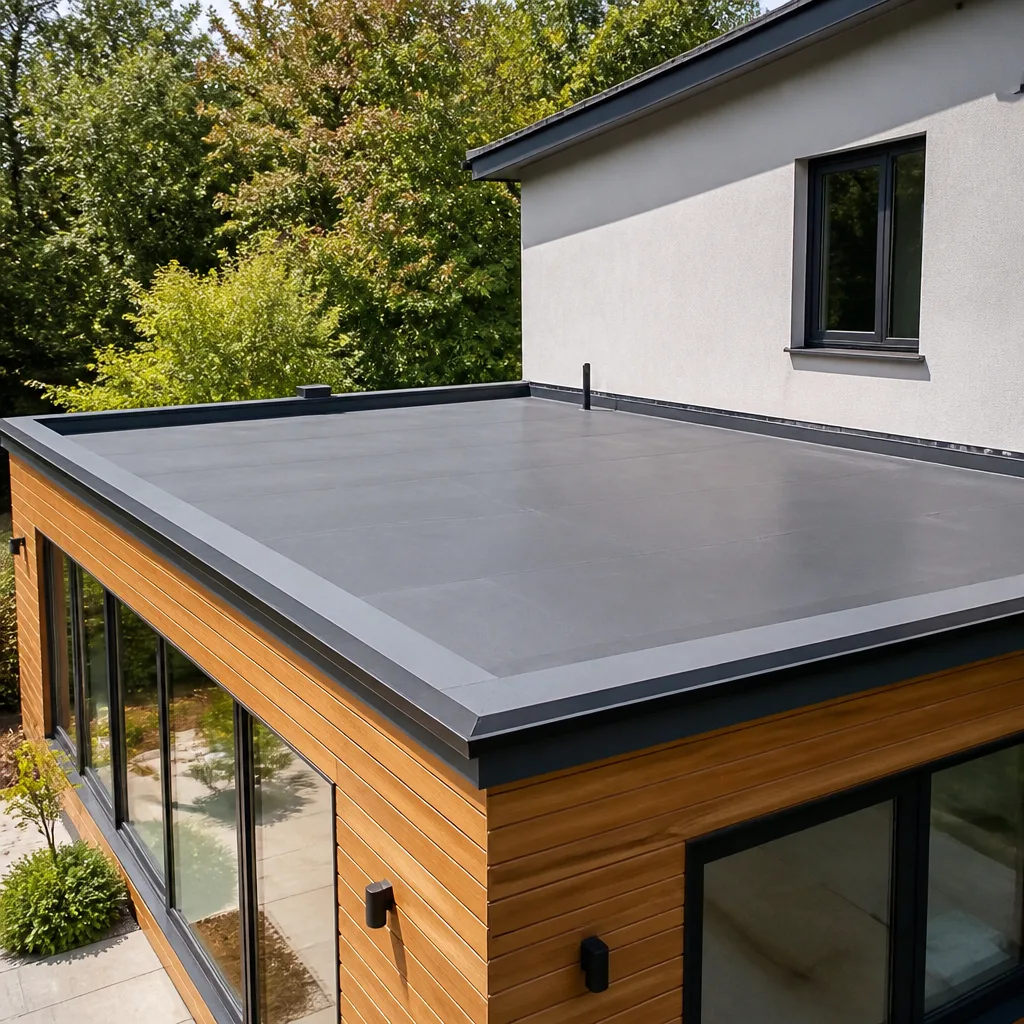 Flat & low-slope
Free roof inspection with deck photos before we talk money - GAF and Owens Corning certified installation
Roofing Cost Breakdown: The Ventura Homeowner’s Reference for 2026
Two Ventura homeowners with nearly identical houses can receive roofing quotes that differ by $6,000, and both quotes can be completely honest. The difference usually isn’t the shingles they chose or how much each contractor likes to charge. It’s what each one found when they looked underneath, at the decking, and how each one decided to price what they couldn’t see yet. This guide is built on a single idea: when you understand what actually drives the number, you can compare quotes fairly instead of guessing which one is trying to take advantage of you. We’ll break down real 2026 ranges by project type, explain why a decking allowance is a sign of honesty, and show you how permits, Title 24 testing, and brand choice all move the total.
Quick Answer
Roofing costs in Ventura in 2026 generally run from a few hundred dollars for a small repair to well into five figures for a full replacement, and the spread inside each category is driven by roof access, pitch, decking condition, material choice, and permit and inspection costs. A quote that itemizes those variables lets you compare apples to apples; a quote that doesn’t is asking you to trust a single lump sum. The written estimate always sets the final price, and it should list the scope line by line.
Styles & brands we work with
- Architectural shingles
- Metal roofing
- Tile roofing
- GAF
- Owens Corning
- Flat & low-slope
Table of Contents
- What roofing costs in Ventura by project type
- Why a decking allowance is a sign of contractor honesty
- How shingle brand choice changes the total
- Permits, Title 24 testing, and inspection costs
- Repair now versus replace later: the true cost of deferral
- How to read a roofing quote line by line
- Material options and what each one asks of your roof
- Common mistakes to avoid
What roofing costs in Ventura by project type
The single most useful thing you can do before you call anyone is figure out which category your roof actually falls into. Repair, partial replacement, and full replacement are three different financial animals, and confusing them is where most quote-shopping goes wrong. Here’s how the ranges typically break down for Ventura homes in 2026, and what pushes a job toward the top or bottom of each band.
Repair work covers the leak you already have or the flashing that’s failed, not the whole field of shingles. Most repairs land in the low hundreds to low thousands depending on access and how much of the surrounding area has to come up to do it right. Small isolated patching sits at the low end. A repair that requires tearing back a section of field shingles to reach a hidden leak, then re-weaving new shingles into the existing course, moves toward the high end. Access matters enormously here: a single-story ranch with a gentle pitch is a different job than a steep two-story where every move needs fall protection.
Partial replacement happens when one slope, one valley, or one section has failed while the rest of the roof is sound. You’re paying for a portion of the tear-off, a portion of the underlayment, and new shingles matched to the existing roof. The high end of this band is driven by whether the material can still be matched and whether the decking under that section needs work.
Full replacement is the tear-off-and-rebuild of the entire roof surface. The broad range runs from the low five figures upward, and the variables that push it high are decking repair, pitch, number of layers to remove, and how complex the roof geometry is. A simple gable roof with a single layer of shingles sits near the bottom. A hip-and-valley roof with multiple penetrations, dormers, and two existing layers to strip sits near the top.
- Roof pitch and access: steep or hard-to-reach roofs add labor and safety time.
- Number of existing layers: two layers to strip costs more in tear-off and disposal than one.
- Decking condition: soft, rotted, or delaminated sheathing has to be replaced before anything goes back on.
- Roof geometry: valleys, dormers, and multiple penetrations add detail work.
- Material choice: the shingle line you pick moves the material cost up or down.
None of this is guesswork when a contractor actually gets on the roof. That’s why we assess before we recommend: a repair-first approach means you don’t pay for a replacement your roof doesn’t need. If you want the full picture on fixing what’s already failing, start with roof repair and build the replacement conversation from there.
Why a decking allowance is a sign of contractor honesty
When a quote includes a per-square-foot allowance for decking replacement, some homeowners read it as a red flag. It’s the opposite. It’s the clearest signal that the contractor is pricing what they actually can and can’t see from the outside.
Here’s the issue. Until the old shingles come off, nobody can know how much of the wood decking underneath has gone soft. You can probe from the attic and spot-check from above, but the true condition only reveals itself during tear-off. A contractor who hands you a fixed lump sum with no decking line is making one of two bets: either they’re assuming the decking is perfect (and will come back asking for more money once it isn’t), or they’ve buried a worst-case decking cost into the total and will keep the difference if the wood turns out fine.
A line-item decking allowance of roughly $500 to $900 per square of replacement sheathing does something different. It says: here is the unit cost if we find soft wood, here is how many squares we’re allowing for, and here is how the final number gets adjusted. It’s transparent. You can see the price per unit and you know in advance how a surprise gets handled.
What to look for in that line:
- A unit price per square, not a vague “decking extra.” You want the rate, not just a warning.
- An allowance quantity. A reasonable contractor estimates how many squares they expect to replace based on what they can probe.
- A clear rule for overage. If they find more than the allowance, how is the additional cost calculated and approved before work continues?
- A credit for unused allowance. If the decking is better than expected, does the price go down?
In our experience, the decking line is where honest quotes and inflated quotes look the most different. An inflated quote either omits decking entirely or pads it with no unit price. An honest quote lets you see the cost of the unknown before you sign. Ventura roofs that have lived through repeated wet winters and dry summers often have localized decking issues near valleys and penetrations, even when the field shingles still look serviceable. That’s exactly the kind of thing a transparent allowance protects both sides against.
How shingle brand choice changes the total
The brand on the wrapper is one of the few cost variables you actually control, and it matters more than most homeowners expect. The material cost difference between a value line and a premium line can add a meaningful percentage to a full replacement. Whether that premium is worth it comes down to warranty math against how long you plan to stay in the home.
We install and repair across seven of the industry’s leading shingle manufacturers, so we have no reason to push you toward one brand. Your roof, your material choice. The brands include IKO, Atlas, Tamko, and Boral among others, and each sits at a different point on the cost-and-warranty curve. A mid-grade architectural shingle from a mainstream line does the job on most Ventura homes. A premium line buys you a longer manufacturer warranty and, often, better wind and impact ratings.
Here’s the calculation that actually matters. Take the extra cost of the premium line, divide it by the extra warranty years, and ask whether you’ll still be in this house when the standard warranty would have expired anyway. If you plan to sell in a few years, the warranty premium rarely pays back. If this is your long-term home and you want the longest manufacturer protection available, the premium can make sense.
- Find the standard-line price and warranty term for the shingle the contractor recommends.
- Find the premium-line price and warranty term for the same manufacturer.
- Subtract to get the cost premium and the extra warranty years.
- Compare the extra years against your remaining ownership timeline. If you’ll sell before the standard term ends, the premium buys you little.
- Check whether the premium line covers more, for example longer labor coverage or stronger wind ratings, that you value independently of the timeline.
One thing brand choice affects that doesn’t show up on the quote: repair matching. Because we work across multiple major lines, we can often match your existing shingles during a repair, which keeps the roof looking consistent and protects your existing manufacturer warranty continuity. Choosing a line that’s easy to source again in five years is a quiet cost saver. For the full picture of when a replacement is the right call, see roof replacement.
Permits, Title 24 testing, and inspection costs
This is the part of a roofing quote that’s most often left out, and it’s where a lot of “surprise” budget creep comes from. In California, a full reroof generally requires a building permit, and permits in Ventura carry fees that scale with the size and type of the project. Those fees are legitimate government charges, and a transparent contractor itemizes them separately from labor and material.
There’s a second layer that catches homeowners off guard: Title 24. California’s energy code requires that when you replace a roof, you may need to add or improve attic insulation or reflective roof surfacing to meet current energy standards, and that compliance may involve testing or documentation. These requirements can add cost on top of the shingles. Not every project triggers the same requirements, so it matters that your contractor knows the current rules and bakes the compliance cost into the estimate instead of discovering it after the permit is pulled.
Inspection is the third piece. A permitted job gets inspected by the city, and that’s a good thing: it means the work was done to a standard someone independent checked. But scheduling, access, and any corrections add time, and time is a cost. A realistic quote accounts for it.
What to demand in writing:
- Permit fees as a separate line. You should see the charge, not just a note that “permits included.”
- Title 24 compliance scope. What does the code currently require for your roof, and is that cost in the estimate?
- Inspection coordination. Who schedules it, and does the price account for the wait between inspection and sign-off?
- Who pulls the permit. The contractor should pull it in their name, so the responsibility is theirs.
A quote that folds permits, Title 24, and inspection into one opaque number is leaving you a surprise waiting to happen. Ask for the breakdown. If a contractor can’t itemize it, that’s information you can use. When you’re ready to compare a fully itemized written estimate for a Ventura home, call (833) 946-8911. We answer 24/7. Fast dispatch from 7am to 7pm, Sunday through Friday.
Repair now versus replace later: the true cost of deferral
A failing roof isn’t a static problem. It’s a problem that compounds, and the compounding is what makes “wait another year” so expensive. The math of deferral isn’t about the cost of the shingles going up. It’s about what water does to everything under the shingles while you wait.
Ventura’s weather cycle drives this in a specific way. The region gets concentrated wet seasons followed by long dry stretches. In the dry months, a small leak into the attic often doesn’t announce itself because there’s no rain to reveal it. Then the rains arrive, and water finds every entry point at once. During those wet weeks, moisture can reach the sheathing, the rafters, and, in the worst cases, the ceiling and insulation below. Dry rot spreads through wet wood. Once the decking is compromised, a repair that might have been a localized fix becomes a tear-off and rebuild, because you can’t install new shingles over soft wood. This is why we lead with inspection: the goal is to catch the failing section before the wet season turns a repair into a replacement. A repair-first approach assesses before we recommend, so you never pay for a replacement you don’t need.
Here’s how the two paths compare in cost terms, not dollar terms:
- Repair now: cost of a targeted fix, a written estimate, and a check on the decking near the failure. Scope stays small and predictable.
- Replace later after a leak goes untreated: the fix, plus decking replacement across a larger area, plus possible interior work on ceilings and insulation, plus the replacement itself. The decking contingency line grows, and so does the total.
The point isn’t that a repair always saves money. Sometimes the roof is genuinely at end of life and a repair is throwing good money after bad. The point is that deferring a repair that’s needed doesn’t postpone the cost; it multiplies it. Getting an honest inspection early, while the scope is still small, is the cheapest decision on this entire page. If your roof is already past the point where a targeted fix makes sense, the full-lifetime view on Hartwell Roof Repair connects inspection through replacement under one company, so you’re not juggling two contractors and getting two conflicting diagnoses.
How to read a roofing quote line by line
Comparing two quotes side by side is only fair if both are itemized the same way. A quote that says “reroof, $X” can’t be compared to anything. Here’s the structure a transparent estimate should follow, and what each line actually tells you.
- Tear-off and disposal. How many existing layers are being removed, and is disposal of the old material included?
- Decking allowance. The per-unit cost and the quantity allowed, with a rule for overage and a credit for unused allowance.
- Underlayment and flashing. The material grade and whether all penetrations, valleys, and edges are included.
- Shingle line and brand. The exact product, so you can compare the same thing across quotes.
- Ventilation and any Title 24 scope. What’s being added to meet code, and is it itemized?
- Permit fees and inspection. A separate line, with the contractor named as the permit holder.
- Labor and timeline. How long the job is expected to take and what conditions would extend it.
- Warranty terms. The manufacturer warranty and the workmanship warranty, stated separately.
When two quotes differ by thousands and both are itemized, you can usually point to the exact line that’s different. Maybe one contractor is allowing for more decking because their probe found more soft spots. Maybe one is proposing a different shingle line. Maybe one has accounted for Title 24 compliance and the other hasn’t. That’s a conversation you can have. A lump-sum quote removes that conversation entirely, which is exactly why a homeowner can’t tell honest-but-different from padded.
One more line to insist on: fixed pricing with no change orders outside the agreed scope. If the scope is set and the decking allowance is defined, the final price shouldn’t move except when the two of you agree it should, in writing.
Material options and what each one asks of your roof
Shingle is the default on most Ventura roofs, but it isn’t the only option, and the material choice is one of the biggest levers on total cost. Each material carries different weight, different installation demands, and a different maintenance profile over the years.
Asphalt architectural shingles are the workhorse. They’re the most common choice, they install relatively fast, and the top manufacturer lines (GAF, CertainTeed, Owens Corning, IKO, Atlas, Tamko) offer a wide range of performance and warranty tiers. Boral also offers premium and composite options for homeowners who want a different look. Architectural shingles balance cost and durability well for most homes.
Premium or designer shingle lines sit above the standard architectural grade. They cost more, look more like natural slate or shake, and carry longer warranties. Worth it if you’re staying long-term and want the visual upgrade.
Tile and concrete roofing costs more up front and adds weight, which can mean structural considerations your contractor needs to check. It lasts longer and handles heat well, so the long-term math can favor it on a home you’ll keep.
Metal roofing has the highest up-front cost of the common options but a very long service life. It reflects more heat and can lower cooling demand, though the total cost depends on the profile and the roof’s complexity.
What matters most is matching the material to the roof, not the roof to whatever’s in stock. Because we install across seven major manufacturer lines rather than one, we can present genuine options and match your existing roof during a repair instead of forcing an upsell to the one brand we carry. Ask any contractor which lines they work with. If the answer is one brand, you’re getting a recommendation shaped by inventory, not by your roof.
One safety note that applies to any material: much of the replacement work happens on the roof deck, and roof work is genuinely dangerous. Steep pitches, heights, and hand work near the edges are where serious injuries happen. That’s the domain of trained technicians with proper fall protection, not a weekend project. We don’t recommend homeowners do the lift; the right move is to get an inspection and let experienced people get on the roof. Our technicians have up to experience with this kind of work.
Common Mistakes to Avoid
- Comparing lump-sum quotes as if they’re the same scope. Two total prices with no line items can’t be compared fairly, because each may be pricing a different amount of decking, a different shingle line, or a different permit scope. Insist on itemization before you decide.
- Treating a decking allowance as an upsell. The per-square allowance is a transparency tool, not a warning sign. A quote with no decking line is the one to question, not the one that shows its unit cost.
- Picking the cheapest number and stopping there. The lowest total often means the thinnest scope, and the difference surfaces during tear-off when you’re already committed. Price the scope, not just the number.
- Deferring a known leak through the dry season. Ventura’s dry months hide small leaks, and the wet season reveals them all at once. A repair while the scope is small is cheaper than the decking and interior work a missed leak creates.
- Forgetting Title 24 and permit costs when comparing. A quote that looks cheaper because it quietly left out permit fees and energy-code compliance isn’t actually cheaper; those charges get added on later or left for you to sort out.
- Choosing a brand before knowing how long you’ll own the home. The warranty premium on a premium shingle line only pays back if you’re around to use it. Do the timeline math before you upgrade.
- Ignoring permit and inspection accountability. If the contractor doesn’t pull the permit in their name, the responsibility for a compliant, inspected roof lands partly on you. Make sure the permit line names who holds it.
See the difference
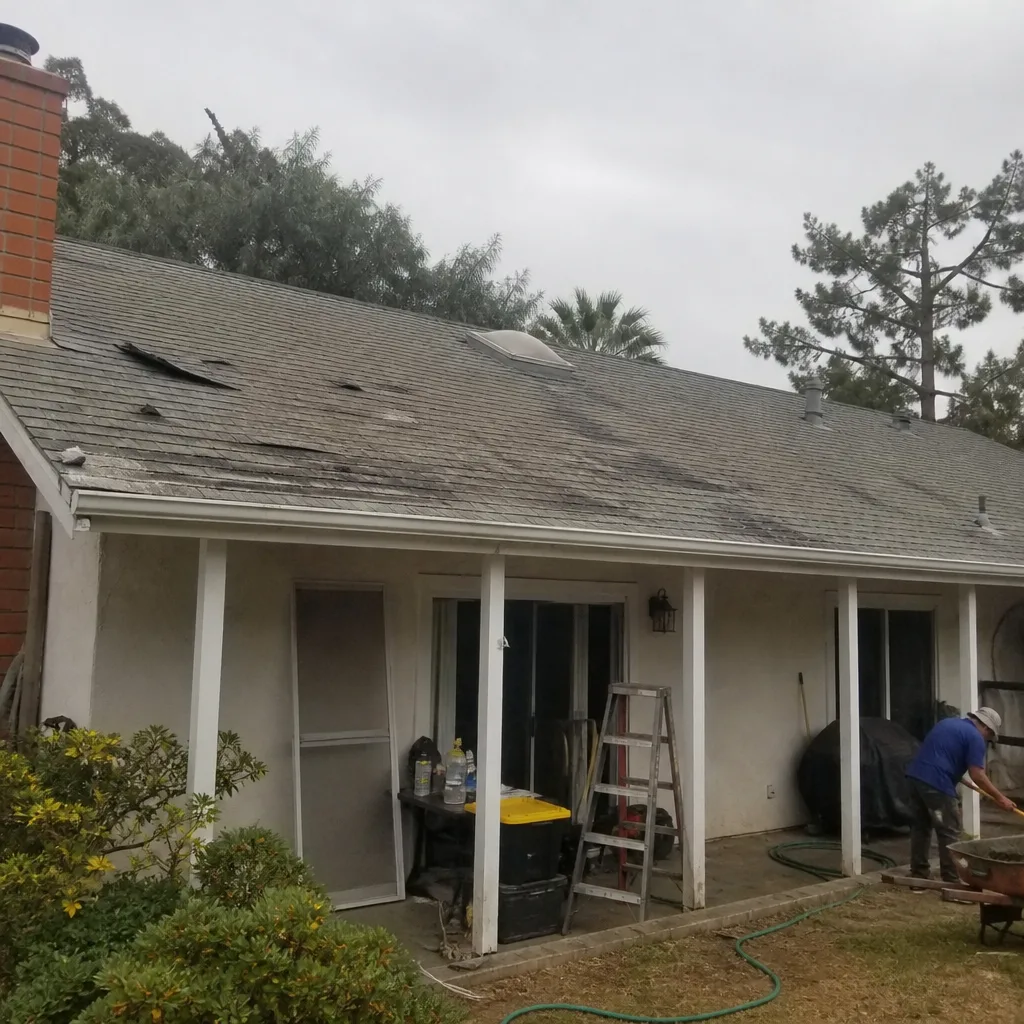 Before
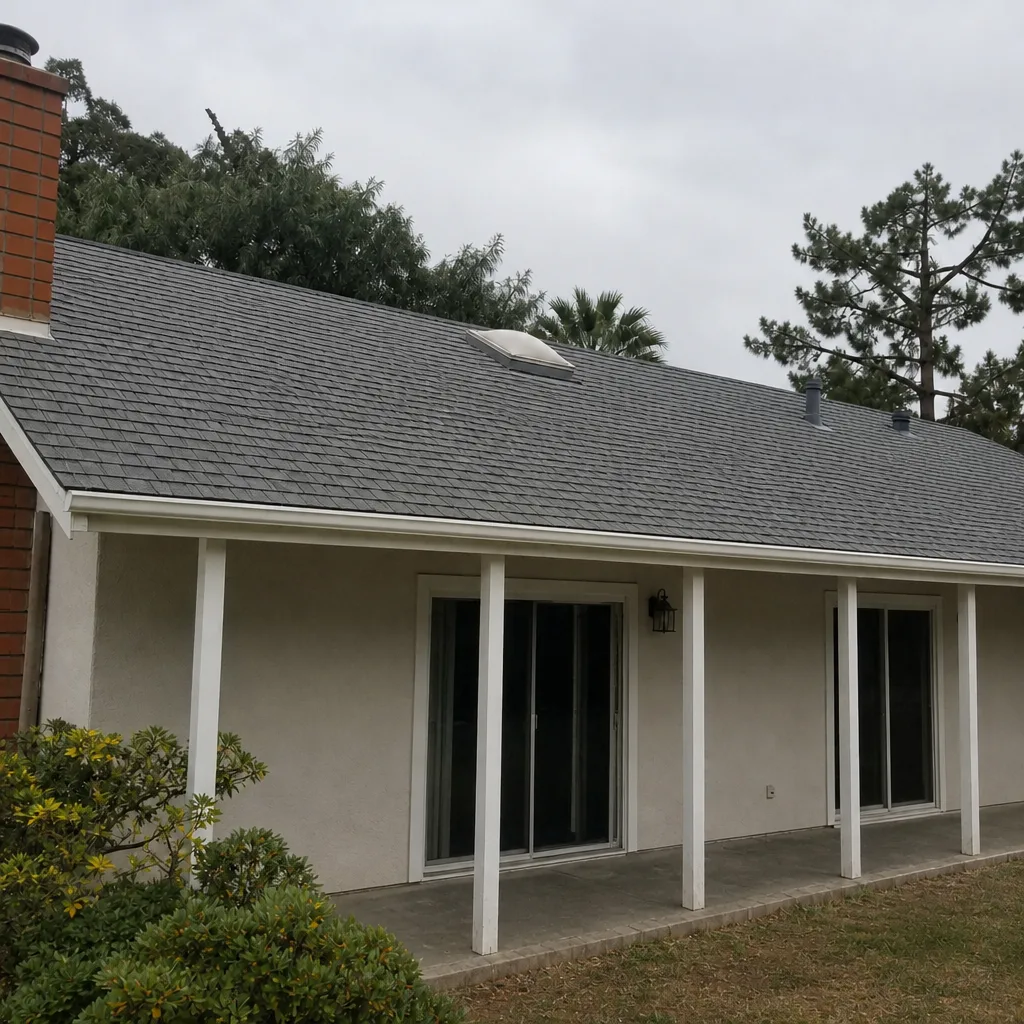 After
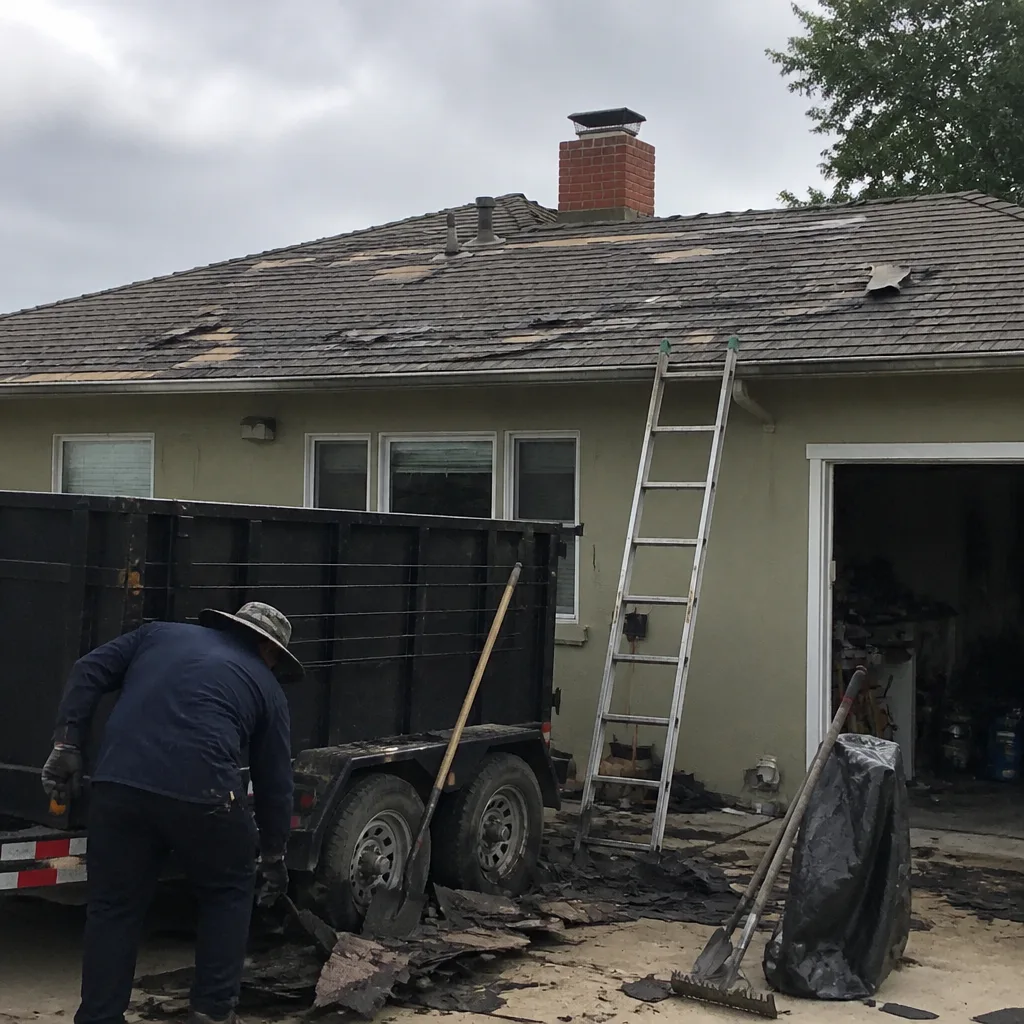 Before
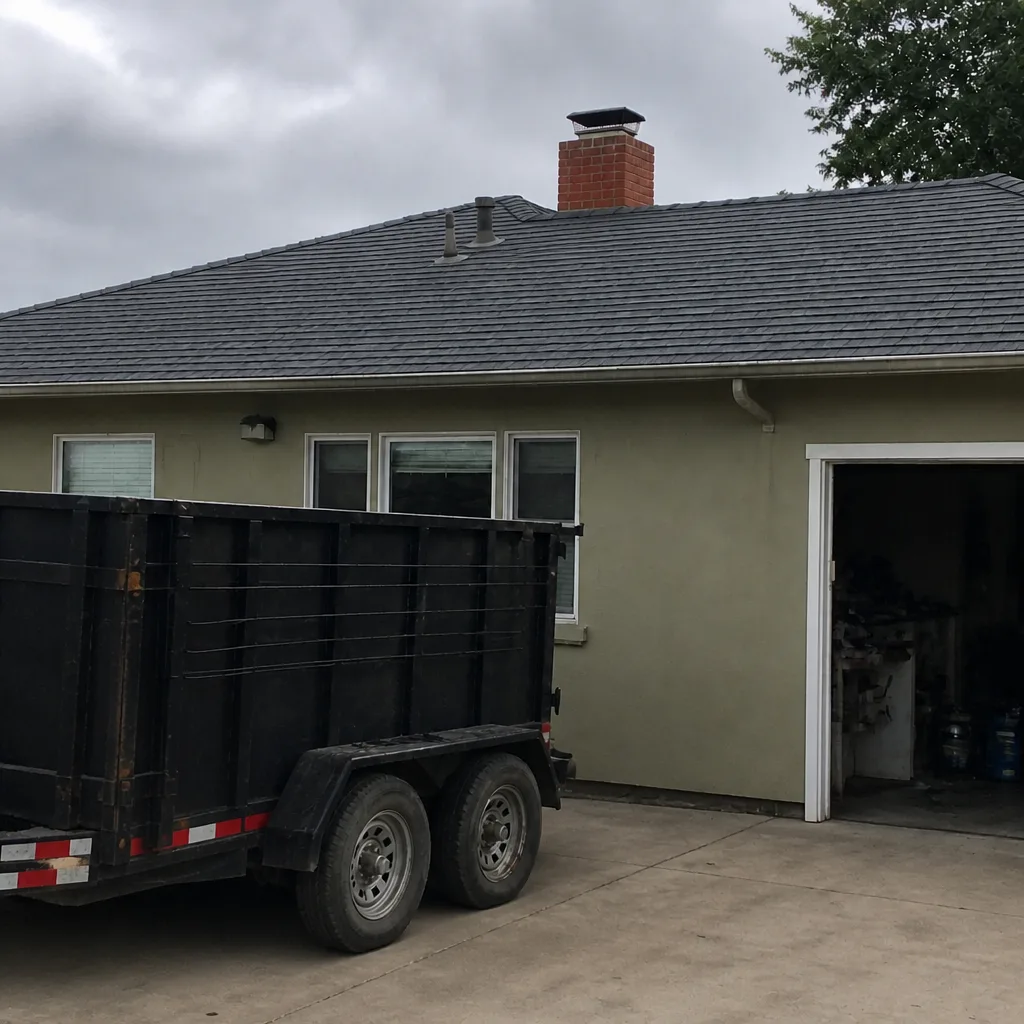 After
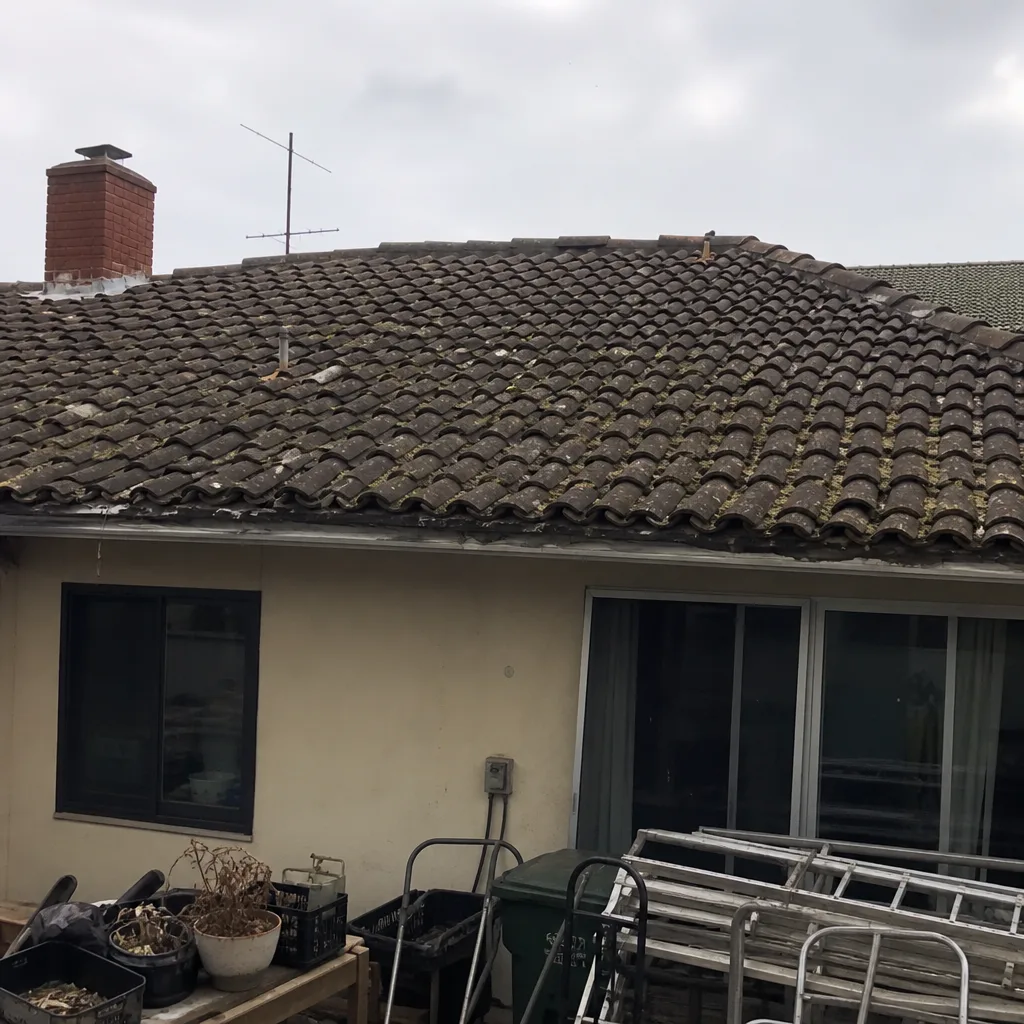 Before
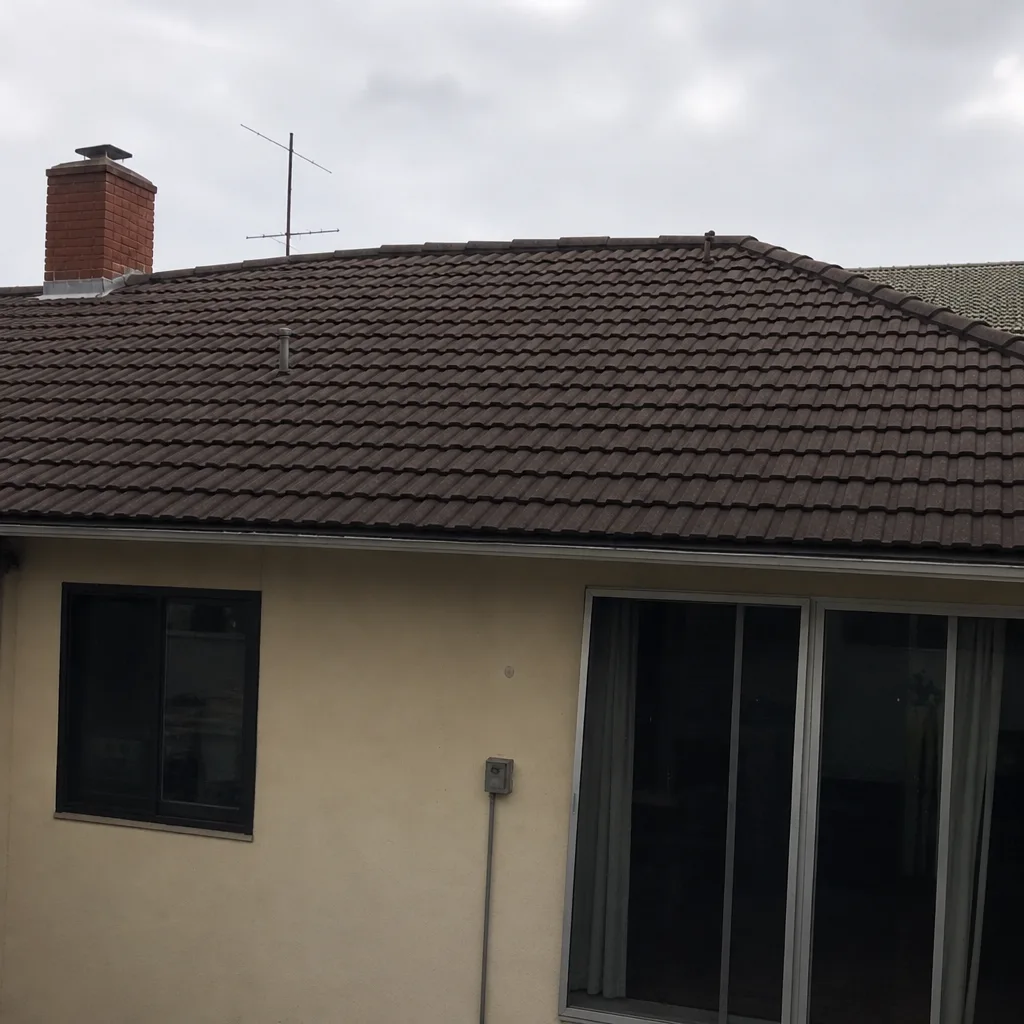 After
When to Call a Professional
Some roofing issues are cosmetic. Others are urgent, and the line between them is best drawn by someone who’s been on the roof. Call a professional when you see water staining on a ceiling or attic sheathing, when shingles are curling, cracking, or missing in a section, when you notice granules collecting in gutters (a sign of aging shingles), or when a storm has left impact damage or lifted a section of the surface. Call before you hire anyone else if a quote you received lacks itemization, because a professional who understands scope can help you read it. And call promptly if a leak is active going into the wet season, since that’s when deferral gets expensive. Roof work involves real height and pitch hazards, so it’s worth having someone trained take the look. Hartwell Roof Repair offers free estimates in Ventura. Call (833) 946-8911. We answer 24/7. Fast dispatch from 7am to 7pm, Sunday through Friday.
Frequently Asked Questions
A full roof replacement in Ventura in 2026 typically runs from the low five figures upward, and the spread within that band is driven by decking condition, roof pitch and access, the number of layers to remove, roof geometry, and the shingle line you choose. A simple single-slope roof with good decking sits near the bottom. A complex roof with soft decking, multiple penetrations, and a premium material sits near the top. The written estimate sets the final price, so ask for an itemized quote before you compare totals. Call (833) 946-8911 for an exact quote; estimates are free.
Because legitimate contractors are often pricing different scopes, not different profit margins. One may be allowing for more decking replacement, proposing a different shingle line, or itemizing Title 24 and permit costs that the other left out. The larger the gap between two quotes, the more important it is to put them side by side line by line. When both are itemized, you can usually identify the exact line that differs. Call (833) 946-8911 and we’ll walk through a transparent written estimate with you.
No. A per-unit decking allowance of roughly $500 to $900 per square of replacement sheathing is a sign of honesty, because it prices what neither side can see until the old shingles come off. A contractor who leaves it out is either assuming the wood is perfect or has buried a worst-case cost into the total. Ask for the unit price, the allowed quantity, and the rule for overage and unused allowance. That level of transparency is a good sign, not a warning. Call (833) 946-8911 for an exact quote; estimates are free.
Most full reroofs in Ventura require a building permit, and California’s energy code (Title 24) may also require compliance steps such as attic insulation or reflective surfacing that add cost to the project. Repairs vary in what they require, so it’s worth checking with the city’s building department for your specific scope. A transparent estimate itemizes permit fees, Title 24 scope, and inspection coordination separately instead of folding them into one lump sum. Ask who pulls the permit, and make sure it’s in the contractor’s name. Call (833) 946-8911 for an exact quote; estimates are free.
Repair now if the failing section is localized, because deferral multiplies cost rather than postponing it. In Ventura, a small leak that stays quiet through the dry season can spread into decking, rafters, and insulation once the rains arrive, turning a targeted repair into a larger tear-off and rebuild. The moment to act is while the scope is still small. An inspection-first, repair-first approach answers the question with evidence rather than a guess. Call (833) 946-8911 for an exact quote; estimates are free.
Yes to both. Premium lines from manufacturers such as IKO, Atlas, Tamko, and Boral cost more than standard architectural lines and carry longer manufacturer warranties. Whether the premium is worth it depends on how long you’ll stay in the home: take the extra cost, divide by the extra warranty years, and compare that against your remaining ownership timeline. If you’ll sell before the standard term ends, the premium rarely pays back. If this is your long-term home, the longer protection can make sense. Call (833) 946-8911 for an exact quote; estimates are free.
The Bottom Line
Roofing cost in Ventura in 2026 isn’t one number, it’s a set of variables you can learn to read. The project type sets the baseline, decking condition and pitch and geometry and material choice move it up or down, and permits and Title 24 and inspection add the costs most quotes leave out. The honest quote shows you all of it, including the decking allowance that prices what nobody can see yet. When two quotes differ, the itemized one lets you find the reason instead of guessing at intent. And the cheapest decision on the whole page is catching a small problem while it’s still small. If you want the diagnosis first, before anyone recommends a replacement, we’ll get on the roof and show you what’s actually there. Call (833) 946-8911 for a free estimate. We answer 24/7. Fast dispatch from 7am to 7pm, Sunday through Friday.
Written by the team at Hartwell Roof Repair.