
Last updated November 16, 2026
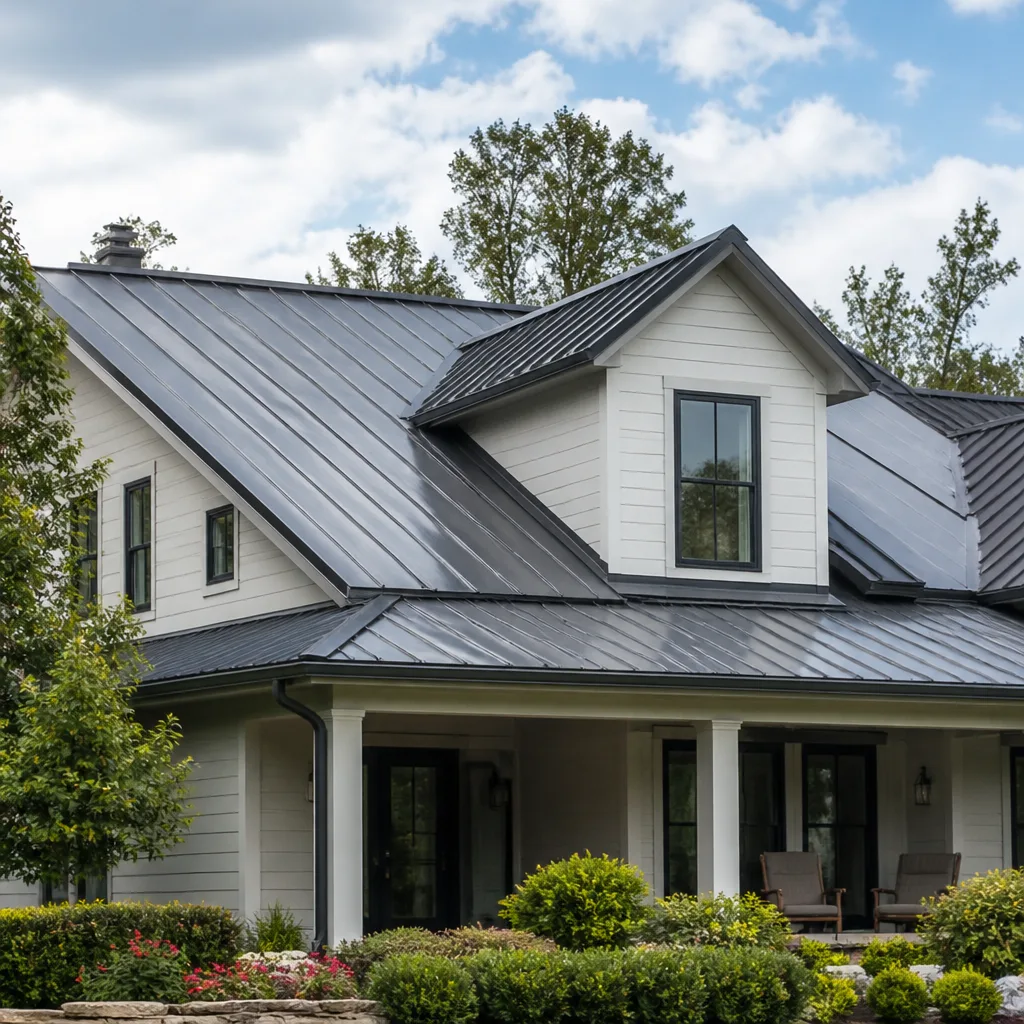 Metal roofing
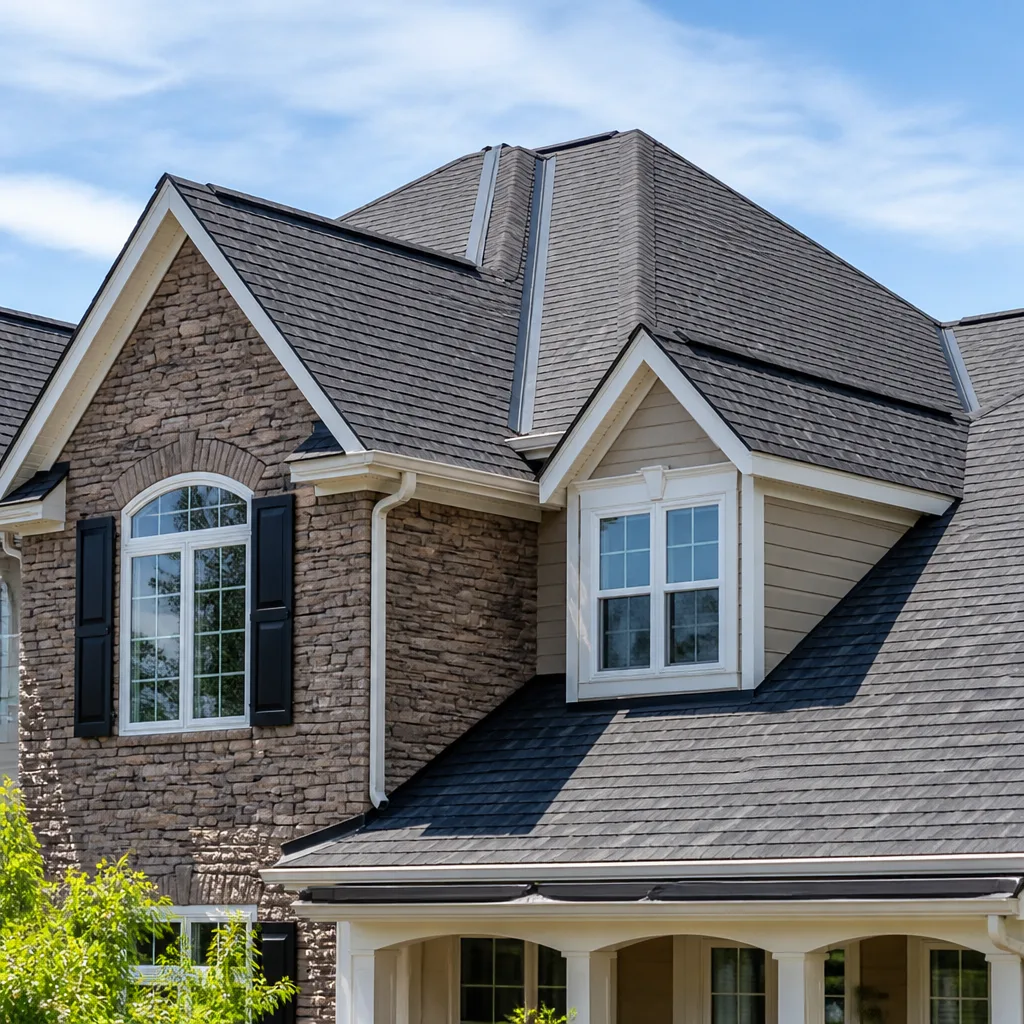 Architectural shingles
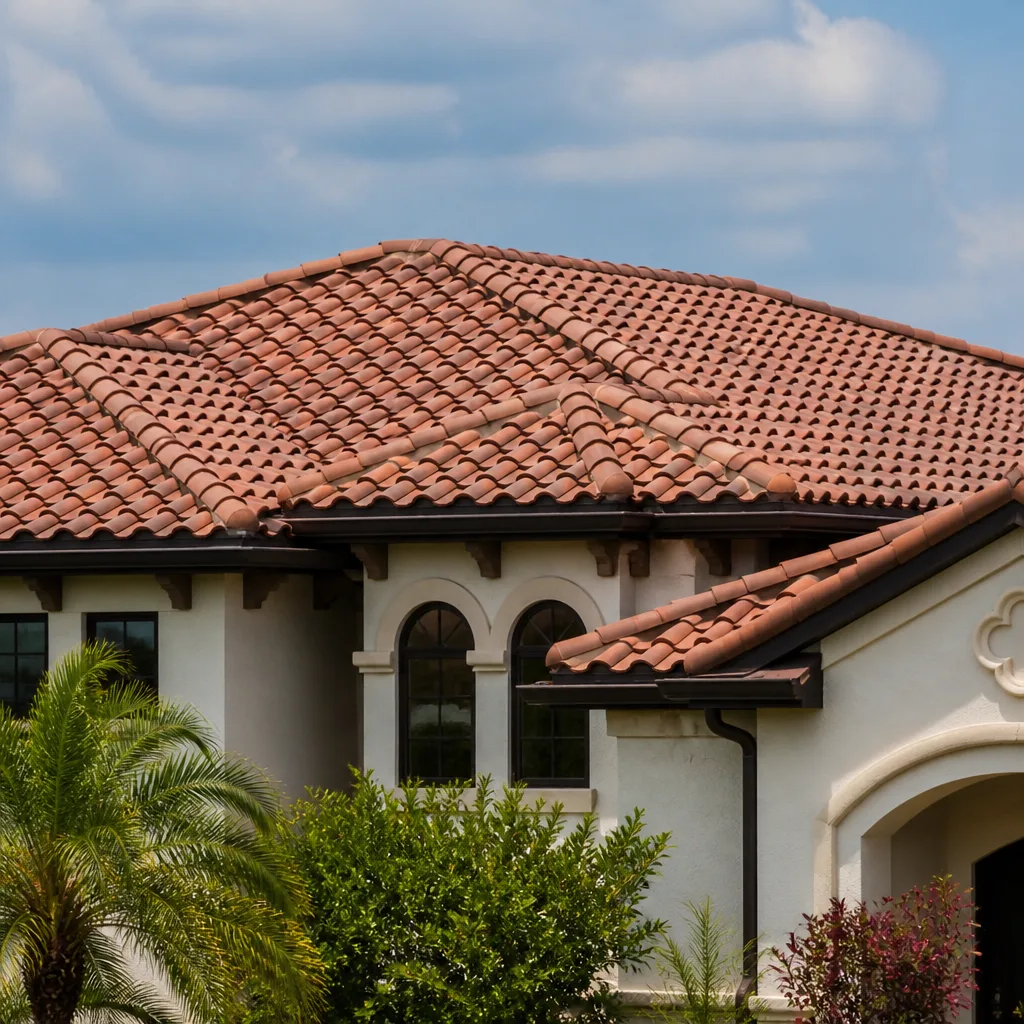 Tile roofing
 GAF
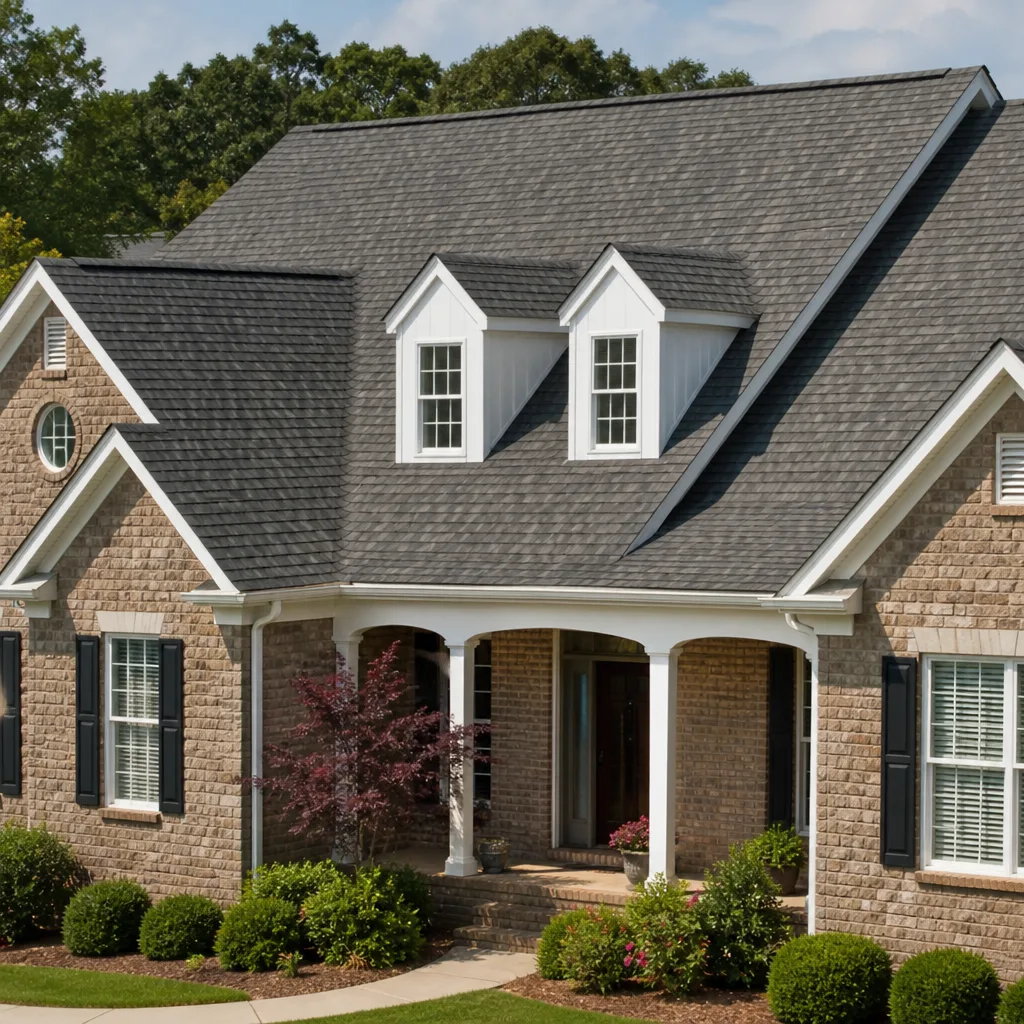 Owens Corning
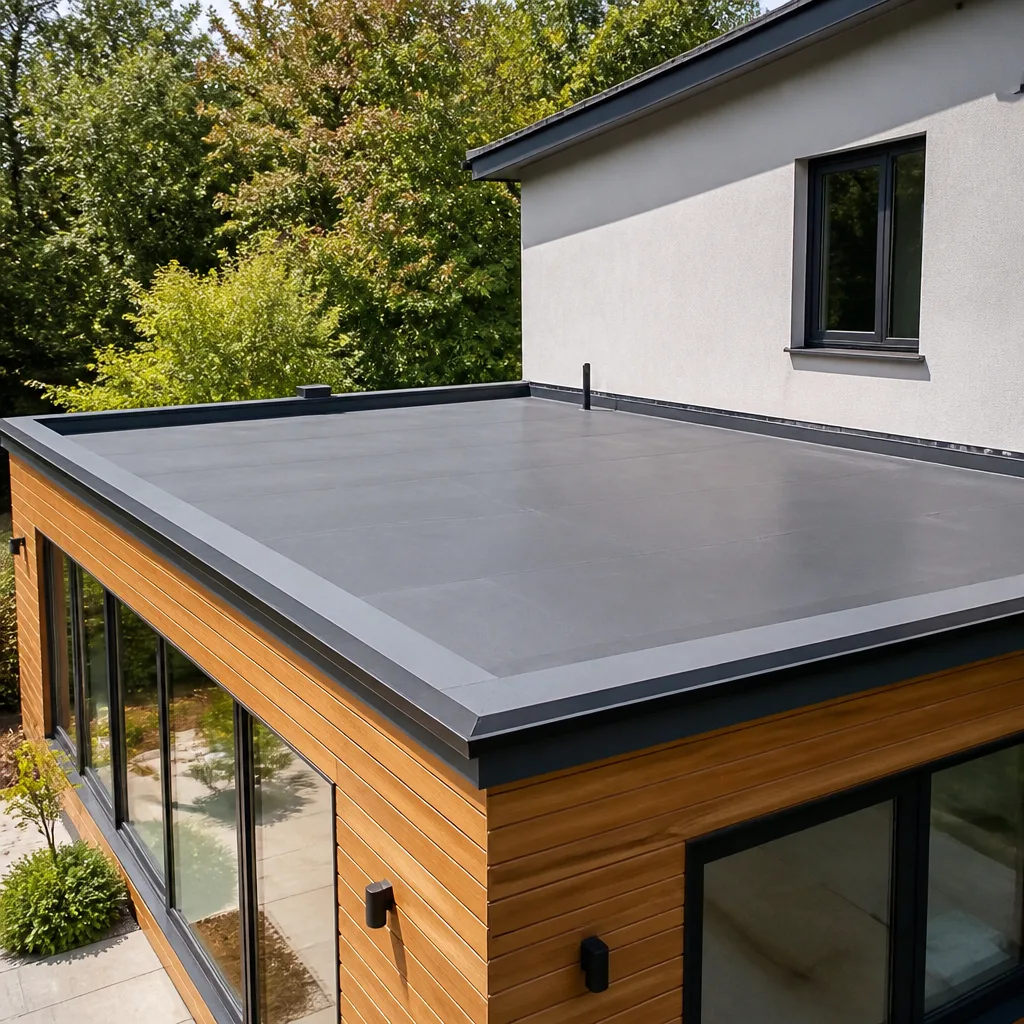 Flat & low-slope
Free roof inspection with deck photos before we talk money - GAF and Owens Corning certified installation
How to Hire a Roofing Contractor in Ventura: A Step-by-Step Guide
Most homeowners in Ventura County assume a contractor’s license is the whole story. It isn’t. A roofing contractor can hold a perfectly valid state license and still have never pulled a permit through the City of Ventura’s building department, never worked on a pitched roof above the beach-side neighborhoods, and never had a job inspected by a Ventura city inspector. That gap doesn’t show up until the work is done and the inspection fails. This guide teaches you what to ask beyond “are you licensed” – the specific questions that separate crews who know Ventura from crews who treat every job like it’s in the Valley. You’ll learn how to read an estimate line by line, spot a brand-locked sales pitch, and interview a contractor with a script built for this city’s roofs.
Quick Answer
Hiring a roofing contractor in Ventura means three things: verify the state license and insurance certificate (including the additional insured endorsement), confirm the contractor has pulled permits in the City of Ventura before, and read the written estimate line by line before you sign. A roofing contractor worth hiring offers material choice across multiple manufacturers, explains decking and flashing costs up front, and inspects before recommending a full replacement.
Styles & brands we work with
- Architectural shingles
- Metal roofing
- Tile roofing
- GAF
- Owens Corning
- Flat & low-slope
Table of Contents
- Why Hiring a Roofing Contractor in Ventura Is Different
- Step 1: Verify the License and Insurance Certificate
- Step 2: Ask About Permit History With the City of Ventura
- Step 3: Spot the Brand-Loyalty Trap
- Step 4: Read the Estimate Line by Line
- Step 5: Understand What “Insured” Really Means
- Step 6: Use This Contractor Interview Script
- Roofing Contractor Red Flags Specific to Ventura
Why Hiring a Roofing Contractor in Ventura Is Different
Ventura’s roofing market has quirks that general contractors from other Southern California cities often miss. The city sits on the coast, with hillside neighborhoods close to the beach on one side and inland residential tracts on the other. That geography affects how roofs age, how wind-driven rain behaves, and how long an inspection takes. A roofer who works mostly inland may be excellent at their trade and still be learning how Ventura roofs fail.
The building department matters too. Roofing is one of the trades where permits are easy to skip and easy to get caught on later. A re-roof without a permit can complicate a future sale, and an inspector who wasn’t expecting the work can demand corrections after the shingles are already nailed down. Our technicians have up to experience, and in that time we’ve seen how much smoother a job goes when the permit was pulled correctly from the start.
Here are the local factors a Ventura contractor should be able to talk about without hesitation:
- Wind exposure. Uphill lots and open corners take more wind than protected interior blocks. Fastener pattern and ridge attachment should match the exposure, not just the code minimum.
- Sun and heat cycling. Shingles on south- and west-facing slopes in Ventura age faster. A contractor who knows this can help you plan replacement on a realistic timeline.
- Neighborhood-specific roofing stock. Older homes in midtown and the hillside streets often have shingles from manufacturers like GAF, Tamko, or Atlas. Matching those during a repair keeps the roof looking consistent.
- City permit process. The City of Ventura’s building department has its own submittal expectations. Ask any contractor whether they’ve pulled a roofing permit in the city specifically, not just anywhere in the county.
This is the difference between a licensed roofer and a roofer who knows Ventura. Both matter. Only one saves you from a failed inspection.
Step 1: Verify the License and Insurance Certificate
Start with the basics, but go past the business card. Any roofing contractor working in Ventura should be able to produce their license number and their certificate of insurance on request. If they hesitate, that’s your answer.
Here’s how to check without relying on the contractor’s word:
- Look up the license. The California State License Board runs a free lookup. Confirm the license is active, and check that the classification is appropriate for roofing work. A license that shows as suspended or expired is a hard stop.
- Ask for the certificate of insurance. This is a separate document from the license. It should show general liability and workers’ compensation coverage. If the workers’ compensation section says “exempt” and the contractor has employees, ask why.
- Verify the certificate is current. Certificates have expiration dates. An out-of-date certificate means coverage may have lapsed, even if the contractor was insured when the document was issued.
- Confirm the legal business name. The name on the license, the insurance certificate, and your written contract should match. Mismatches are worth questioning before you sign anything.
One more step that most homeowners skip: ask the contractor to give you the phone number for their insurance agent. A legitimate contractor will have one ready. That call takes two minutes and confirms everything on the paper certificate is real.
We work with independent local roofing professionals and want you to do this check with any contractor you’re considering, including us. Verification is a basic part of a good hiring decision, not an insult.
Step 2: Ask About Permit History With the City of Ventura
A roofing contractor can be fully licensed and still have never pulled a permit through the City of Ventura’s building department. That’s the gap this section is about. Roof replacement almost always requires a permit in Ventura, and a repair that touches structural sheathing or changes the roof’s profile may as well. When a contractor skips the permit, the homeowner is the one who inherits the problem.
Ask these questions when you interview a contractor:
- “Have you pulled a roofing permit from the City of Ventura before?” – The direct question. Listen for a specific yes, not a vague “we work all over the county.”
- “Who submits the permit application – you or me?” – A contractor who does the paperwork is showing they know the process.
- “Who meets the inspector on site?” – The contractor should be the one there to walk the roof with the inspector, not just the homeowner.
- “What happens if the inspector flags something?” – The right answer: the contractor handles the correction without nickel-and-diming you. The wrong answer: an excuse about inspectors being difficult.
- “Will you show me the permit number before work starts?” – A simple yes or no. If it’s yes, write it into the contract.
Permits are how the city confirms the roof meets code. When a contractor pulls a permit and passes inspection, you get a paper record of a compliant roof. When they don’t, you get a roof that may or may not be right and no way to prove it. That paper trail matters enormously when you sell the home.
We pull permits for roofing work in Ventura and make sure the inspection is handled before the job is closed out. That’s a standard part of roof replacement work, and a question you should raise with any contractor.
Step 3: Spot the Brand-Loyalty Trap
Here’s a signal homeowners often misread: the contractor who shows up and talks about one shingle brand, in depth, with a pitch deck. That can feel like expertise. Sometimes it is. But more often, a contractor who pushes only GAF or only Owens Corning is running a business model, not offering you a recommendation based on your roof.
There’s nothing wrong with a contractor having manufacturer relationships. Most serious roofers do. The issue is when the relationship dictates the answer before the roof has even been inspected. You want the contractor who sees your roof, understands your budget, and then says “here are the two or three options across these brands that fit.” You don’t want the contractor who arrives with one option and spends the rest of the visit explaining why nothing else is worth considering.
We install and repair roofs across seven leading shingle lines, including GAF, Tamko, and Atlas. That portfolio exists for one reason: your roof should get the right material for its pitch, its exposure, and your budget, not whichever brand happens to be sitting in a particular contractor’s preferred order sheet. When a contractor offers you only one manufacturer, ask a simple question: “If I wanted a different brand, would you be able to install it?” The answer tells you what you need to know.
What to ask instead of “which brand is best”:
- “Which of these options matches the shingles already on my roof?” – Relevant for repairs, and a real question for contractors who stock across brands.
- “What’s the warranty difference between these two lines?” – A contractor who works across brands can answer this accurately. One who doesn’t will have to improvise.
- “Why did you pick this material for my roof specifically?” – Look for an answer grounded in pitch, sun exposure, and ventilation, not in brand slogans.
- “Can you show me a repair option and a replacement option?” – A repair-first contractor will happily offer both. A replacement-only contractor will explain why the repair isn’t possible.
The best roofing contractors in Ventura lead with an inspection, not a brand. Material choice is a service to the homeowner. A single-brand pitch is a service to the contractor’s margin.
Step 4: Read the Estimate Line by Line
An estimate is where good contractors and slippery contractors separate. Both arrive as a document. Only one is honest about what’s in it. Read every line and ask about anything vague.
Here are the line items to look for and what they tell you:
- Tear-off. A full tear-off means the old roofing material is removed down to the deck. An overlay means new shingles are laid over the old. Overlays are cheaper and sometimes acceptable, but you should know which one you’re getting, and why. An estimate that doesn’t say is an estimate that’s hiding something.
- Decking contingency. The plywood under your shingles is the decking. Once the tear-off exposes it, damage may be found. Honest estimates include a per-sheet price for replacing damaged decking, so you know the cost up front. Estimates that just say “decking extra” leave the door open for a big bill later.
- Underlayment. What goes under the shingles matters as much as the shingles. The estimate should specify the type and, if the contractor works across brands, the material family. Vague “synthetic underlayment” wording with no specification is a place bids get padded.
- Flashing replacement. Flashing is the metal around chimneys, vents, and valleys. A real roofing estimate lists which flashing will be reused and which will be replaced. “Reuse existing flashing” without inspection is a shortcut that causes leaks.
- Ventilation. Ridge vents, soffit vents, and intake ventilation. If your new roof is airtight without ventilation updates, you may trade a leak for a moisture problem.
- Disposal. Old shingles don’t disappear. Dumpster and haul-away costs should appear as a line, not vanish into a general “materials” total.
- Permit cost. The permit fee is a real line item. If it’s missing, ask where it is.
If an estimate is a paragraph rather than a line-item document, ask for a rewritten version. A contractor who can’t itemize their bid is telling you something about how they’ll handle a change order.
Step 5: Understand What “Insured” Really Means
Most homeowners know to ask “are you insured.” That question is a starting point, not the finish line. The document that matters most in roofing is the additional insured endorsement.
Here’s why. When a contractor has general liability insurance, that coverage protects the contractor. If a ladder falls on your car or a shingle slides into your window, the contractor’s policy pays. But if a dispute arises and the payment becomes complicated, you can end up in a slow argument between insurance companies where the contractor’s policy is the one being defended. An additional insured endorsement puts your name on the contractor’s policy as someone who is covered. Now the insurance defends both of you, and the process moves faster.
For roofing work specifically, additional insured coverage matters because roofing is high-exposure. People work at height. Materials fall. Windows break. A contractor who offers the endorsement without being asked is a contractor who understands how roofing jobs go wrong and has planned for it.
Ask for the following when you review the certificate of insurance:
- General liability coverage with an active policy date.
- Workers’ compensation coverage – or a clear explanation if the contractor is a sole proprietor without employees.
- An additional insured endorsement naming you, the homeowner, for the duration of the project.
- A certificate of insurance sent directly from the insurance agent to you, not forwarded by the contractor.
If the contractor balks at adding you as additional insured, that’s a strong signal. A roofing contractor who runs a clean operation adds the endorsement as a matter of routine.
Step 6: Use This Contractor Interview Script
Here’s a script you can run with any roofing contractor you’re considering in Ventura. Write the questions down before the visit and take notes on the answers. The contractor who is comfortable with all of them is the contractor you want.
Start with the basics:
- “What’s your license number, and can you show me the certificate of insurance?” – Basic but non-negotiable.
- “Have you pulled a roofing permit in the City of Ventura before?” – Specific to the building department.
- “Who’s the inspector on the project, and will you be there for the inspection?” – Confirms the process doesn’t get dropped.
Then move to materials and process:
- “What’s on my roof right now – which brand, and what’s its condition?” – A contractor who can name what’s there already has worked with it before.
- “If a repair would solve this, would you recommend it over replacement?” – The repair-first question. Listen for a thoughtful answer, not a reflexive one.
- “Which brands do you work with, and why would you pick one over another for my roof?” – Cross-brand answer is the right one. Single-brand answer is worth a second question.
- “Walk me through your estimate – what’s tear-off, what’s the decking contingency, and which flashing gets replaced?” – Transparency check.
Finish with the questions that reveal whether the contractor knows Ventura specifically:
- “How does this roof’s exposure compare to other roofs you’ve done in the city?” – Tests local familiarity with wind, sun, and hillside conditions.
- “Have you worked on roofs in neighborhoods near [yours] before?” – An answer that names specific Ventura neighborhoods is a good sign.
- “What’s the most common roofing failure you see in Ventura, and why?” – A grounded answer here is worth more than any sales pitch.
If a contractor answers all ten with confidence, you’ve found a roofing contractor who knows how to work in Ventura. Our technicians have up to experience, and we’re happy to walk through every one of these questions with you – see our roof repair page for how that conversation usually goes.
Roofing Contractor Red Flags Specific to Ventura
Not all red flags are universal. Some are specific to this city’s roofing market. Watch for these during the hiring process:
- Vague about the permit. A contractor who says they “usually don’t need to pull a permit for repairs” may be right in certain cases and wrong in others. They should be able to point to the specific city guidance, not offer a general assurance. In Ventura, roof replacement permits are the norm, and any contractor who tries to talk you out of one is a problem.
- One brand, one price. A roofing estimate that shows only one shingle option and no reasoning behind it is more about the contractor’s order sheet than your roof. You should be looking at real material options, not a scripted pitch.
- No decking line in the estimate. When a contractor’s estimate doesn’t include a per-sheet decking contingency, expect a surprise charge when the tear-off reveals soft wood. A transparent contractor names that cost up front.
- Pressure to replace what can be repaired. If a contractor won’t consider repair as an option, they may be selling replacement. Get a second opinion before signing a tear-off.
- No local references. Ask for two recent references from roofing work in Ventura. A contractor who can’t name a single job in the city is a contractor who hasn’t worked here.
- Insurance “yes,” endorsement “no.” A contractor who says “of course we’re insured” but won’t add you as additional insured is offering coverage that protects them, not you.
- Wide range bids. A bid that jumps wildly between two contractors on the same scope of work usually means one of the two has left something out. Ask what’s missing before you assume the cheaper bid is the better one.
These red flags don’t come up every time. But when they do, they point to a pattern: a contractor who is running a business on shortcuts, not on the specifics of your house.
Common Mistakes to Avoid
- Assuming “licensed” is enough. A valid state license confirms minimum standards, not permit history or local experience. Always ask the follow-up questions about the City of Ventura’s building department before you sign.
- Skipping the additional insured endorsement. “They have insurance” is the wrong question. The right question is whether you’re covered by that insurance. Endorsement details protect you when something goes wrong on the roof.
- Judging an estimate on the bottom number alone. Two estimates can look similar at the bottom line and be wildly different in scope. One includes decking; one doesn’t. Read every line before comparing.
- Accepting a one-brand pitch as expertise. Contractors who work across multiple manufacturers – GAF, Tamko, Atlas, and others – give you real material choice. Single-brand sales visits don’t.
- Letting the contractor decide repair vs. replacement on the first visit. Wait for the inspection report. A repair-first contractor will offer repair when it’s an option; a replacement-first contractor won’t.
- Not asking who meets the inspector. The contractor who meets the inspector has skin in the game. The one who doesn’t hashed out after the tear-off has a convenient excuse when something fails.
- Forgetting to ask for local references. Two recent Ventura references is the minimum. Get them, and call them.
See the difference
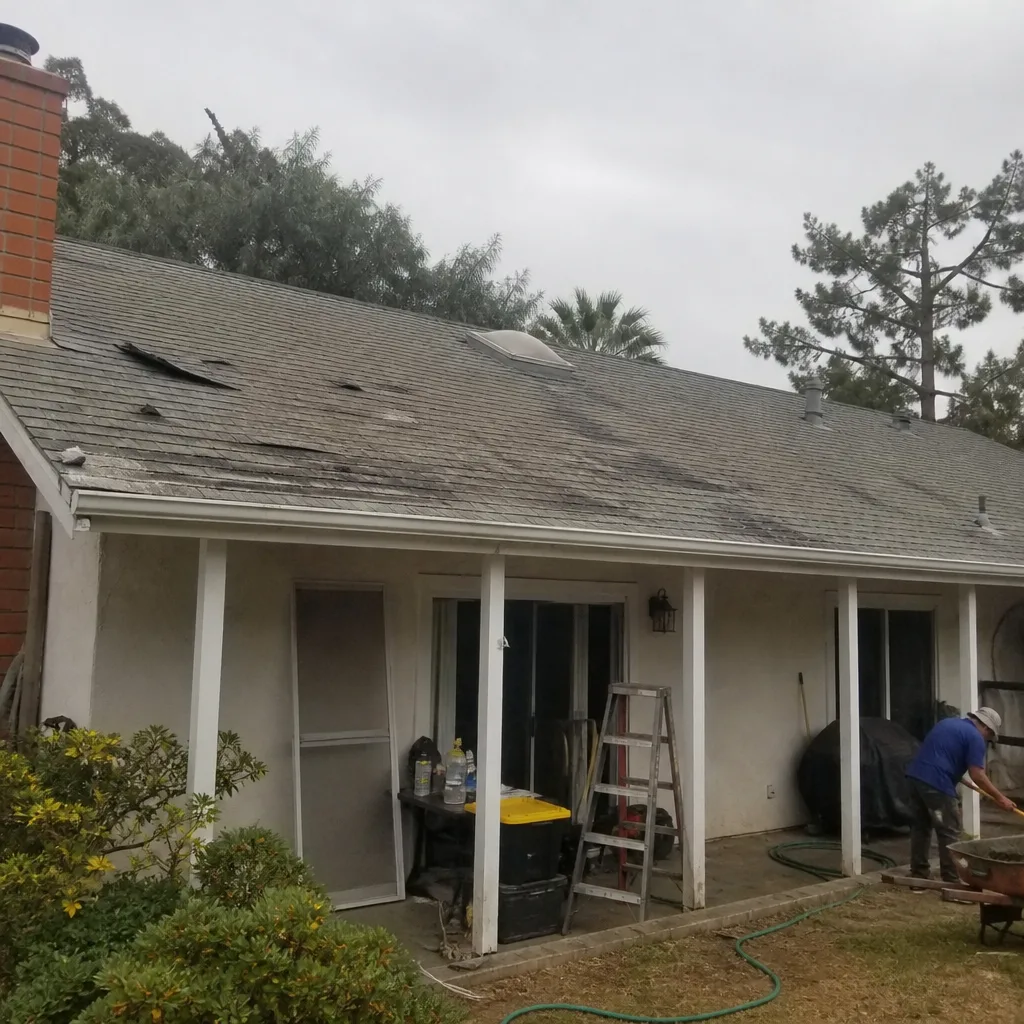 Before
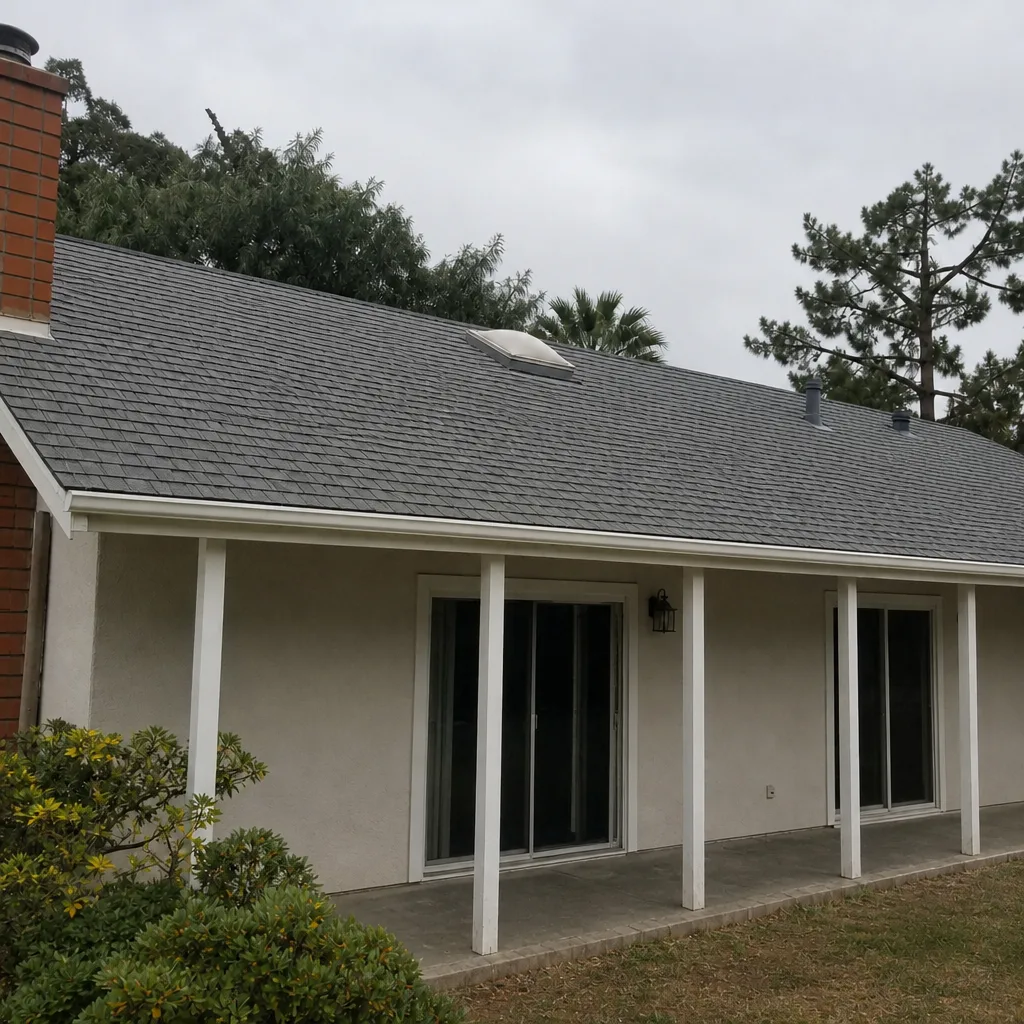 After
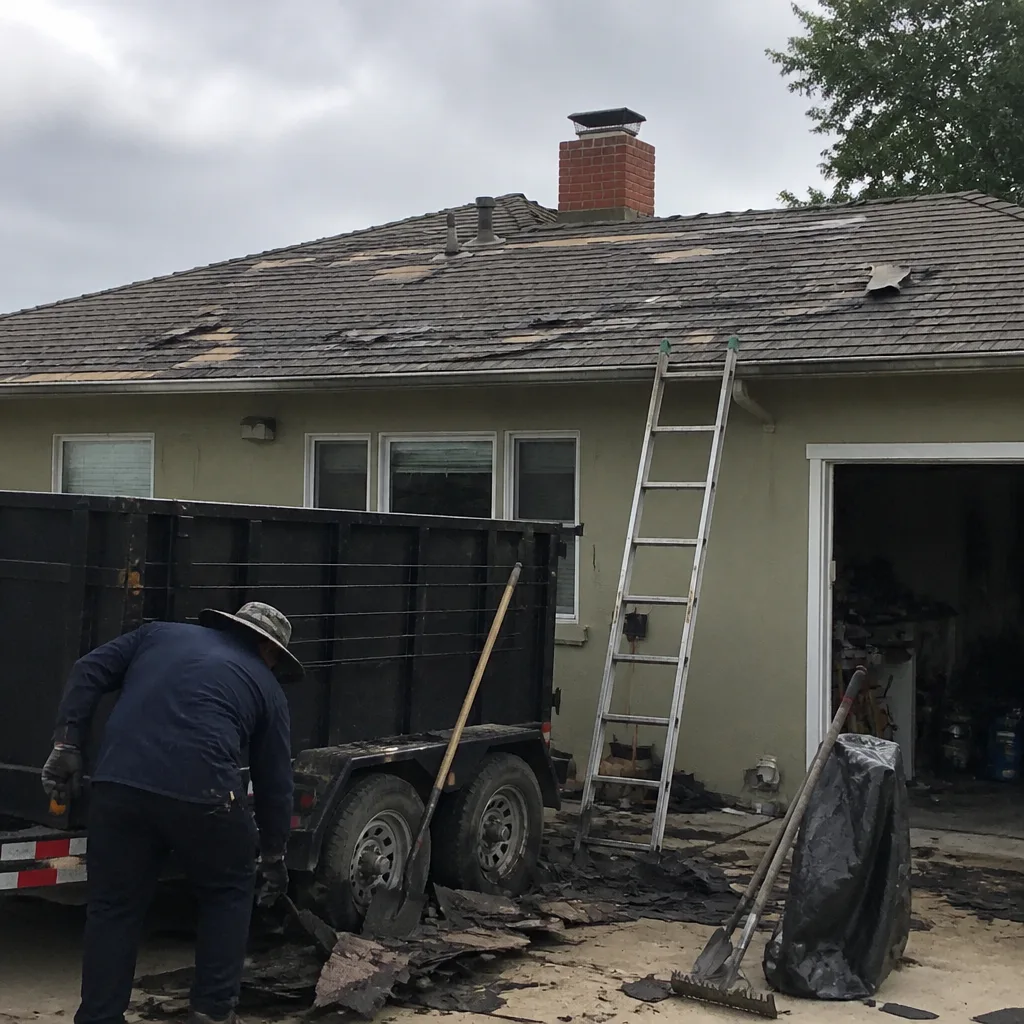 Before
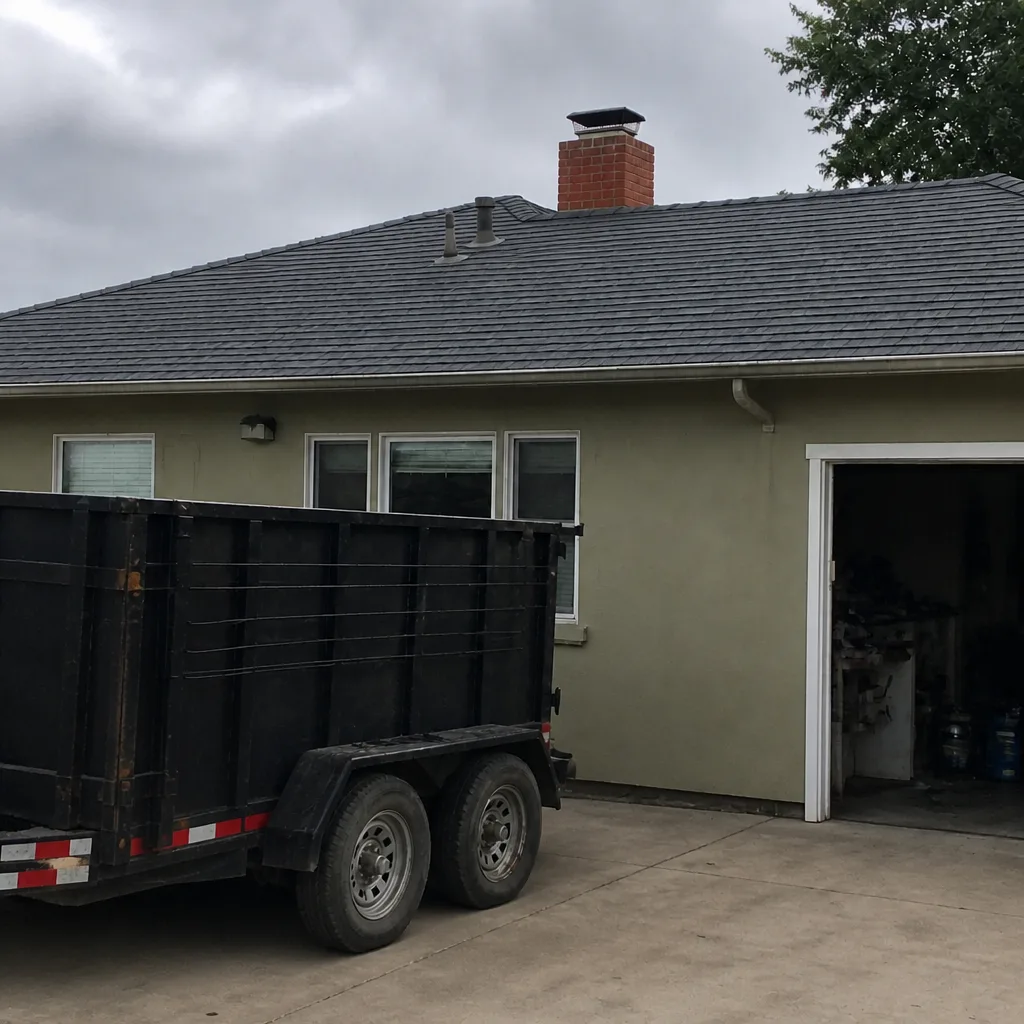 After
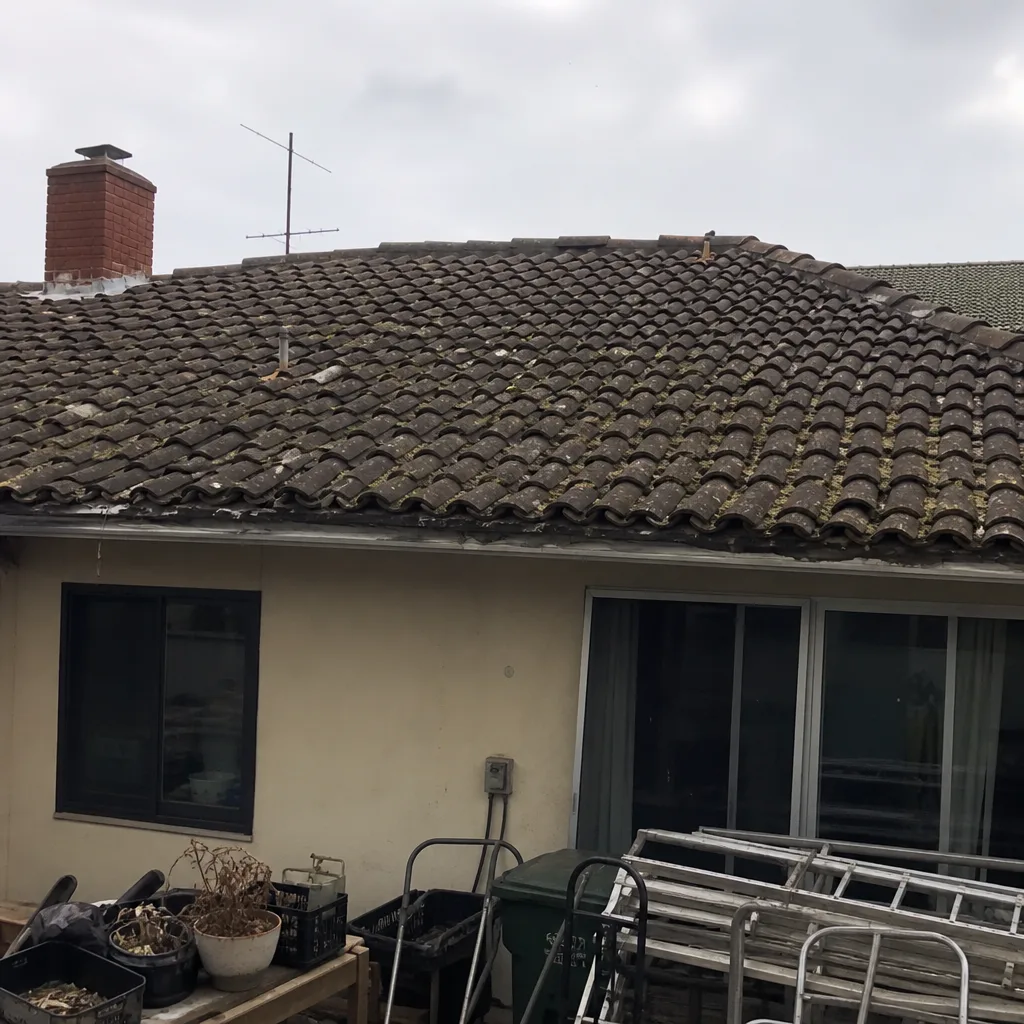 Before
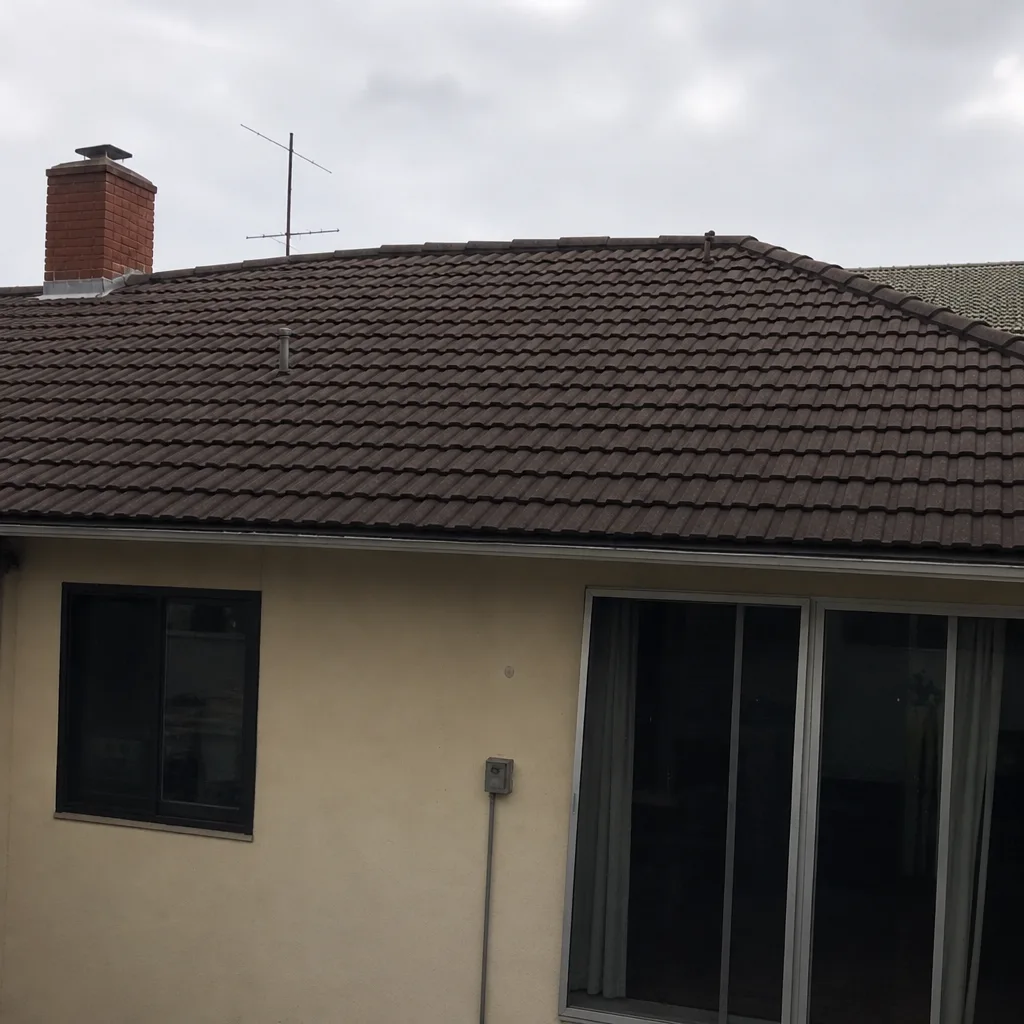 After
When to Call a Professional
Not every roofing question needs a contractor visit. But these situations do, and the sooner you call, the better:
- A leak you can’t trace. Ceiling stains that show up after rain but don’t have an obvious source need an inspection. The source is often several feet from the stain.
- Wind or storm damage. Missing shingles, lifted flashing, or granule loss after a weather event warrant a look before the next rain.
- Sagging roof decking. A dip you can see from the curb is a structural concern, not just a roofing one.
- A roofing quote without a line-item estimate. If the bid you have is a paragraph, get a second opinion before you sign.
- Any roof above the ten-year mark. Shingles don’t get inspected by homeowners often enough. A professional inspection tells you the actual condition, not the guess based on age.
Hartwell Roof Repair offers free estimates in Ventura. Our technicians have up to experience, and we work across seven leading shingle brands, so you get material choice alongside the inspection. Hartwell Roof Repair handles inspection, repair, and replacement through one team, which means you don’t have to juggle multiple contractors or two conflicting opinions. Call (833) 946-8911 to schedule your free estimate. We answer 24/7. Fast dispatch from 7am to 7pm, Sunday through Friday.
Frequently Asked Questions
Most full roof replacements in Ventura require a permit through the City of Ventura’s building department, and repairs that touch structural decking or change the roof profile may also require one. Ask your contractor whether the specific job requires a permit, and confirm they’ve pulled roofing permits in the city before. If a contractor is vague about permits, call (833) 946-8911 for a second opinion – estimates are free.
Licensed means the contractor holds a valid state license through the California State License Board. Permitted means the contractor pulls a permit from the city for the specific job and has it inspected. A contractor can be licensed and still never have pulled a permit in your city. Both matter, and both should be part of your hiring checklist. Call (833) 946-8911 to schedule a free inspection and go through the checklist with us.
The certificate of insurance protects the contractor; the additional insured endorsement is what covers you. Ask the contractor to add you as an additional insured for the duration of the project, and have their agent send the certificate directly to you. If they can’t or won’t, that’s a strong signal to walk away. Call (833) 946-8911 for an exact quote – estimates are free.
A single-brand contractor is often reflecting their business model rather than the best fit for your roof. You’ll get better material choices from a contractor who works across multiple manufacturers – brands like GAF, Tamko, and Atlas, for example – because they can match the shingle to your roof’s pitch, sun exposure, and budget. Call (833) 946-8911 for an exact quote – estimates are free.
Many roofing problems that get quoted as replacements can be solved with a targeted repair. If your contractor didn’t inspect the roof before recommending replacement, ask for a second opinion. A repair-first contractor will offer repair as an option when it’s viable. Call (833) 946-8911 for a free inspection and an honest diagnosis before you commit to a tear-off.
A written line-item estimate should take a contractor a few days after the inspection, not weeks. If you’re waiting on a bid and getting pressure to sign another contractor’s quote, that’s a sign to keep the process open. Call (833) 946-8911 for an exact quote – estimates are free.
The Bottom Line
Hiring a roofing contractor in Ventura isn’t mainly about license verification. License checks are table stakes. The difference between a contractor who costs you money and one who saves it comes down to three things: whether they’ve actually pulled permits in the City of Ventura, whether they offer real material choice across brands, and whether their estimate is a line-item document you can read. A repair-first contractor who inspects before recommending, works across multiple shingle brands, and shows you the decking and flashing lines in their estimate is a contractor you can hold to. Hartwell Roof Repair stands behind the work we do, and one call covers inspection through replacement. Call (833) 946-8911 to schedule your free estimate. We answer 24/7. Fast dispatch from 7am to 7pm, Sunday through Friday.
Written by the team at Hartwell Roof Repair.