
Last updated November 16, 2026
 Architectural shingles
 Metal roofing
 Tile roofing
 GAF
 Owens Corning
 Flat & low-slope
Free roof inspection with deck photos before we talk money - GAF and Owens Corning certified installation
Roof Repair Maintenance Checklist for Ventura Homeowners
The number-one maintenance mistake Ventura homeowners make isn’t skipping inspections. It’s timing them wrong. By the time December rains have found every gap in your roof, the October window to seal those gaps has already closed. Most checklists you’ll find online were written for a generic American climate, which means they tell you to look at the wrong things at the wrong time of year. This guide ties every maintenance task to Ventura’s actual damage calendar: the Santa Ana winds that arrive before the winter storms, the post-storm window when damage is freshest and easiest to fix, the high-UV summer months that age shingles and sealants faster than many homeowners expect, and the marine-layer humidity season that quietly feeds moss and algae growth. You’ll learn what you can safely check from the ground, what needs a professional set of eyes, the five Ventura-specific failure points most checklists miss, and how to document your roof condition so you have a defensible maintenance record when insurance or a home sale requires one.
Styles & brands we work with
- Architectural shingles
- Metal roofing
- Tile roofing
- GAF
- Owens Corning
- Flat & low-slope
Quick Answer
A roof maintenance checklist for Ventura should be seasonal, not annual. Check your roof and attic after every major rain event, inspect cap flashing, ridge mortar, valleys, and soffit vents before Santa Ana wind season, photograph north-facing slopes for moss during the humid summer months, and get a professional inspection at least once a year. Waiting until winter to look for problems is the single most common timing error we see in Ventura.
Table of Contents
- Why Ventura’s Roof Damage Calendar Matters More Than Any Checklist
- The Month-by-Month Roof Maintenance Calendar for Ventura
- What You Can Safely Check vs. What Needs a Professional
- The Five Ventura-Specific Failure Points Most Checklists Miss
- How to Document Roof Condition With Dated Photos
- What “Passing” a Self-Inspection Actually Means
- When a Maintenance Check Should Become a Repair Call
- Choosing Roofing Materials for Ventura’s Climate
- Common Mistakes to Avoid
- When to Call a Professional
- Frequently Asked Questions
- The Bottom Line
Why Ventura’s Roof Damage Calendar Matters More Than Any Checklist
Every climate delivers a different pattern of strain, and in Ventura that pattern is seasonal and predictable. The Santa Ana winds arrive first, typically in late fall, and they do two things: they drive debris into valleys and behind flashing, and they test every loose piece of roofing that’s been loosening since the last season. When the winter rains follow, the debris-packed valleys and separated flashing become leak points. Then spring and summer arrive with strong UV sun that ages shingles, dries out sealant, and cracks tile mortar. Through the humid months in between, marine-layer moisture settles on north-facing slopes and feeds the early stages of moss and algae.
This sequence is why maintenance timing matters so much in Ventura. A check performed in October, before the winds and rain, catches problems while they’re small and inexpensive to fix. The same check performed in January finds them after water has already reached the decking, sheathing, and possibly the interior of your home. The physical damage is the same on both dates, but the cost and scope of the repair can be dramatically different.
There’s also a materials angle. Ventura hosts a wide mix of roof types: clay tile on older homes, asphalt shingles on mid-century and newer builds, and flat or low-slope sections on additions and garages. Each material ages on its own schedule under the same weather, which means the checklist task for a tile roof looks different from the task for a shingle roof. When you later decide what material to install or repair with, a company that can work across multiple lines, like GAF, CertainTeed, or Tamko shingles, gives you real choices rather than a single forced option. That’s a philosophy at the core of how Hartwell Roof Repair works, and it matters most when you’re matching a repair to a roof that’s already in place.
If you only remember one thing from this guide: do the right check at the right time of year. The maintenance calendar below is built entirely around that idea.
The Month-by-Month Roof Maintenance Calendar for Ventura
This is the working calendar we recommend to Ventura homeowners. Notice that it clusters work into specific windows rather than spreading it evenly. The goal is to finish preventive work before the weather that would exploit a weakness.
- September – October (pre-Santa Ana): Clear all debris from valleys and behind flashing. Check for loose cap flashing on stucco walls. Look for lifted, curled, or missing shingles. Verify ridge tiles aren’t loose or cracked. This is the most important window of the year, because Santa Ana winds will test everything you didn’t secure.
- November – January (storm season): After every significant rain, do a brief attic and ceiling check. Look for water staining, damp insulation, or daylight in the decking. Walk the perimeter of your home at the ground and inspect the fascia and wall junctions for water trails. This is a quick visual each time, not a full inspection.
- February – March (post-storm): The most accurate inspection window of the year. Damage is fresh and easy to trace. This is when small repairs found during the rains should be scheduled. Post-storm repairs often cost less than the same repair discovered months later.
- April – June (pre-summer): Address any remaining issues before the sun intensifies. Check sealants at penetrations, inspect attic ventilation to confirm soffit vents aren’t blocked, and photograph north-facing slopes to document moss or algae growth before the humid season.
- July – August (peak UV summer): UV ages shingles and dries out flashing sealant. Watch for cracking sealant and gradual granule loss on shingle roofs. Do a light ground-level visual but avoid walking the roof in this season when shingles are hot and brittle.
- Summer humidity season: Monitor north-facing slopes for early moss or algae growth. Trim tree limbs that shade those slopes and hold moisture. This is a documentation and trimming task, not a roof-cleaning task.
Add a professional roof inspection to this calendar once a year, ideally in the February – March window, when post-storm conditions give the clearest diagnostic picture. If you’ve had a roof repair in the past, that’s worth scheduling the inspection to follow the repair by one year, so you can confirm the repair has held through a full weather cycle.
What You Can Safely Check vs. What Needs a Professional
There’s a real safety line here, and knowing where it is keeps you off a roof that isn’t safe to walk on and keeps you from missing damage a professional would see in minutes. Some checks are genuinely within a homeowner’s reach. Others are not, and pretending otherwise is how injuries happen.
Safe to check yourself:
- Attic leaks and staining from inside, especially after rain. Look for water trails on the decking, damp insulation, and daylight showing through.
- Ceiling and wall stains inside your home. A brown ring or a bubbling patch is a leak symptom worth tracking.
- Ground-level gutters and fascia. Water marks on fascia boards and obvious debris piles are yard-level signals.
- Roof condition from a low ladder, if the ladder is stable and you stay at a safe height. Look at the roof plane for missing or lifted shingles and visible debris buildup. Never step onto a pitched shingle roof yourself; a damp or aging shingle roof is more slippery than it looks.
- Tree proximity and shade. Note which limbs overhang the roof and shade north-facing slopes.
- Fastener and sealant condition at visible penetrations you can see from a safe position.
Not safe without a professional:
- Any work on high-slope or steep-pitch roof sections, and any work above a single story.
- Ridge caps, cap flashing attachment, and anything requiring secure footing along an edge.
- Tile mortar work at ridges and hips, since old mortar can fail while it’s being handled.
- Anything involving electrical penetrations, HVAC vents, or skylight frames.
- Cleaning moss or debris off a steep slope. Ladder work on a pitched surface is a leading cause of injury.
In our experience, homeowners are usually right about the symptoms and wrong about the cause. A ceiling stain that looks like it’s above the leak is often the water traveling several feet along a valley or along sheathing before dripping. That’s why professional eyes matter most after the storm window, when the source matters and the symptom can be misleading. Fast dispatch from 7am to 7pm, Sunday through Friday, makes it easy to get a professional visual while the conditions are still fresh.
The Five Ventura-Specific Failure Points Most Checklists Miss
Generic checklists focus on missing shingles and visible leaks. Those matter, but in Ventura they tend to be late-stage symptoms of the five failure points below. Each of these gets worse over time and is far less expensive to address early.
- Cap flashing on stucco walls. Ventura has a lot of stucco-finished walls, and where the roof meets a stucco wall, the cap flashing carries the water. Sealant along that junction dries out and pulls back within a few years. Water then wicks behind the stucco. Check the flashing seal annually and look for a visible gap between the flashing and the wall. This is the leak source most often missed, because the failure happens out of sight behind the wall finish.
- Tile mortar at ridges. Mortar at the roof ridge and hip lines weathers and cracks under UV and moisture. On a tile roof, the ridge mortar is the roof’s loftiest and most exposed junction. Loose or cracked mortar allows water into the underlayment below and can allow a ridge tile to shift. A professional look at ridge mortar should be on every tile-roof homeowner’s annual inspection list.
- Soffit vent blockage. Ventura’s air carries fine particulate that settles slowly in soffit vent screens, and most homeowners never look up there. Blocked soffit vents reduce attic airflow, which lets heat and moisture build up and shortens the life of the roof structure beneath. When you’re checking attic circulation, confirm soffit vents are clear and unobstructed.
- Valley buildup from eucalyptus debris. Eucalyptus is common in Ventura and sheds an oily, heavy debris that packs into roof valleys and traps moisture against the roofing. Valleys are the roof’s drainage channels; when they clog, water backs up and finds a way in. If you’re under or near eucalyptus, clear your valleys before every rain season, and clean them again after strong wind events that strip the trees.
- Moss initiation on north-facing slopes. North-facing slopes get less sun and stay damper through the humid months, and moss takes hold first on those slopes. Early moss looks like a faint green film and can be managed if caught early. Left alone, it holds moisture against the shingles and lifts edges, opening the path to leaks. Photograph north-facing slopes once a season so you can see whether growth is progressing.
One note on repair vs. replacement: all five of these are usually repair-and-maintain items, not replacement triggers. That aligns with the repair-first thinking we bring to a roof from the first inspection, and it’s the reason a homeowner shouldn’t be talked into a full replacement just because a ridge mortar crack or a flashing gap is found. Repair it, document it, and keep watching it through the next weather cycle.
How to Document Roof Condition With Dated Photos
A dated photo log is one of the most practical things you can build as a homeowner. When an insurer questions a claim, when a home sale inspection finds a question, or when a future repair is being scoped, dated photos settle arguments. Build yours once, then add to it annually and after every major weather event.
What to photograph and when:
- Each roof elevation (front, back, left, right) from a safe ground or low-ladder position. Take one set in the same month each year so the comparison is fair.
- North-facing slopes in the humid season, especially if moss has appeared.
- Valley and gutter areas before and after the rain season, to show they were cleared.
- Attic leak evidence, with a photo of the decking and one of the adjacent ceiling area. Include a visible date reference in each shot.
- Any repair work, taken before and after, showing the finished repair.
How to keep the record usable: Store the photos in one folder, with filenames that include the date and the roof face. Keep a simple written log next to them noting any professional inspection or repair and who performed it. If you’ve had a repair done, request if available a written description of the work and material used. When a repair matches the existing brand line, such as a GAF or CertainTeed shingle matched to your existing roof, that detail is worth noting in the record, because it confirms aesthetic and warranty continuity.
This log serves a second purpose: it tells you what’s changing. Comparing photos from year to year reveals whether the moss is spreading, whether flashing sealant is pulling back, and whether the shingles are losing their surface. A picture you took last year is worth ten guesses about whether the roof has changed.
What “Passing” a Self-Inspection Actually Means
“Passing” a self-inspection in Ventura doesn’t mean your roof is guaranteed leak-free for the year. It means you performed the checks on the calendar, found no active symptoms, and documented what you saw. Consider these the passing criteria:
- No water staining in the attic or on ceilings after the most recent significant rain.
- No daylight visible through the decking when you’re in the attic.
- No visible gaps in flashing sealant at wall junctions.
- No missing, lifted, or noticeably curled shingles visible from a safe position.
- Valleys and soffit vents clear of debris.
- North-facing slopes free of new moss growth or with growth documented and not expanding.
- No loose or cracked ridge mortar visible on tile roofs.
A pass is a snapshot, not a warranty. Real roof condition includes things you can’t see from the ground: underlayment age, the condition of the sheathing beneath the roof, and the state of penetrations and flashing you can’t reach. That’s why we recommend a professional inspection at least once a year on top of your own checks. Our technicians have up to experience looking at these failure points in Ventura, and an annual professional look catches what a ground-level pass simply can’t.
Equally important: a pass only holds until the next weather event. If you passed in October and a strong storm arrives in January, the earlier pass doesn’t carry over. You still check after the storm.
When a Maintenance Check Should Become a Repair Call
The line between “keep watching” and “call now” is clearer than homeowners often think. Turn a maintenance check into a repair call when any of these are true:
- Active water intrusion. Any staining in the attic or ceiling that appeared after a rain event is a live leak until a professional confirms otherwise.
- A leak that traveled. A ceiling stain that’s not directly below the suspect roof area means the water is finding a path, and the fix is at the source, not the stain.
- Flashing sealant that has failed visibly. A gap between cap flashing and a stucco wall after the rains are coming is urgent, because the window to seal it is closing.
- Cracked or displaced ridge mortar on a tile roof. A shifted ridge tile is a leak opening and can be a hazard if it works loose.
- Shingles that have lifted or gone missing after wind. Wind-lifted shingles will admit rain through the next storm if not addressed.
- Moss that’s spreading between inspections. A steady expansion of moss on a north-facing slope signals moisture staying against the roofing and worth a professional look before it lifts shingle edges.
- You can’t see what you need to. If your checks can’t reach the area you’re worried about, that’s a professional inspection call.
When you call, we assess before we recommend. A full replacement is the right answer for some roofs, but not nearly as often as it’s suggested. If a repair solves the problem, that’s the right first step. A company that can also handle a full replacement when it’s warranted, through roof repair or roof replacement, has no incentive to push one when the other will do.
Choosing Roofing Materials for Ventura’s Climate
Repair and maintenance eventually lead to the material question, and Ventura’s climate narrows the field in useful ways. The strong UV through the summer months makes shingle quality matter, and the mix of tile and shingle roofs on Ventura streets means homeowners genuinely have a choice of brand and material.
If your roof is asphalt shingle, the seven major lines we work with give you a real selection: GAF, CertainTeed, Owens Corning, IKO, Atlas, Tamko, and Boral. The point isn’t to push one brand. It’s to match the material to your roof, your budget, and the way your house handles the summer sun. If you’re repairing rather than replacing, the priority is matching what’s already installed, so the repair blends in and the existing manufacturer warranty stays whole. That’s why our technicians can often match an existing shingle line during a repair instead of suggesting a color-close alternative.
If your roof is tile or tile-look, the material conversation is mostly about mortar, underlayment, and the condition of the tile itself. Tile is a long-lived material, but the underlayment beneath it and the mortar at the ridges are what age first. That means a tile maintenance routine matters as much as a tile repair budget: keeping an eye on ridge mortar and clearing valleys keeps the roof intact for far longer than trying to skip the maintenance.
When you’re deciding between repair and replacement, ask the questions in order. What’s failing? Is it the roof surface or the components around it? Can the failing component be repaired while preserving the rest of the roof? Only after those questions does the replacement question come up. A company that offers the full life cycle, from inspection through repair through replacement, should be willing to show you the reasoning on your own roof.
Common Mistakes to Avoid
- Doing your one annual check in winter. The most common mistake in Ventura is inspecting in December, after the rains have found every gap you should have sealed in September or October. Shift your heaviest inspection to before Santa Ana season.
- Ignoring the post-storm window. The February and March months after the winter rains are the clearest diagnostic window of the year. Homeowners who skip it lose the chance to catch damage while it’s fresh and inexpensive to repair.
- Confusing “no leak” with “no problem.” A roof that isn’t leaking yet can still have failed flashing, packed valleys, or spreading moss. The absence of a leak is not a clean bill of health.
- Skipping the attic. The quickest, safest leak detection you have is inside the attic after a rain. Homeowners who never go up there miss the earliest signals of water intrusion.
- Clearing a packed valley yourself from a slope. Valley clearing is a serious fall risk on any pitched roof. Save the slope work for professionals, and think of valley clearing as a debris check from a safe position.
- Not documenting anything. Without a dated photo log, you can’t demonstrate condition, prove a repair, or support an insurance claim. A maintenance record you can’t show is worth very little when you need it.
- Letting vent blockage slide. Blocked soffit vents build up heat and moisture through the summer and are easy to ignore because the symptom is invisible. Clear them during your annual inspection.
When to Call a Professional
Call a professional when you see active water intrusion after rain, when a leak appears in the ceiling or attic, when flashing sealant has visibly pulled back at a stucco wall, when ridge mortar is cracked or loose on a tile roof, or when wind has lifted or removed shingles. Call when moss is spreading across a north-facing slope, when soffit vents stay blocked and you can’t get to them safely, and when your seasonal photo log shows a change you can’t explain. Call whenever the area you need to inspect is one you can’t reach safely from the ground or a low ladder, and call for a once-a-year professional inspection even if nothing looks wrong, because roof problems that aren’t visible from below are the ones that surprise homeowners. Hartwell Roof Repair offers free estimates in Ventura. Call (833) 946-8911. We answer 24/7. Fast dispatch from 7am to 7pm, Sunday through Friday. Estimates are free, and the price is set per job by the written estimate.
Frequently Asked Questions
You should do a light visual check from a safe position after every significant rain event, and a full inspection of the key failure points before Santa Ana wind season and again after the winter storms. On top of that, schedule a professional inspection once a year. Our technicians have up to experience in Ventura and can spot what a ground-level check can’t. Call (833) 946-8911 for a free estimate, and we’ll confirm what your roof actually needs.
No. We don’t recommend walking on any pitched roof yourself. Shingle surfaces grip less than they appear to, and a slip on a roof is a serious injury. Stick to ground-level and low-ladder checks, attic checks from inside, and interior ceiling checks. If a check requires walking the roof, that’s a professional job. Call (833) 946-8911 to schedule an inspection.
Water staining on ceiling paint, brown rings, damp insulation in the attic, and daylight showing through the attic decking are the earliest signs. Look for water trails along sheathing after rain, and check for a gap in flashing sealant on stucco walls. Any of these are a reason to call. Call (833) 946-8911 for an exact quote, and estimates are free.
Yes. A roof can have failed ridge mortar, packed valleys, blocked soffit vents, or a sealant gap behind the flashing long before water ever reaches the ceiling. Our inspection assesses before we recommend, so we’re looking at the condition of components, not just chasing a leak. Since these failure points are exactly what the checklist misses from the ground, an annual inspection is the best way to catch them while they’re still small. Call (833) 946-8911 for a free estimate.
You can document moss growth and trim nearby tree limbs from the ground, but the roof work should go to a professional. Moss removal on a pitched roof is a slip hazard and a shingle-lifting risk when handled wrong. Photograph it each season so you can see whether it’s spreading, and call a professional for cleaning and inspection if it’s growing. Call (833) 946-8911 and we’ll assess it.
Insurance and home-sale transactions both go more smoothly when you have dated documentation of roof condition and any repairs. Photos taken in the same month each year, along with a written log of inspections and repairs, give you a timeline to point to. The record is yours to keep, but it isn’t a substitute for a professional inspection, which can document condition in writing. Call (833) 946-8911 for a free estimate on an inspection of your Ventura roof, and we’ll give you a written baseline you can build on.
The Bottom Line
Roof maintenance in Ventura is a timing question before it’s a task question. Inspect before Santa Ana season, close the loop after the winter storms, watch north-facing slopes through the humid months, and check the five local failure points most checklists miss: cap flashing on stucco, ridge mortar, soffit vents, valleys, and moss. Keep a dated photo log so you can demonstrate condition when you need it. And don’t wait for a leak to ask a professional to look. Hartwell Roof Repair handles inspections, repairs, and replacements through one company, working with seven major shingle brands so the material fits your roof. If a repair is enough, we say so.
Ready to get an honest read on your roof’s condition before the next weather window? Call (833) 946-8911 for a free estimate. We answer 24/7. Fast dispatch from 7am to 7pm, Sunday through Friday.
Written by the team at Hartwell Roof Repair.
See the difference
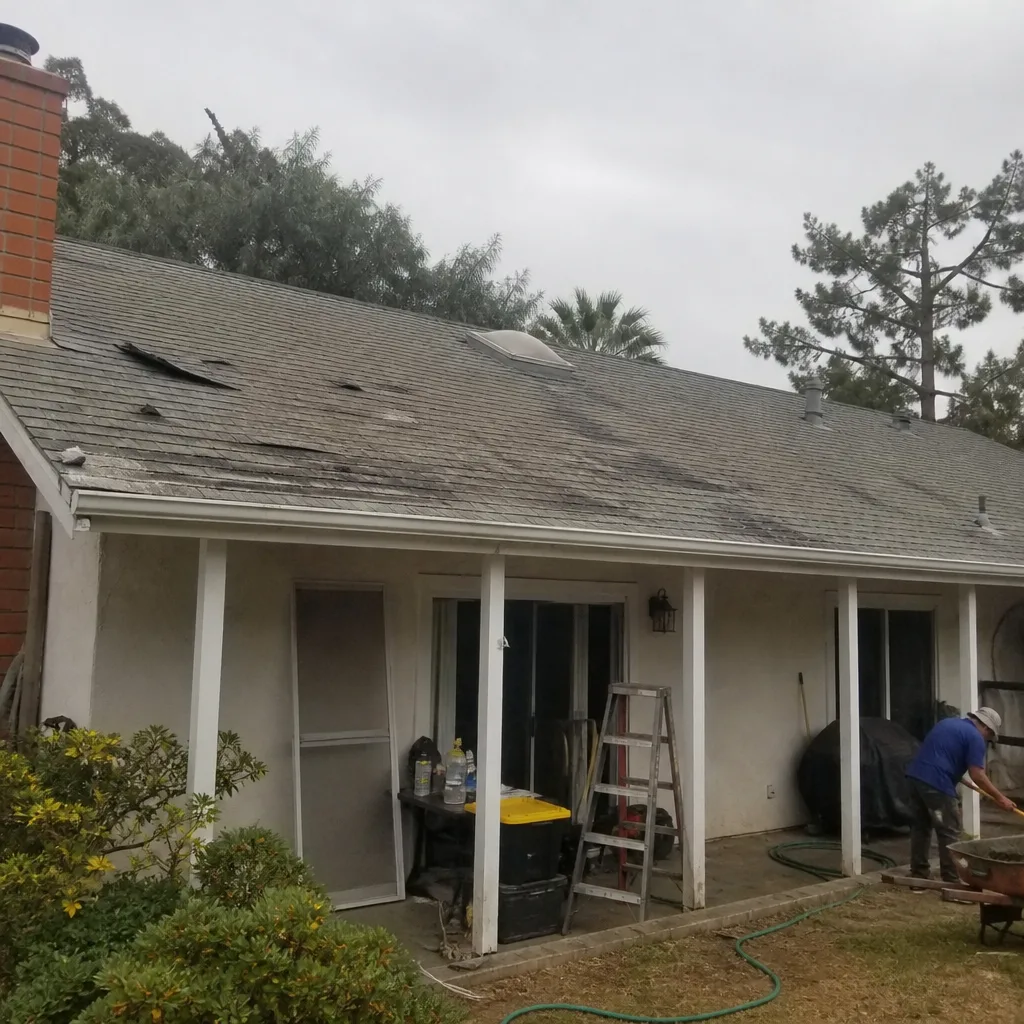 Before
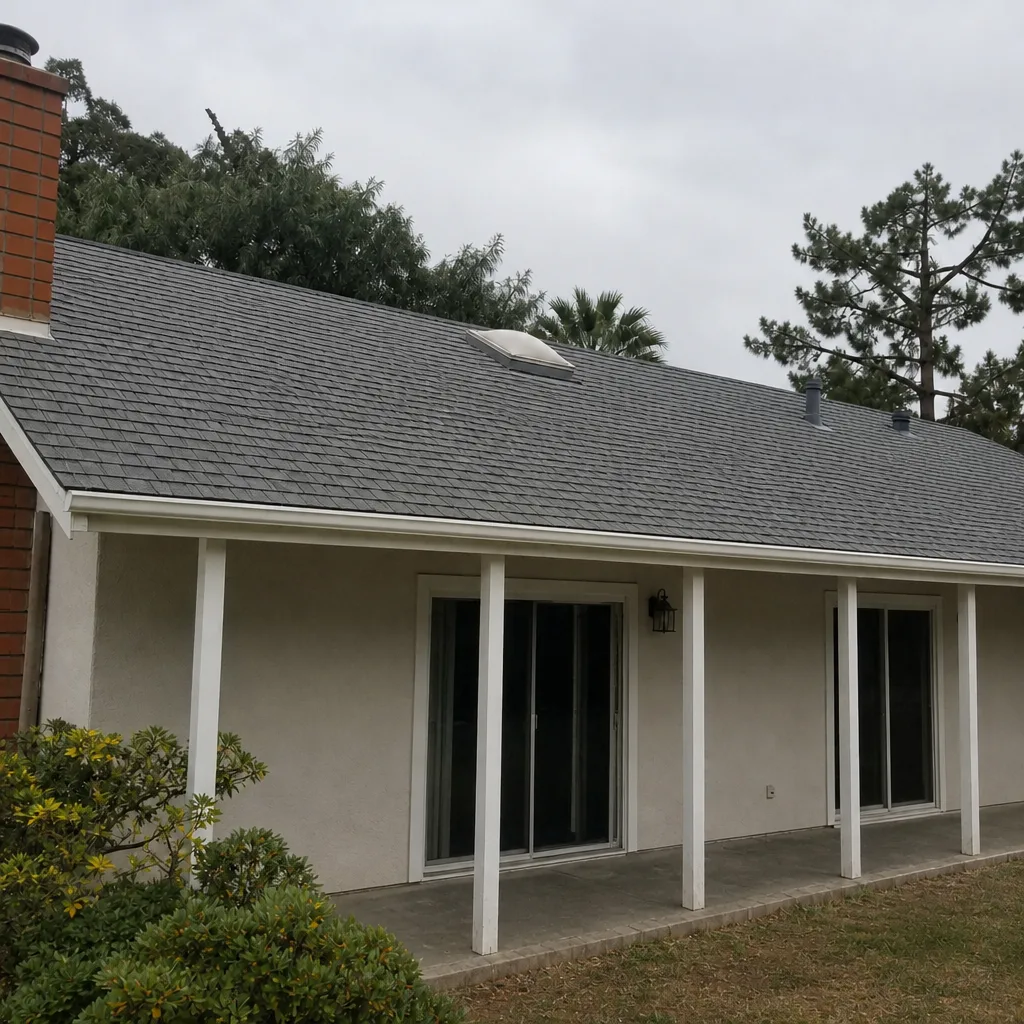 After
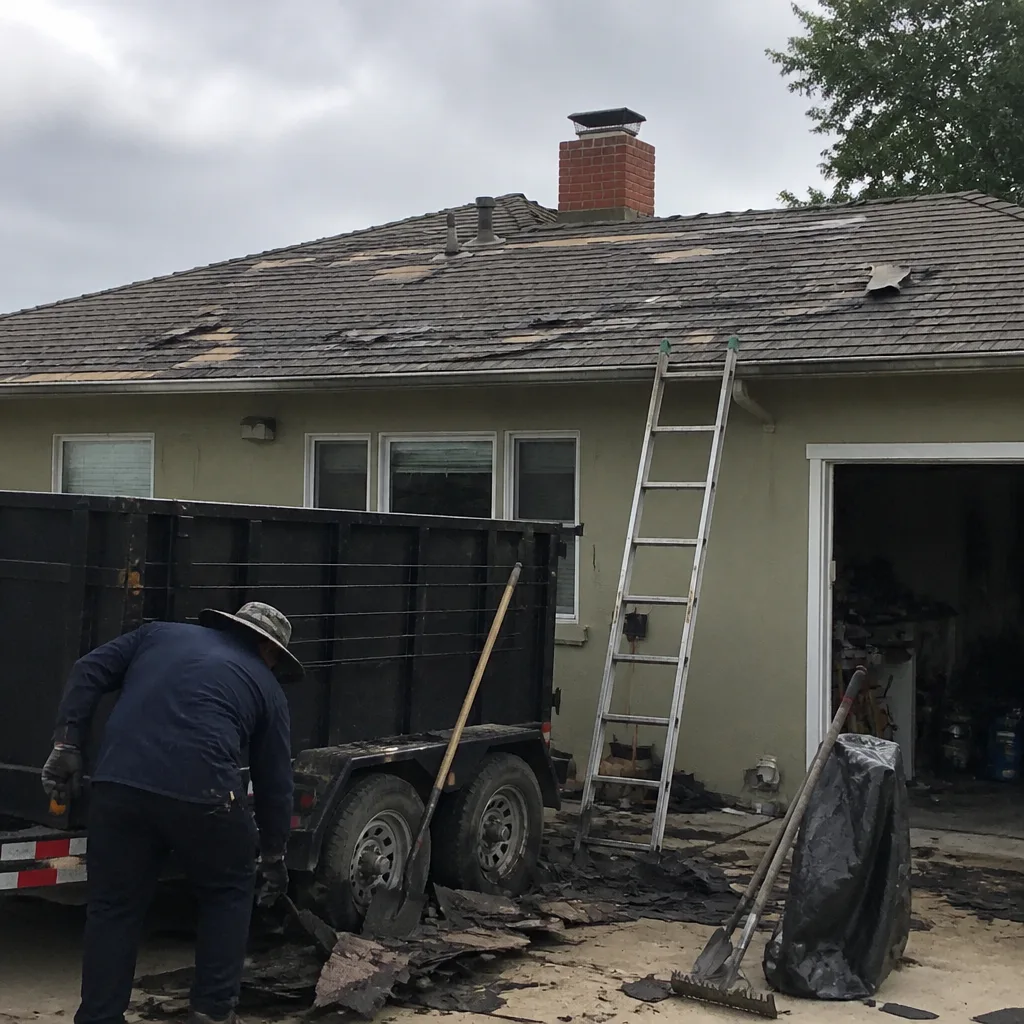 Before
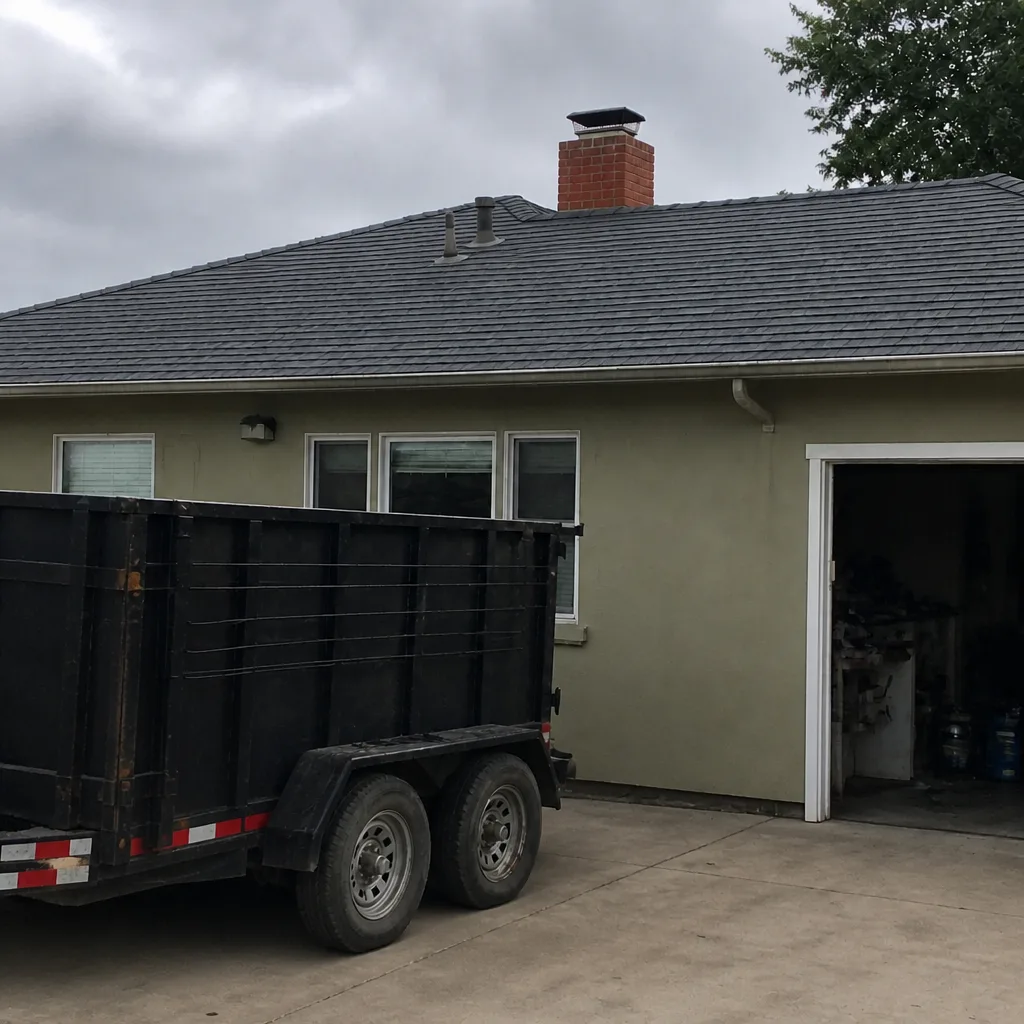 After
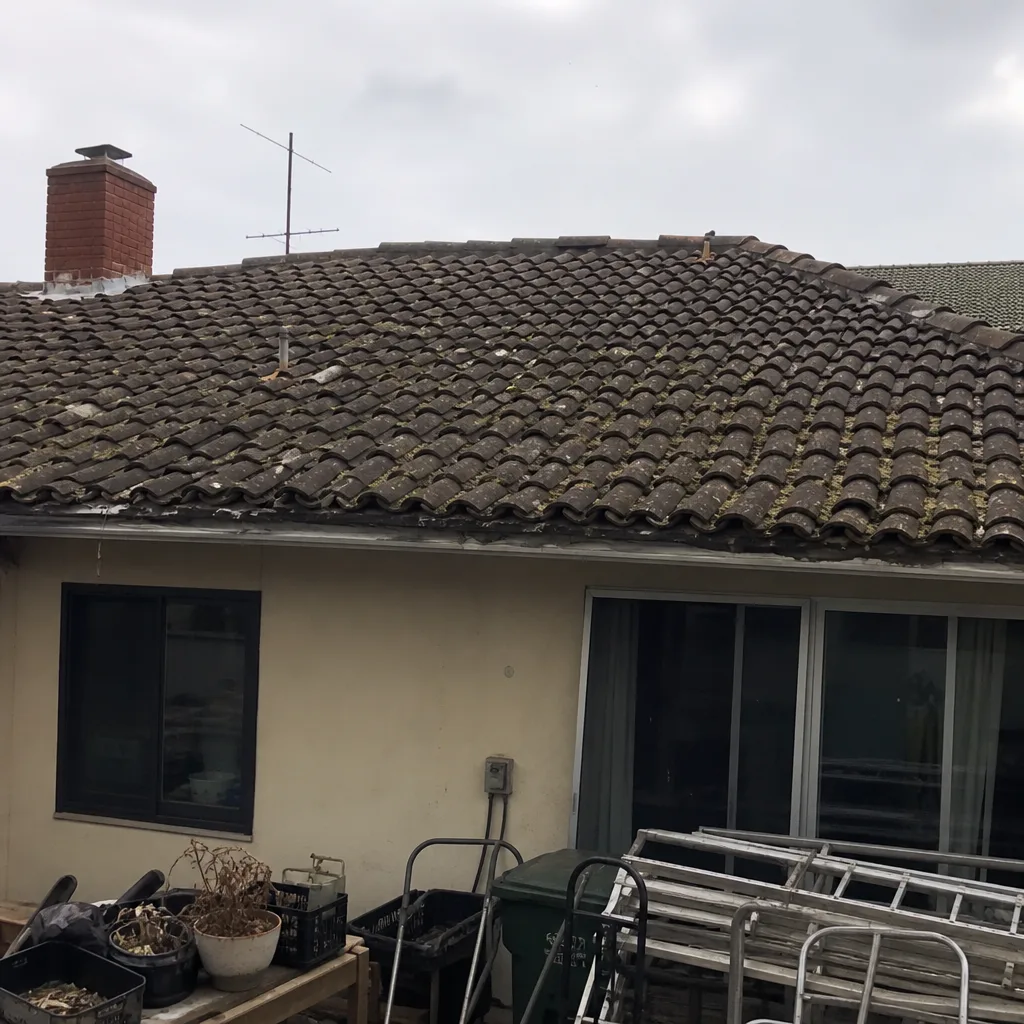 Before
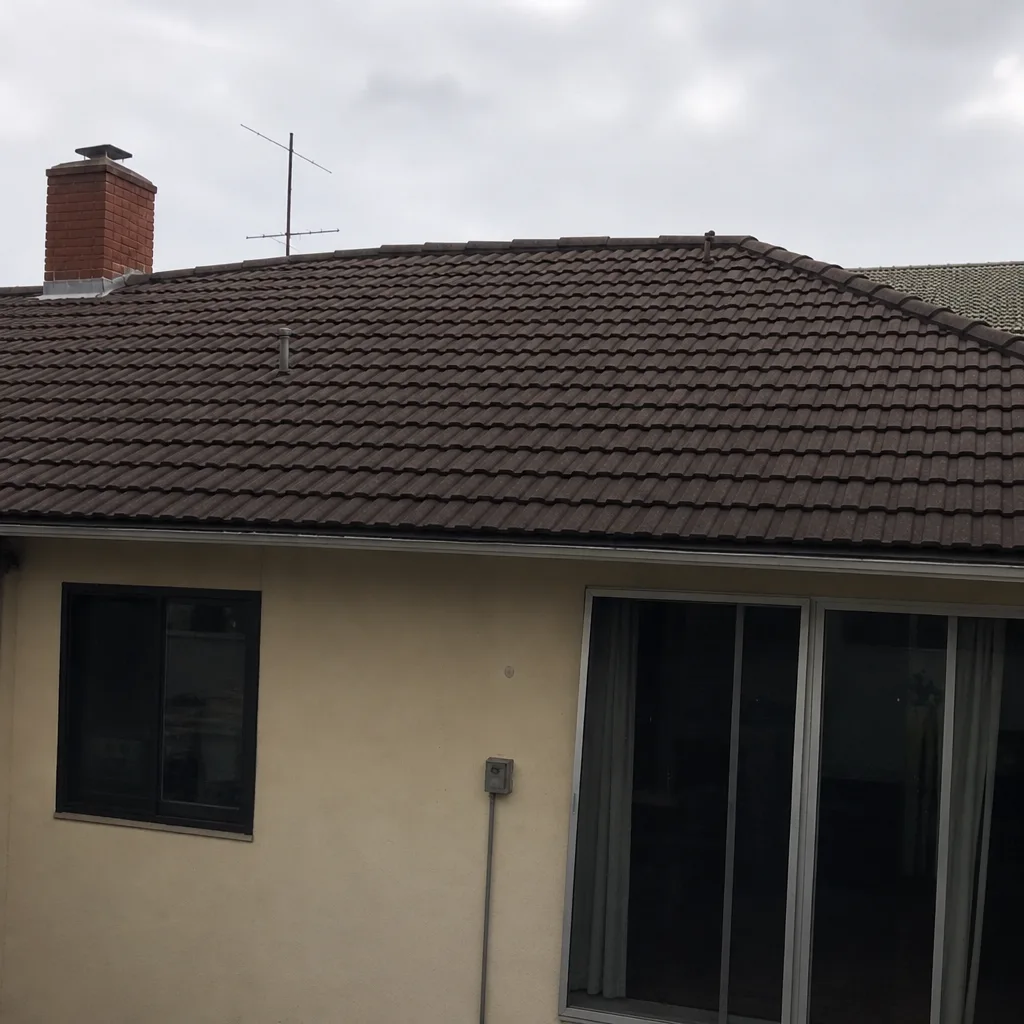 After